
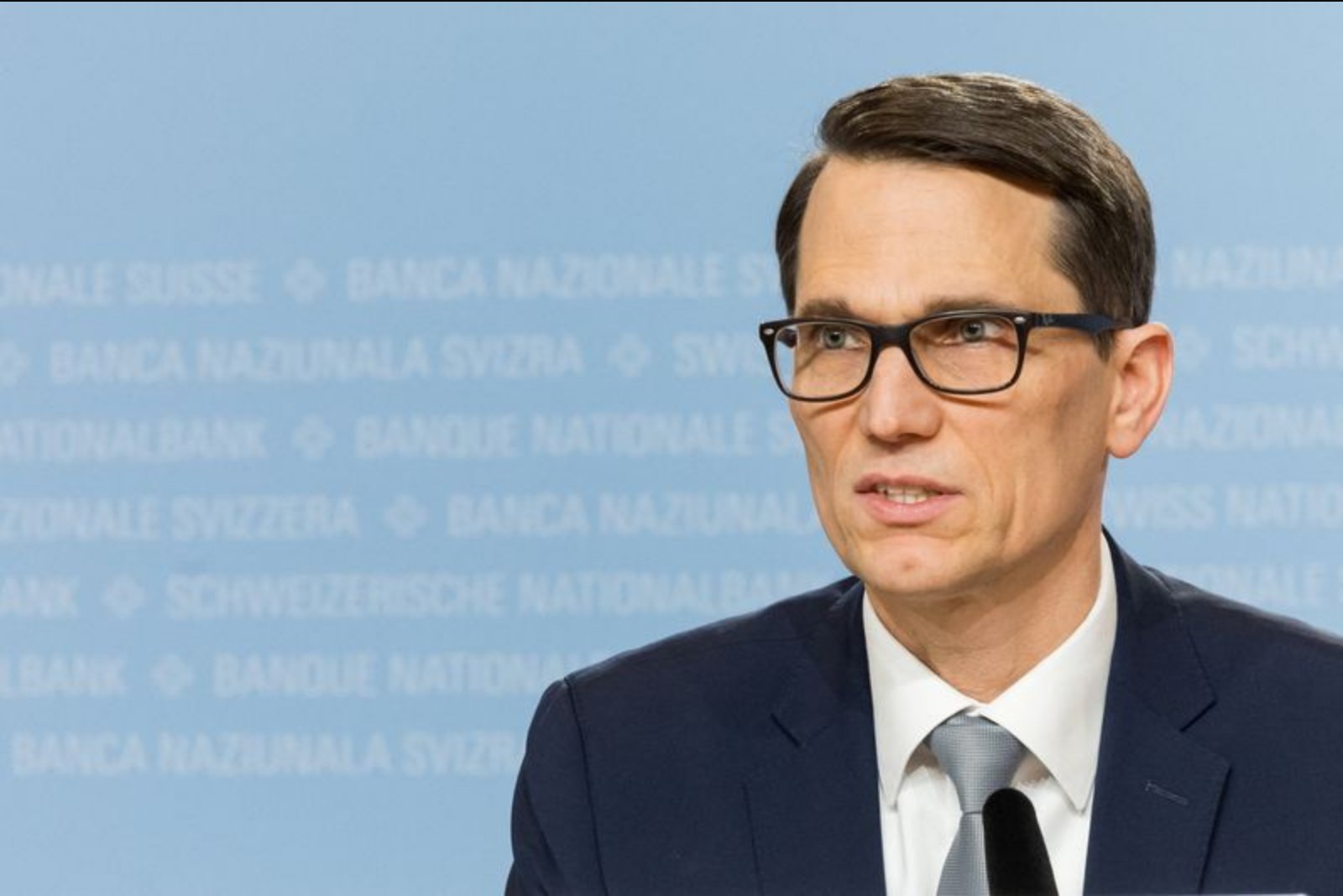
BERN - The conflict in the Middle East has increased uncertainty around the global economic outlook and is expected to weigh on Switzerland's near-term growth while lifting inflation, Swiss National Bank (SNB) Chairman Martin Schlegel said on Friday at the central bank's annual general meeting.
Schlegel described the international situation as "very uncertain" and said the prospects for inflation and economic activity in Switzerland have become much less clear as a result. He warned that growth could be "rather subdued in the short term," although the SNB still anticipates some pickup over the medium term.
"In the coming quarters, higher energy prices will lift inflation further in Switzerland," Schlegel added in Bern, linking the conflict-driven energy-price impulse directly to domestic inflationary pressure.
Recent Swiss inflation readings, he noted, have tended toward the lower bound of the SNB's 0-2% definition of price stability. At the same time, the Swiss franc has experienced upward pressure as investors seek safe-haven assets, a development that can counteract inflationary forces by making imported goods cheaper.
The SNB has maintained its policy rate at 0%, the lowest level among major central banks. Schlegel reiterated the bank's willingness to act in foreign exchange markets, saying the SNB has increased its readiness to intervene to prevent an overly rapid or excessive appreciation of the franc.
Economists at UBS estimate that the SNB stepped up foreign currency purchases to 2.5 billion francs in March, a marked rise from recent months, though these purchases remain modest compared with the scale of interventions carried out during the Covid pandemic in 2020.
Emphasizing the central bank's capacity to respond, Schlegel said the SNB would not hesitate to take measures to keep inflation on target. "We have unrestricted room for manoeuvre with regard to the SNB policy rate and foreign exchange market interventions," he said, restating the bank's increased willingness to buy foreign currencies to ease pressure on the franc.
The remarks underscored two interacting dynamics: a near-term inflationary impulse driven by higher energy costs and offsetting deflationary pressure from a stronger franc. They also highlighted the SNB's reliance on both conventional interest-rate policy and active foreign exchange-market management to pursue price stability amid heightened geopolitical risk.
Given these developments, market participants and policymakers will be watching energy-price movements and currency flows closely as they assess the path of Swiss inflation and growth in the coming quarters.