
Summary
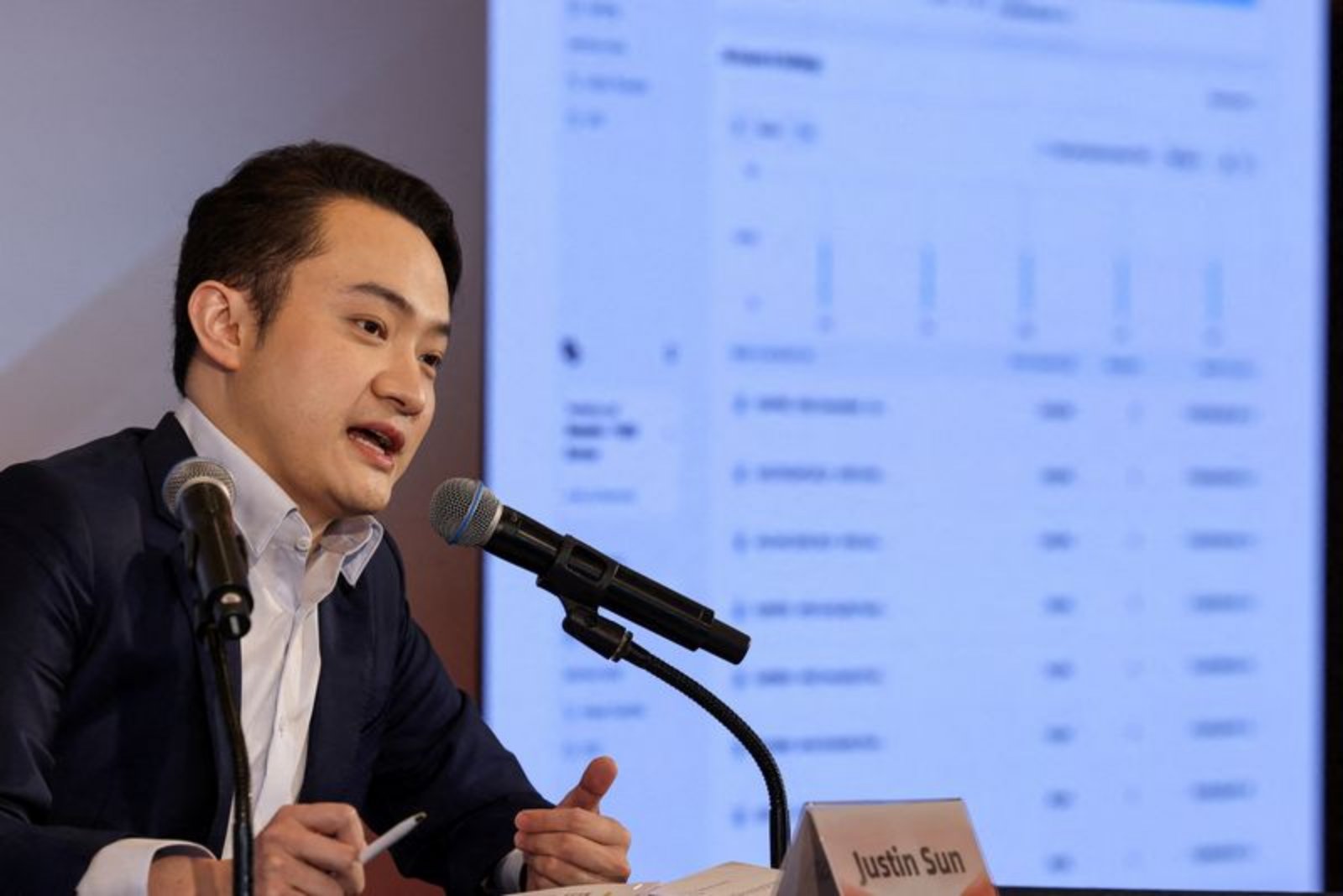
Justin Sun, a major investor in World Liberty Financial, filed suit in federal court in California seeking court orders to unfreeze his tokens, restore his governance rights and prevent the firm from seizing, burning or otherwise restricting his crypto holdings. The complaint alleges World Liberty altered smart contract code to retain centralised powers, froze Sun's tokens ahead of a governance vote he opposed, and has acted in ways that suggest the firm may lack sufficient liquidity to meet redemptions for its dollar-pegged stablecoin USD1.
Details of the complaint
In the lawsuit, Sun contends World Liberty Financial is "on the brink of collapse" and that it wrongfully froze all of his WLFI tokens without legitimate justification. He says that freezing his tokens deprived him of voting rights on governance proposals and that the venture has threatened to permanently eliminate the tokens by "burning" them, a destruction process that would remove his ownership stake.
Sun further alleges World Liberty represented itself as a decentralised finance project where transactions occur through blockchain-based smart contracts without centralised control. According to the complaint, the firm secretly reserved centralized authority by modifying the smart contract to permit blacklisting of wallets, freezing tokens and reallocating tokens without a governance vote.
The suit accuses World Liberty of attempting to pressure Sun to mint and promote its dollar-pegged stablecoin USD1 on his TRON blockchain network, and retaliating against him when he declined. It also alleges World Liberty borrowed against its own token, drained USD1 liquidity pools and thus left the project with insufficient readily available reserves to support immediate redemptions.
Token freeze and governance vote
Sun says the dispute escalated after World Liberty proposed a governance change that would indefinitely lock the tokens of holders who did not affirmatively accept its new terms, including a clause to permanently burn 10% of all adviser tokens. Sun states he "strongly opposes" the proposal but was unable to vote on it because World Liberty froze his early investor tokens.
According to the lawsuit, Sun became the largest publicly known investor in the company in late 2024, spending millions to acquire WLFI and being named an adviser to the venture. The complaint provides specific investment figures: Sun invested a total of $45 million in World Liberty, purchasing two billion WLFI tokens for $30 million and a further one billion tokens for $15 million in January 2025.
Regulatory and public context cited in the filing
The court filing also notes that in March Sun reached a $10-million settlement with the U.S. Securities and Exchange Commission to resolve a civil fraud case regarding his trading activity. The lawsuit references the SEC's 2023 complaint, which alleged that Sun and his companies - Tron Foundation, BitTorrent Foundation and Rainberry - schemed to distribute the crypto assets tronix and bittorrent improperly, artificially inflate trading volume and conceal payments to celebrity endorsers.
World Liberty Financial declined to comment on the matter.
What the suit seeks
Sun and his affiliated companies have asked the federal court to order World Liberty to unfreeze his tokens, restore his governance rights, and enjoin the firm from burning, seizing or otherwise restricting his holdings. The complaint frames these remedies as necessary to prevent permanent loss of ownership and to preserve Sun's ability to participate in governance decisions.
Implications highlighted in the complaint
- The complaint highlights alleged centralisation of control within a project marketed as decentralised finance.
- It raises concerns about the stability and liquidity of the USD1 stablecoin after alleged borrowing and depletion of liquidity pools.
- The filing documents the sequence of actions that blocked Sun from voting on a proposal he opposed, including the freeze of his early investor tokens and the governance proposal to burn adviser tokens.
The lawsuit represents the latest escalation in a dispute between a prominent crypto investor and a high-profile venture, with court action now sought to resolve competing claims over token rights, governance and the financial integrity of a dollar-pegged stablecoin.