
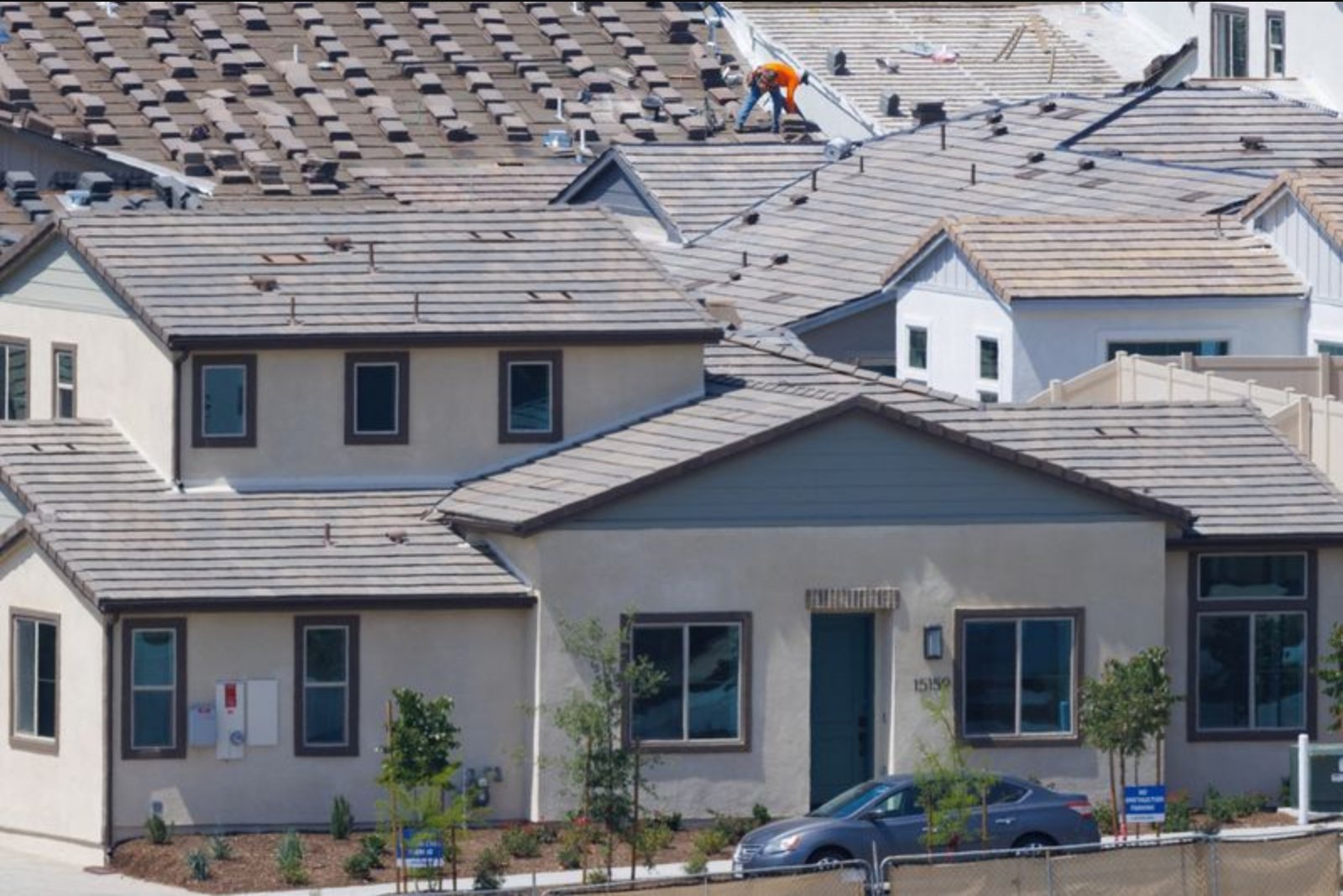
U.S. homebuilders are bracing for continued headwinds as higher input costs tied to new tariffs and the war with Iran compound the effects of elevated inflation and weak buyer demand, analysts said. The industry has seen sales drift lower over several quarters, a trend driven in part by years of underproduction amid labor shortages and restrictive land zoning that pushed home prices upward.
Analysts pointed to fresh pressures this year from tariffs and the Middle East conflict, which have intensified an already challenging cost environment. Residential construction input prices remain high after spiking during the post-pandemic inflation surge. Barclays analysts warned that "eventual inflation in development costs - pipe, freight, and infrastructure facing new inflationary dynamics - will be difficult for builders to pass on, leading to further margin challenges and/or more reduction in starts."
Executives at major builders have acknowledged the strain. Lennar Chief Executive Stuart Miller said tariffs and immigration issues are contributing to higher material and labor expenses. "With affordability at stake, we have been working hard to push against and to manage these pressures through our trade partner relationships," Miller said on a recent earnings call. "Nevertheless, the cost structure in the industry is pushing higher and is difficult to manage."
KB Home's CEO Robert McGibney also highlighted cost pressures, singling out "some pressure on material costs from lumber." Those input-cost increases come as builders attempt to preserve sales volumes by leaning on incentives such as mortgage rate buydowns, a tactic analysts expect will persist.
Mortgage affordability has been volatile. A short-lived drop in the 30-year fixed rate below 6% in late February, driven by cooler inflation readings and falling Treasury yields, proved temporary. Rates moved back up to around 6.5% by early April, squeezing buyers' purchasing power.
The conflict with Iran has added a new layer of uncertainty. The U.S.-Israel war with Iran, which broke out on February 28, pushed oil prices and yields higher, feeding through to construction costs. "With oil prices being higher, certainly, that can bleed into land development and vertical construction," McGibney said, noting the reliance on petroleum-derived products in many materials used to build homes.
Analysts tracking the sector say the timing is particularly problematic because buyer activity typically peaks in spring. "Geopolitical tensions, higher rates, and broader economic uncertainty are weighing on consumers in a vital period of the spring selling season," Barclays analyst Matthew Bouley said. Wells Fargo's Sam Reid echoed the concern, noting housing stocks have lagged the S&P 500 by 12 points since the start of the war.
Evercore ISI analyst Stephen Kim described this year's spring selling as "disappointing" so far, with demand trends worse compared to the same period in 2024 and 2025. Early spring sales at both Lennar and KB Home came in below expectations, reinforcing worries about momentum heading into the rest of the year.
Given the confluence of cost pressures and weaker demand, some analysts expect companies to cut guidance again. "It is likely that builders begin another cycle of guidance reductions," Bouley said. "Even if delivery guidances hold, we think there is (an) increasing risk of negative revisions later in the year."
The sector's calendar this week includes results from several large builders, which investors will use to assess the near-term outlook. DR Horton reports results on Tuesday, followed by PulteGroup on Thursday, and NVR is also due this week. These reports will offer fresh data points on how builders are managing costs, incentives and sales trends amid the challenging backdrop.
Context and market implications
Homebuilders face a three-fold squeeze: higher development and material costs that are difficult to transfer to buyers, mortgage rate volatility that undermines affordability, and softer spring demand amplified by geopolitical risk. The combination has eroded sector performance versus broader equity benchmarks and raises the risk of lower starts and tighter margins for construction and related industries.