
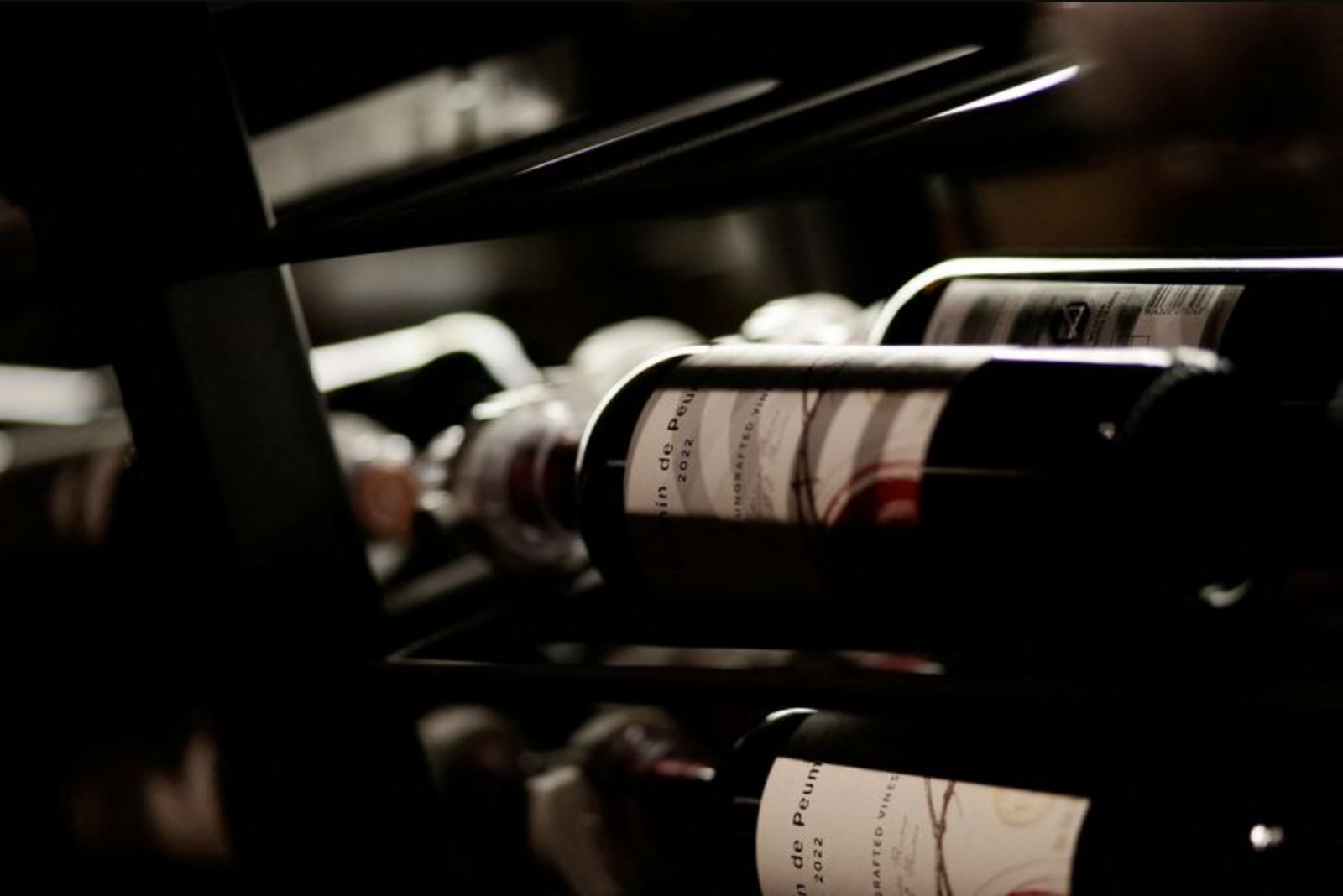
In Chile's Maule Valley, where this year’s grape harvest paints the countryside in rows of vine-laden hills, producers face a harder truth beneath the scenic images: demand for wine is falling. Growers and industry promoters say the downturn in consumption is widespread and persistent in several key markets, prompting a reorientation of how Chilean wine is presented to consumers.
"We are probably living through the worst crisis in the wine world in 100 years," said 25-year-old sommelier Felipe Rivera, describing what he sees as a serious lack of generational replacement among wine drinkers. Rivera noted that, broadly speaking, his peers do not drink wine, and that presents a major challenge for the industry.
Representatives of Wines of Chile say the decline is not limited to Chile: Julio Alonso of the promotional group pointed to a "sustained decline" in important export markets, including China, the United Kingdom and the United States. Some of that drop reflects changing consumption patterns among younger cohorts.
Research cited by industry sources shows a marked fall in alcohol consumption among young adults in the U.S.: a 2025 Gallup poll found that 50% of young adults reported drinking alcohol, down from 59% in 2023 and below the 54% rate for the general population. The industry interprets that trend as part of the broader generational pullback affecting wine sales.
To bridge the gap, wineries in the Maule Valley are shifting away from traditional tasting-room visits toward participatory, on-site experiences. Winegrower Jose Luis Gomez Bastias, for example, invites guests to take part in pruning and grape-crushing during the harvest, offering hands-on work that highlights his estate's ecological methods. "Young people are very interested in wineries that farm this way," Bastias said, asserting that such practices point to the future of the sector.
Promotion efforts combine this field-based engagement with online outreach. Sommelier Ricardo Grellet, who founded the "Yo Tomo Vino" campaign, argues that the sector's recovery depends on focusing on quality and traceability rather than volume. He says consumers increasingly prioritize wellness and certified products, and that wines lacking authenticity or sophistication are likely to be left behind. His campaign urges people to savor a glass and "switch off their phone and be people again."
The campaign appears to be reaching some younger Chileans. Social media creator Silvia Lobos, 24, said she feels wine is part of Chilean identity and acknowledged that her generation has limited experience with it. "This is a world that, as a generation, we really do not know much about," Lobos said, adding that discovering wine can reconnect young people with cultural roots.
Conclusion - Chile's wine industry is responding to a multidimensional demand challenge by enhancing experiential tourism, emphasizing sustainable viticulture and using social campaigns to engage younger consumers. Producers and promoters are betting that a focus on hands-on experiences and certified, high-quality products can help reverse declining consumption in key export markets.