
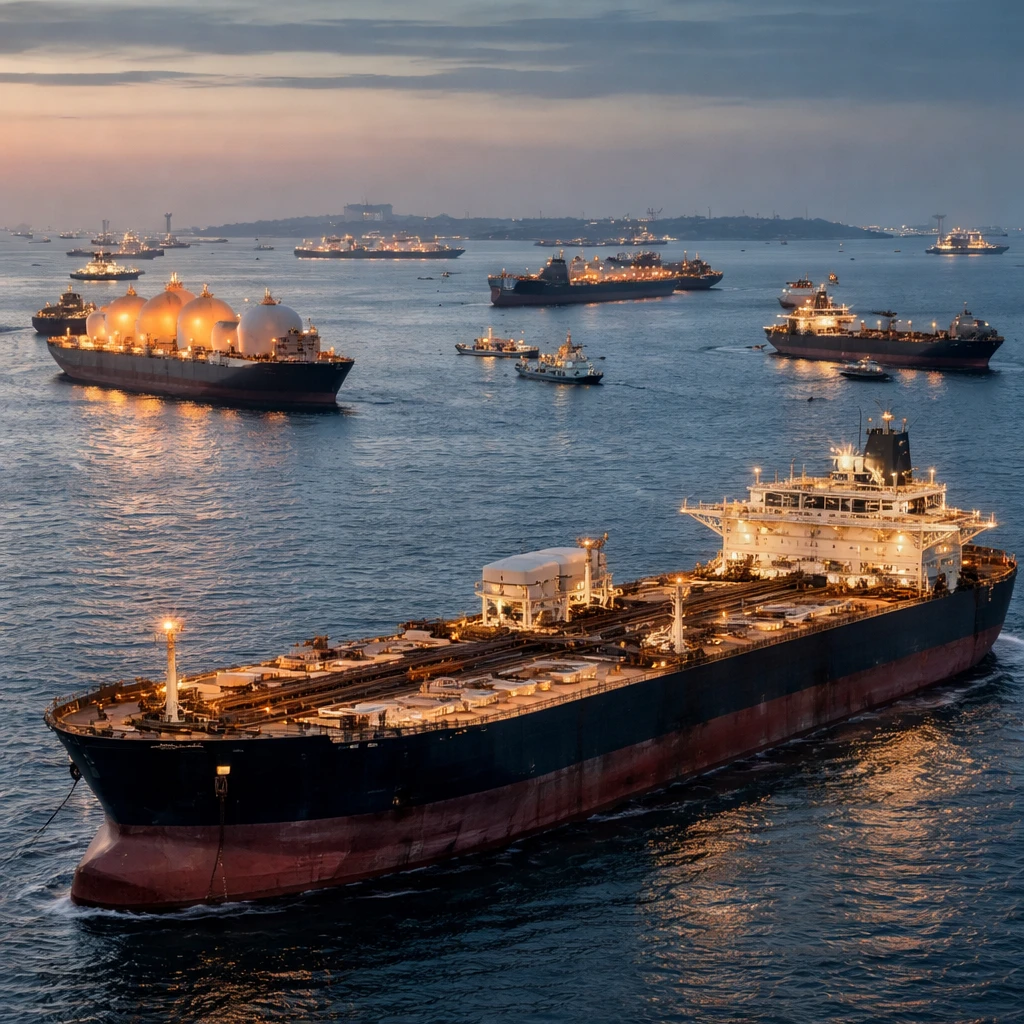
Shell Plc's chief executive, Wael Sawan, warned that shortages of oil and liquefied natural gas (LNG) stemming from the blockade of the Strait of Hormuz could last for an extended period - possibly stretching through the coming months and into next year.
In an interview with Bloomberg TV, Sawan said the disruption had a material impact on production volumes and inventories. "We are talking about roughly 900 million barrels that haven't been produced in the last couple of months and that's been replaced essentially by stock drawdown," he said. "We're now starting to reach some relatively low levels. We're talking about demand curtailment in certain areas. We're talking about fuel switching."
Sawan emphasized that the consequences are not limited to crude oil but extend to LNG markets as well, signaling a broader tightening across fossil fuel supply chains.
Corporate response and capacity planning
This week Shell agreed to buy Canadian shale producer ARC Resources Ltd. for $13.6 billion, a transaction the company said is its largest in over a decade. Shell said the acquisition will underpin production growth through 2030 and help supply its LNG Canada facility, which exports natural gas to Asia.
Sawan noted the company had been assessing ARC for two years prior to the war with Iran, framing the deal as part of a longer strategic plan that now also addresses more immediate supply disruptions. He cautioned that supply-demand balances are "going to be tight for at least the coming months, if not the next year-plus, given recent disruptions."
Regional choke points and market pressure
The CEO highlighted a geographic dimension to the disruption: about 20% of global oil and natural gas flows cannot transit the Persian Gulf, a situation that has led countries including Iraq, Kuwait and Qatar to halt production. With that capacity unavailable, buyers - particularly in Asia - are competing for alternative supplies and bidding up prices.
The comments outline a near-term picture of constrained supply, falling inventories and shifting demand patterns that are already influencing pricing dynamics and trade flows for both oil and LNG.