
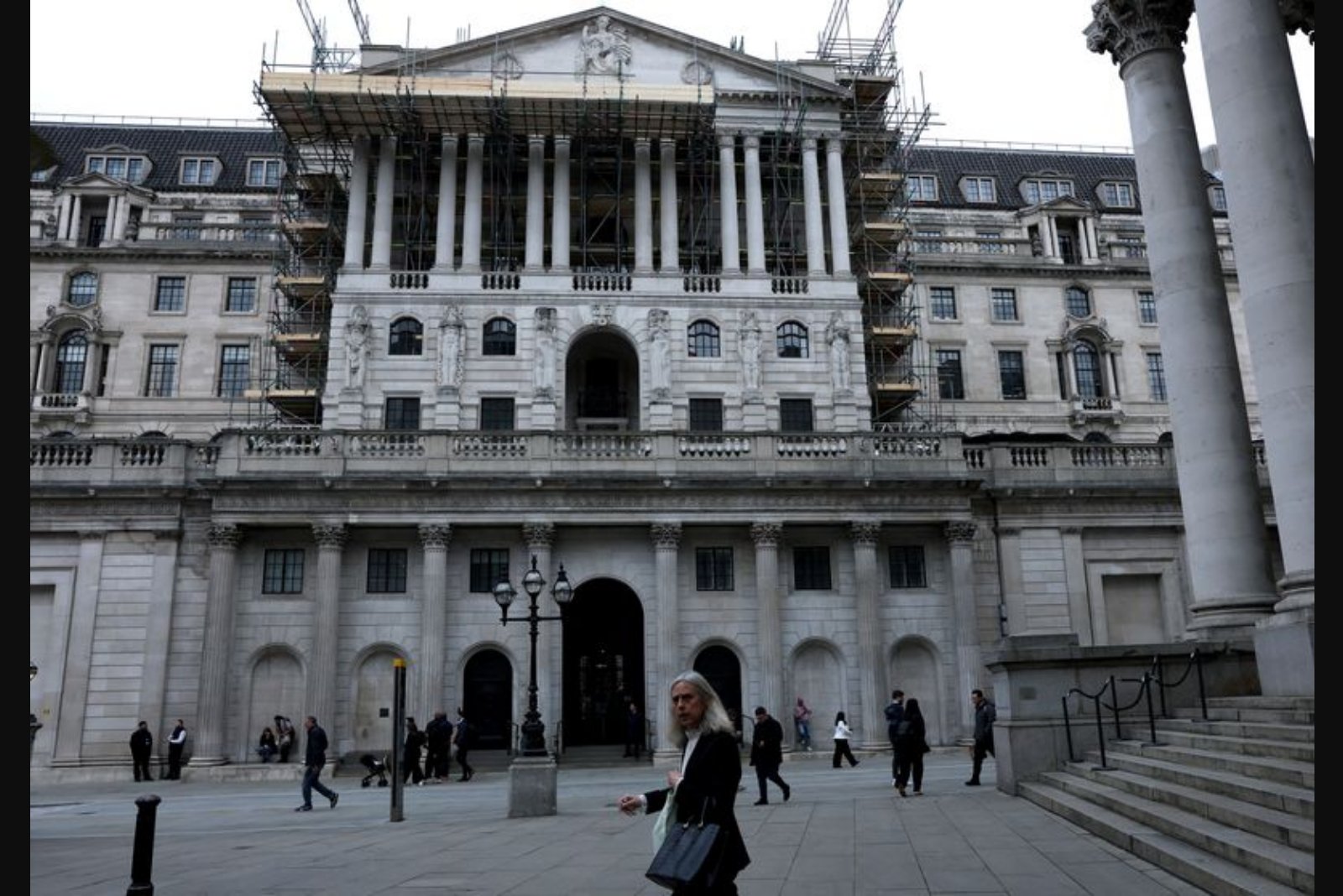
April 16 - The Bank of England is carrying out scenario analysis and simulations to assess risks that artificial intelligence may pose to the financial system, the central bank told lawmakers in a letter published this week.
In her correspondence with the Treasury Committee, BoE Deputy Governor for Financial Stability Sarah Breeden said the bank is analysing how investment in, and the uptake of, AI tools are altering the configuration and functioning of markets and financial intermediaries. Breeden also described ongoing collaboration with international peers to examine the ways in which AI agents could influence trading dynamics.
Breeden said testing will include attention to potential "herding" behaviour - patterns of correlated activity that could amplify selloffs in periods of market stress. The bank is using simulations to consider how such dynamics might play out should AI-driven decision processes become widespread across market participants.
Concerns about AI's implications for financial stability sharpened after the debut of Anthropic's Mythos product. Commentators highlighted the tool's advanced coding capabilities, noting they could reveal new avenues to locate cybersecurity weaknesses and, potentially, exploit them. Bank of England Governor Andrew Bailey warned that Anthropic "may have found a way to crack the whole cyber risk world open."
The Treasury Committee has been critical of the government's pace in applying regulatory powers designed to shield the financial system. Committee chair Meg Hillier said she was "perplexed at the apparent inertia shown by the Treasury," arguing that the authorities' powers under the Critical Third Parties (CTP) Regime were not being deployed quickly enough to reduce vulnerability.
The committee's criticism centres on the failure of the finance ministry to commit to designating major AI and cloud service providers under the CTP Regime before the end of 2026. Those designations would extend regulatory oversight to external firms that supply critical infrastructure to financial institutions.
Treasury minister Lucy Rigby told the committee the government expects to make initial CTP designation decisions within the current year, but she declined to name which companies are being considered, citing the need to protect the integrity of the designation process.
Separately, the Bank of England's Financial Policy Committee said on April 1 that, to date, firms have not deployed advanced AI - including agentic tools - in ways that have yet created systemic risk. However, the committee warned this could change quickly as the financial sector increases its adoption of such technologies.
The BoE disputed an assessment by parliament's Treasury Committee that the bank was simply taking a "wait-and-see" approach. In the letter, the central bank said it is already running analytical workstreams to map how AI investment and adoption are reshaping the financial system and to test possible stress scenarios.
Lawmakers and regulators face a narrow window in which to understand the interplay between AI-driven capabilities, market structure and cyber resilience, the correspondence implies. The Bank of England is prioritising efforts to identify where AI might concentrate risk or change the speed and symmetry of responses in stressed markets.
Promotional note included in the original correspondence: The article also contained material describing an investment research product that combines institutional data with AI-powered analysis to help investors identify opportunities in 2026. That material frames better data and AI insights as tools that can improve decision-making but does not guarantee investment outcomes.