
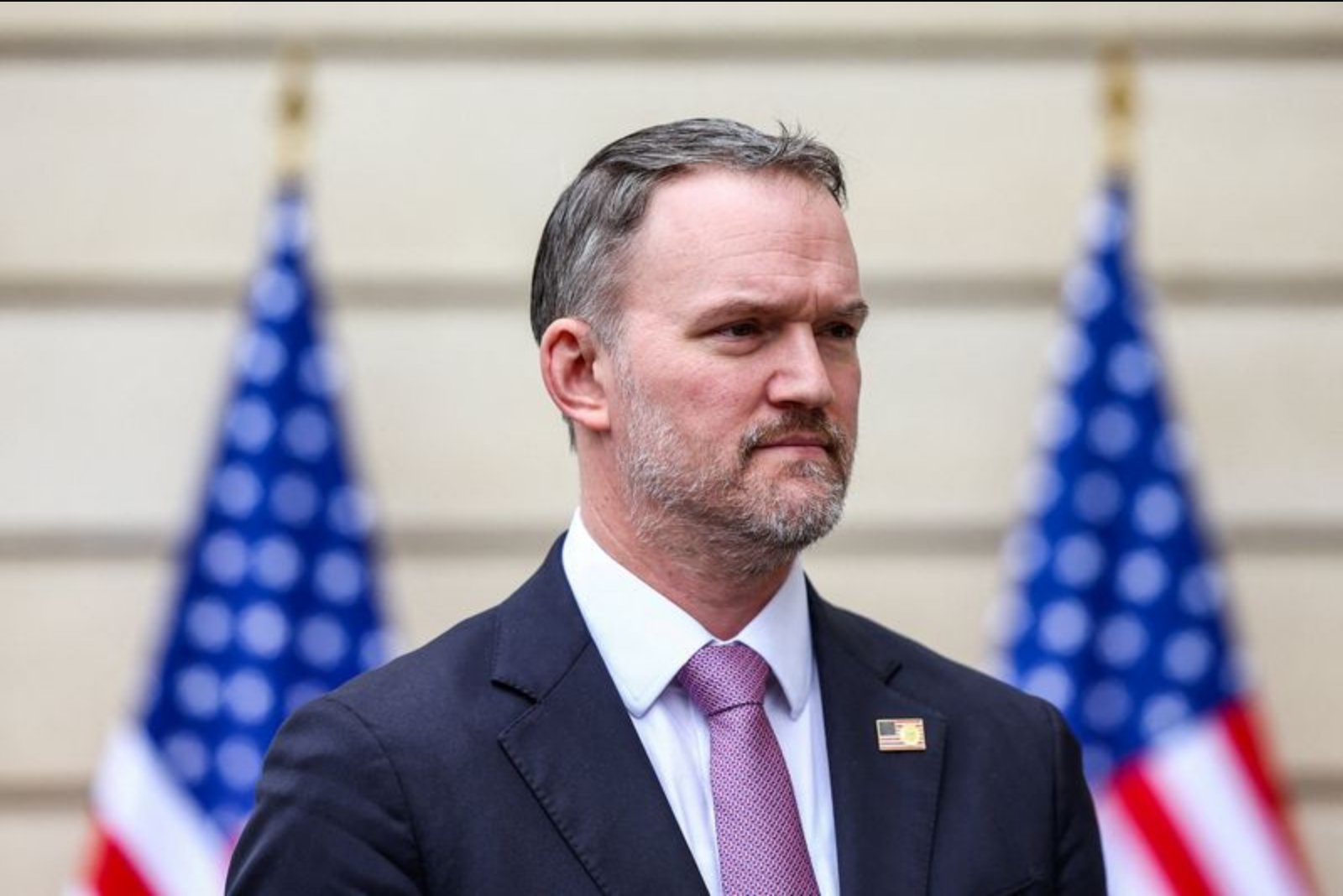
WASHINGTON, April 16 - U.S. firms are continuing to relocate production to Mexico even after the implementation of the regional trade pact intended to limit such shifts, U.S. Trade Representative Jamieson Greer told a congressional budget hearing on Thursday.
Greer said the product rules of origin that underpin the United States-Mexico-Canada Agreement will be the focal point in upcoming discussions in Mexico. "There is continued offshoring to Mexico. I am going to Mexico next week and I am going to speak with my counterpart, and I have already told him and we’ve already had conversations about changing the rules of origin," he said.
During his testimony Greer described how some exporters use transshipment through Mexico to sidestep higher U.S. tariffs. "This is how we avoid the transshipment through Mexico, and it’s how we make it tougher," he said, referring to the practice of diverting goods through a country with lower tariff exposure on its U.S. exports to avoid higher duties.
Qualifying goods from Mexico enter the United States on a duty-free basis under the USMCA, the trade deal negotiated and concluded during President Donald Trump’s first term. Greer said the USMCA is currently under review and that he will meet Mexico’s Economy Minister Marcelo Ebrard in the second round of talks next week.
Greer also emphasized the role of general tariff levels outside the USMCA in shaping incentives for compliance with stricter rules of origin. "I will say it’s also important for us to have a tariff level that incentivizes compliance with those tougher rules," he said. "Because if our outside tariff level is low, people will just say I don’t care about the rules, I’ll just bring something in from Vietnam. That’s why I am trying to have higher tariffs on the rest of the world, so that I can actually incentivize manufacturing in the U.S."
The representative framed adjustments to rules of origin and the calibration of outside tariff levels as complementary tools to reduce transshipment and to encourage production that meets USMCA-origin criteria.
Summary: U.S. businesses continue to offshore to Mexico despite the USMCA. Greer will press Mexico on changing product rules of origin in talks next week and seeks higher outside tariffs to strengthen incentives for compliance.