
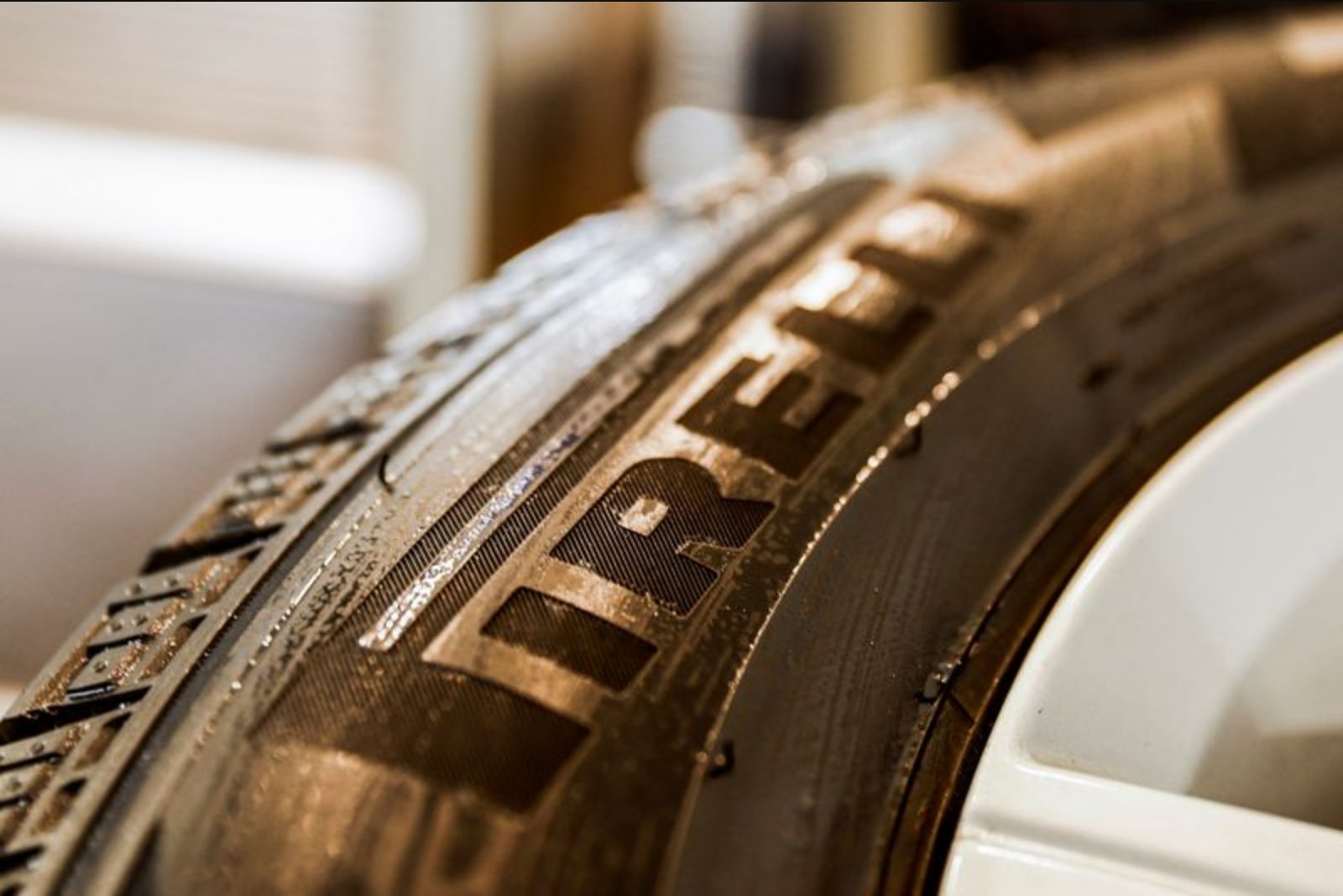
MILAN, April 16 - Pirelli, the Italian premium tyre manufacturer, said on Thursday it has put in place a mitigation plan to blunt the financial effects of the ongoing Middle East crisis. The package of measures includes price increases and additional cost-reduction steps, the company said as it presented its final full-year 2025 results.
Company officials said the combination of these actions and an expectation that input costs and raw material volatility will progressively normalise in the second half of the year allows Pirelli to maintain the forecasts it set out for the current year. However, management signalled that adjusted operating income (EBIT) is expected to land at the lower end of the guidance range.
Guidance and margins
In February, Pirelli issued full-year guidance that included an adjusted EBIT margin of around 16%, a modest improvement compared with 2025. On Thursday the company did not disclose specifics about the price increases it is implementing, leaving the detailed timing and magnitude of those actions to be clarified by management at a later date.
Analysts at Bank of America, who attended a pre-close call with Pirelli’s investor relations team on Wednesday, reported in a note earlier on Thursday that the tyre maker’s price measures should have full effect from May.
Expected offsets and estimated impact
Bank of America said it understands that the mix of price increases and further cost savings is expected to partially counterbalance raw material cost inflation stemming from the Middle East situation. The bank cited Pirelli’s current estimate of the net impact of that raw material pressure at roughly 20 million euros on 2026 results.
Using those assumptions, Bank of America calculated that a 2026 adjusted EBIT at the lower end of Pirelli’s guidance would be about 1.07 billion euros. The company and analysts continue to monitor input-cost trends and the pace of normalisation in commodity volatility. ($1 = 0.8494 euros)