
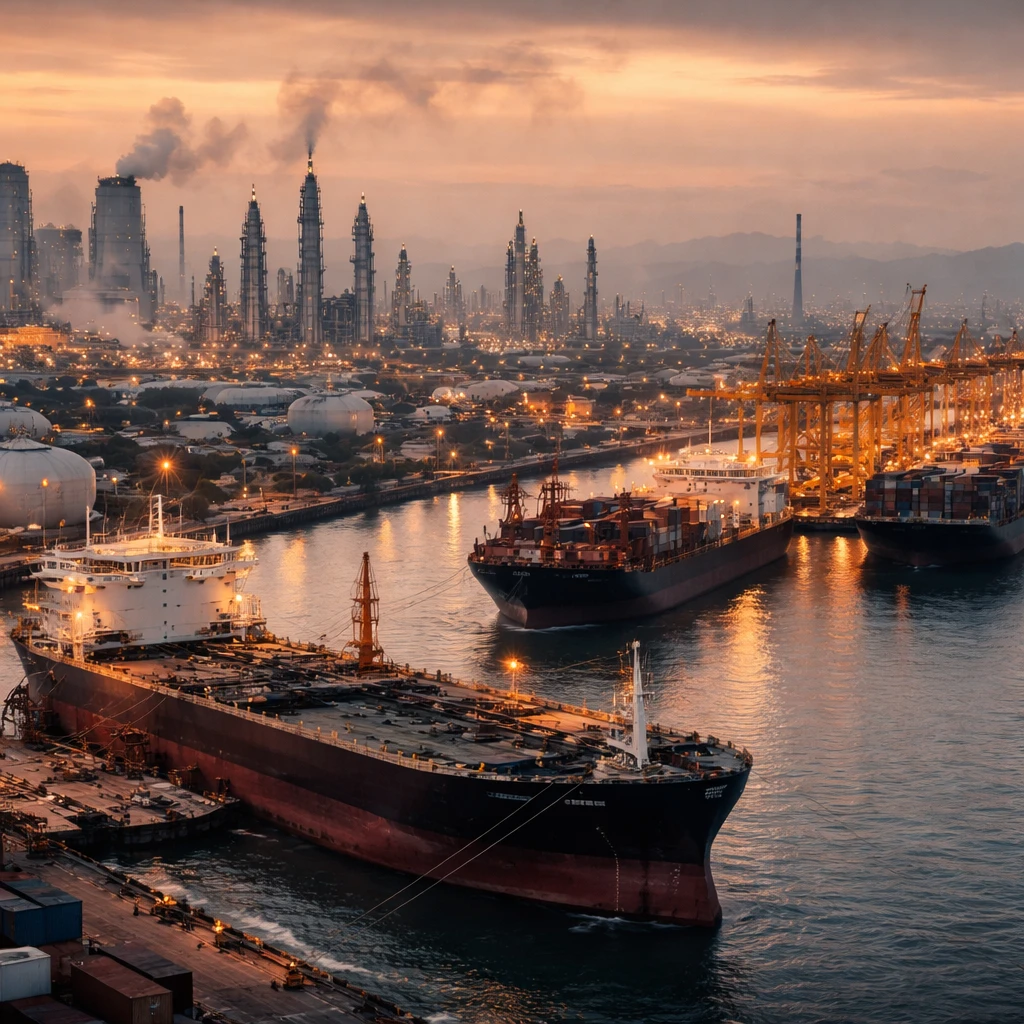
The International Monetary Fund has cautioned that Asia's exposure to energy disruption from the Middle East is larger than that of other regions, reflecting the region's significant reliance on oil and gas supplies from that part of the world. Krishna Srinivasan, director of the IMF's Asia-Pacific department, said the potential for a prolonged conflict to trigger shortages would deal a sharp blow to growth.
Srinivasan noted that Asia entered 2026 with several favourable forces supporting activity. Those included lower-than-expected U.S. tariffs, a strong technology cycle that helped exports, and loose financial conditions. Together, these tailwinds have partly offset the headwinds created by the energy shock tied to the Middle East conflict, resulting in the IMF leaving its Asian growth projections broadly unchanged from January.
Despite those supportive factors, the IMF highlighted structural reasons the region remains particularly vulnerable. Asia's economy is relatively energy-intensive and more dependent on fuel from the Middle East than other regions, Srinivasan said. According to IMF figures, the use of oil and gas amounts to about 4% of Asia's gross domestic product - nearly double the share seen in Europe.
Because many Asian economies have limited domestic production, net oil and gas imports equal roughly 2.5% of GDP for the region, the IMF added. Srinivasan described the situation succinctly: "This is a shock, which is going to affect Asia more than other regions." He warned of the macroeconomic consequences: "What we're going to see is higher inflation, weaker growth and weaker current account balances."
Under the IMF's reference scenario in its World Economic Outlook, the fund projected a moderation in Asia's growth rate from 5.0% in 2025 to 4.4% in 2026 and further to 4.2% in 2027. Those projections reflect the balance between the region's current supportive forces and the potential drag from energy-related disruptions tied to the ongoing conflict.
Economic context and implications
- Supportive factors at the start of 2026 - lower-than-expected U.S. tariffs, a strong tech-driven export cycle, and loose financial conditions - have provided a buffer against downside risks.
- Structural exposure to Middle East fuel supplies leaves Asia more sensitive to supply shocks, which the IMF says would raise inflation and weaken growth and current accounts.
- The IMF's reference-case growth path shows a gradual slowdown in Asia's expansion through 2027, reflecting the net effect of these offsetting forces.