
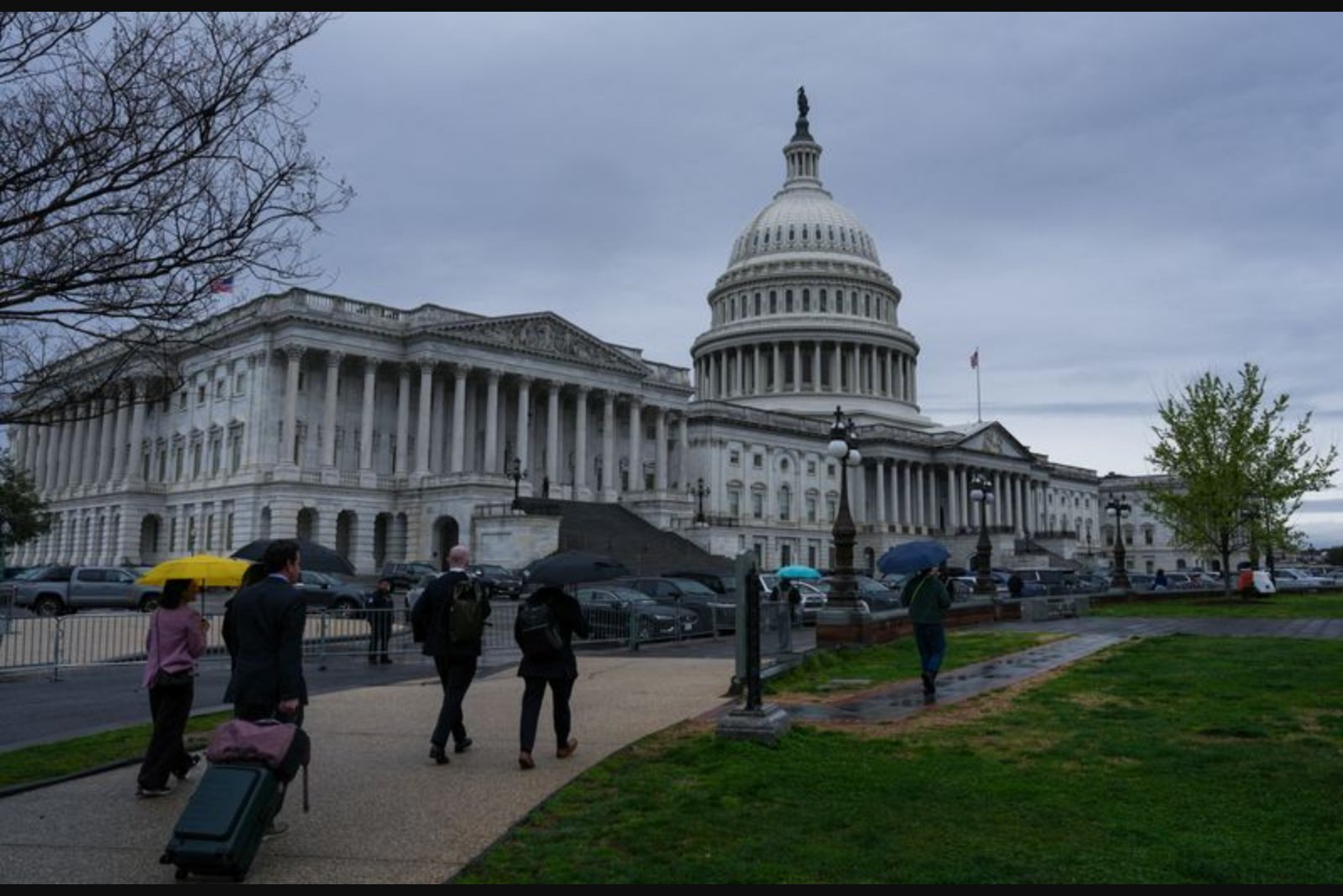
WASHINGTON, April 16 - The U.S. House of Representatives delivered a significant check on the Trump administration's immigration enforcement approach on Thursday, voting to keep temporary protections in place for an estimated 350,000 Haitian nationals residing in the United States.
Lawmakers approved legislation, 224-204, that would allow those Haitians to remain eligible for Temporary Protected Status for three years following a termination of the designation by the U.S. Department of Homeland Security. The measure attracted support from a small contingent of Republicans: ten Republicans and one independent lawmaker crossed party lines to join House Democrats in supporting the extension.
The passage sends the bill to the Republican-led U.S. Senate, where its ultimate outcome is uncertain. The House vote highlighted a willingness among some members of the president's party to diverge from White House policy on this particular immigration matter. At the same time, the legal question of whether the Trump administration may rescind the protections remains pending: the U.S. Supreme Court is scheduled this month to consider whether to permit the administration to revoke the deportation protections that had been granted to the Haitian population.
Temporary Protected Status is a humanitarian designation made available to individuals from countries that have experienced events such as natural disasters, armed conflict, or other extraordinary circumstances. Under TPS, eligible migrants receive work authorization and temporary protection from deportation.
The House action preserves those forms of authorization and protection for Haitians covered by the designation while the legislative and judicial processes unfold. With the bill now before the Senate and the Supreme Court set to weigh the administration's authority to end the protections, the legal and political path ahead remains unresolved.
Key points
- House approved a bill 224-204 to extend TPS eligibility for about 350,000 Haitians for three years after DHS terminated the designation.
- Ten Republicans and one independent joined Democrats in supporting the measure, signaling intra-party breaks with White House policy.
- The legislation moves to the Republican-led Senate and arrives while the U.S. Supreme Court prepares to consider the administration's effort to revoke the protections.
Risks and uncertainties
- Senate outcome is uncertain; the bill's fate in the Republican-led chamber is not guaranteed.
- The Supreme Court's pending review this month could allow the administration to end the protections, creating legal uncertainty for affected individuals.