
Economy April 16, 2026 12:49 PM

Gulf and European Leaders See Six-Month Path to US-Iran Peace, Urge Ceasefire Extension

Regional officials say reopening the Strait of Hormuz and diplomatic engagement from Washington are central to stabilizing energy and food supplies

By Marcus Reed
Gulf and European Leaders See Six-Month Path to US-Iran Peace, Urge Ceasefire Extension

Gulf Arab and European leaders estimate that negotiations to produce a US-Iran peace agreement will take about six months, and they are pressing for an extension of the current ceasefire to allow those talks to proceed. Leaders insist any deal must bar Iran from enriching uranium and from retaining long-range ballistic missiles, and they are calling for the immediate reopening of the Strait of Hormuz to restore energy flows while warning of potential global food supply disruptions if the waterway remains closed beyond next month.

Key Points

  • Gulf Arab and European officials estimate roughly six months will be needed to finalize a US-Iran peace agreement and are urging an extension of the current ceasefire to enable negotiations - impacts shipping and diplomatic timelines.
  • Gulf states continue to assert that Iran is pursuing nuclear weapons development after the US-Israeli bombardment; they insist any agreement must prevent uranium enrichment and bar long-range ballistic missiles - implications for regional security and arms control.
  • Leaders demand the immediate reopening of the Strait of Hormuz to restore energy flows and warn that a closure beyond next month could trigger a global food crisis - affects energy markets, maritime logistics, and agricultural supply chains.

Gulf Arab and European leaders are working from a shared expectation that a negotiated US-Iran peace agreement will require roughly six months to complete, and they are lobbying for the existing ceasefire to be prolonged so talks can take place, regional officials said.

Those officials said Gulf states remain of the view that Iran is pursuing nuclear weapons development - a stance that, according to the officials, has not shifted in the wake of the US-Israeli bombardment of the country. As a result, Gulf leaders say any acceptable accord must include explicit prohibitions on Iran enriching uranium and on its possession of long-range ballistic missiles.

Officials described a regional consensus against renewed military escalation. Gulf leaders are instead urging the United States to pursue diplomatic engagement with Iran to resolve the conflict rather than returning to hostilities.

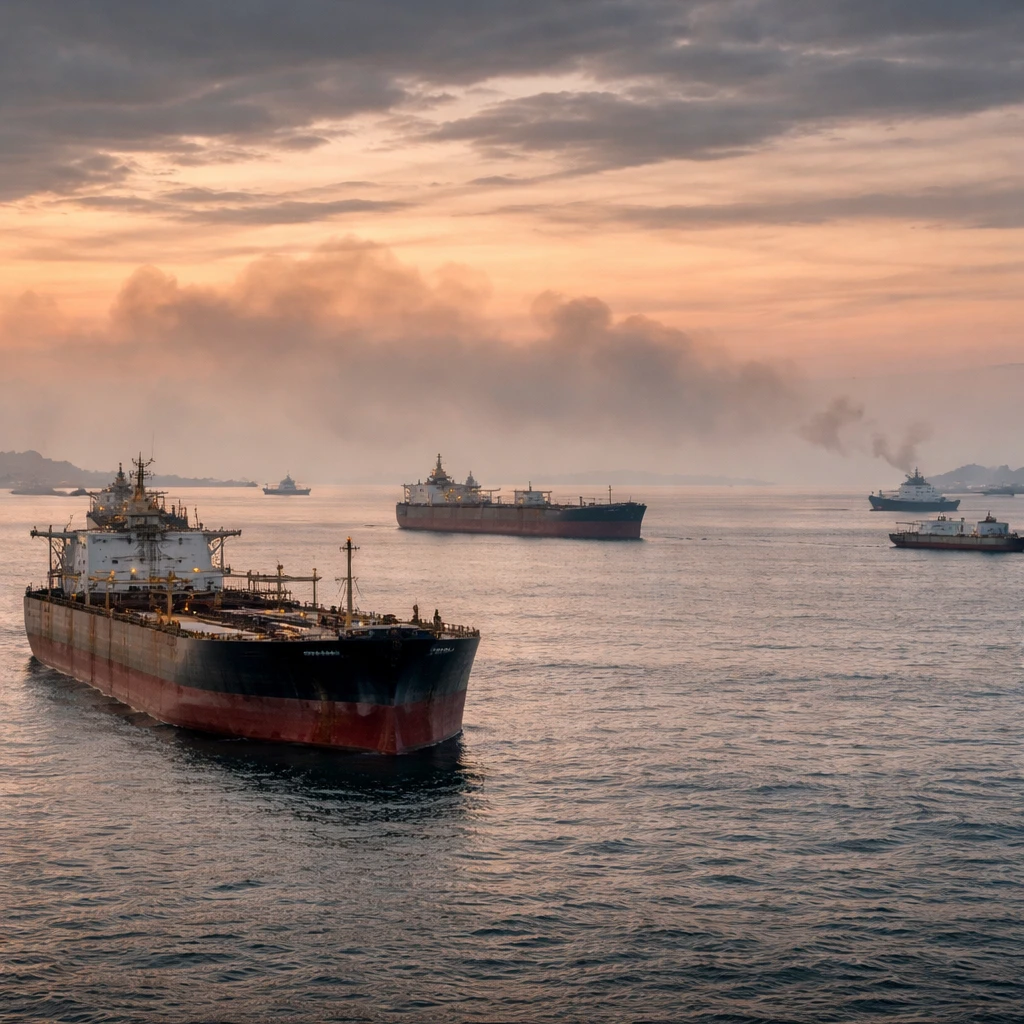
A central demand from the leaders is the immediate reopening of the Strait of Hormuz to restore disrupted energy flows. The officials cautioned privately that if the waterway remains closed beyond next month, the interruption could trigger a global food crisis.

The leaders also signaled expectations that energy prices would climb further if the conflict extends beyond the six-month timeline they have outlined, reflecting the close link between secure maritime passages and global commodity markets.


Details and context

Officials relayed that the six-month estimate is intended to provide a working timeline for negotiations and that an extension of the ceasefire would allow diplomatic channels to pursue the security guarantees Gulf states are demanding. Those guarantees center on preventing Iran from developing or retaining capabilities Gulf leaders associate with weapons programs.

Reopening the Strait of Hormuz is being framed by regional leaders as a necessary step to normalize energy flows. The officials warned that prolonged closure could have broader humanitarian and market effects, including a risk to global food supplies and upward pressure on energy prices.


Implications for markets and logistics

  • Energy markets face upward pressure if the conflict persists beyond the leaders' projected timeline.
  • Shipping and maritime logistics tied to the Strait of Hormuz are central to restoring commodity flows and preventing broader supply disruptions.
  • A prolonged closure of the waterway could ripple into agricultural supply chains, raising food security concerns.

Risks

  • Closure of the Strait of Hormuz beyond next month could disrupt energy shipments and potentially spark a global food crisis - risk to energy, shipping, and agricultural sectors.
  • Energy prices are expected to rise further if the conflict continues past the six-month timeline proposed by Gulf and European leaders - market risk for energy and broader macroeconomic pressures.
  • Uncertainty remains over whether the United States will engage diplomatically in the way Gulf leaders are urging and whether the ceasefire will be extended to allow negotiations - diplomatic and operational uncertainty for negotiation timelines and supply-chain planning.

More from Economy

House Overrides Administration Move, Votes to Prolong Haitians' Temporary Protections Apr 16, 2026 White House Prepares Protections to Let Federal Agencies Use Anthropic’s Mythos AI Apr 16, 2026 Villeroy: Central Bank Independence Essential for Effective Monetary Policy Apr 16, 2026 Judge Clarifies Injunction, Rejects Broad National Security Defense for White House Ballroom Work Apr 16, 2026 Paulson Urges Preparedness as Risk of Disrupted Treasury Demand Looms Apr 16, 2026