
The World Bank cautioned that energy prices could surge 24% in 2026 if the worst disruptions from the Middle East conflict conclude by May - a jump the bank says would be the largest since Russia's 2022 invasion of Ukraine.
In its Commodity Markets Outlook, the bank noted that commodity prices would climb further should the conflict intensify or if supply interruptions persist beyond the baseline scenario. The baseline assumes that shipping through the Strait of Hormuz will return to near pre-war levels by October, but the institution stresses that downside and upside risks remain strongly biased toward higher prices.
The bank's central scenario also anticipates a 16% rise in overall commodity prices next year, with the increase led by energy, fertilizer and record-high metals prices. Those gains, the bank said, threaten to ripple through the global economy via higher food costs and inflationary pressures.
"The war is hitting the global economy in cumulative waves: first through higher energy prices, then higher food prices, and finally, higher inflation, which will push up interest rates and make debt even more expensive," World Bank chief economist Indermit Gill said.
The bank highlighted the uneven burden of the price shock, saying the poorest countries would take the hardest hit and that sharply higher borrowing costs would exacerbate problems for highly indebted developing countries.
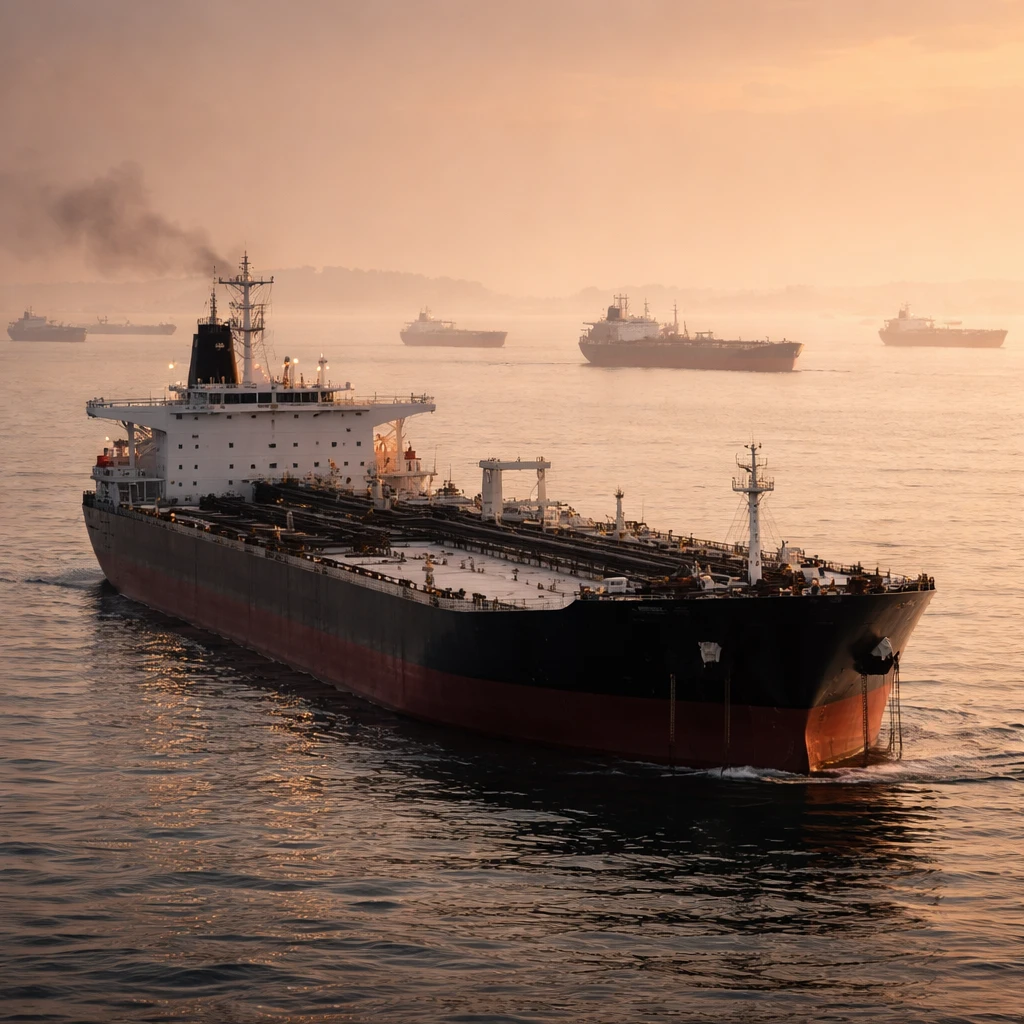
Market action has already reflected those strains. The World Bank pointed to attacks on energy infrastructure and disruptions in the Strait of Hormuz - which previously carried 35% of global seaborne crude - as the source of what it characterizes as the largest recorded oil supply shock. Those disruptions have constrained global access to energy, fertilizer and other Middle East commodities.
Brent crude has climbed significantly in recent months; the bank noted that Brent prices were more than 50% higher in mid-April than at the start of the year. In its outlook, the World Bank forecasts Brent to average $86 a barrel in 2026, up from $69 a barrel in 2025.
However, the bank cautioned that outcomes could be worse if the war damages deepen and exports recover slowly - in that scenario Brent could average as much as $115 a barrel. Market prices have already reflected elevated risk: Brent futures for June traded near $109 on Tuesday after reaching a recent peak on Monday.
Taken together, the World Bank's projections underscore the potential for sustained commodity price pressure driven by energy market disruption, with follow-on effects for food prices, inflation and sovereign debt burdens in vulnerable economies. The bank's outlook ties near-term market dynamics directly to the course of the conflict and the pace at which shipping through the Strait of Hormuz normalizes.