
European natural gas prices showed little movement on Tuesday as market participants weighed developments in diplomatic talks between the United States and Iran that appear to have reached an impasse and left the Strait of Hormuz effectively closed to shipping.
By 08:42 ET (12:43 GMT), the benchmark Dutch front-month contract at the TTF hub was marginally higher by 0.1% at 44.71 euros per megawatt hour.
Media reports suggested that U.S. President Donald Trump was unhappy with an Iranian proposal that would have ended their two-month conflict and reopened the Strait of Hormuz, while deferring discussions on Tehran’s nuclear program to a later stage. An official briefed on the matter indicated the president’s displeasure. Trump has often said that eradicating Iran’s nuclear capabilities, particularly its access to a nuclear weapon, has been a driving force of the joint U.S.-Israeli assault launched in late February, and that context shaped his reaction to the proposal.
Expectations for renewed negotiations between Washington and Tehran were weakened over the weekend when Trump cancelled plans to send his negotiating team to Pakistan for another round of talks. The diplomatic setback coincided with continuing restrictions on maritime traffic in the Strait of Hormuz.
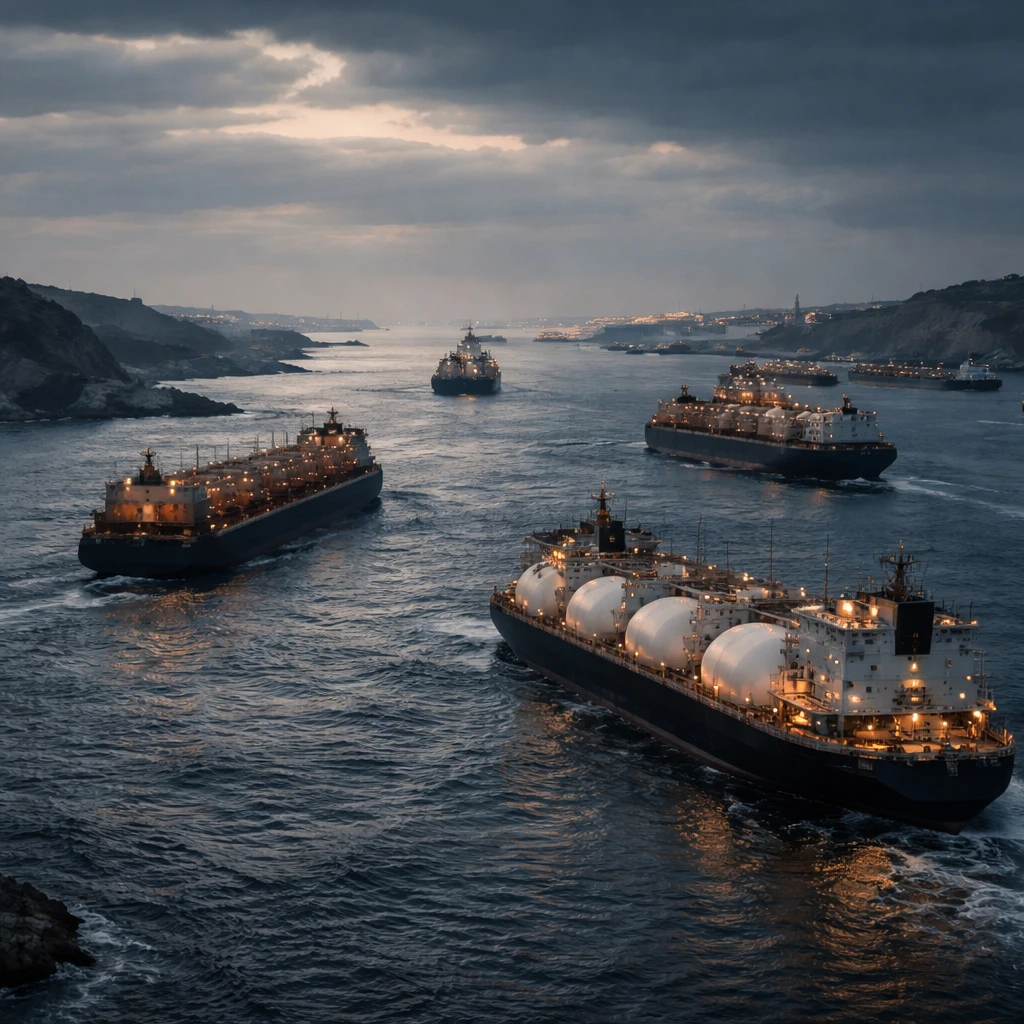
The narrow waterway off Iran’s southern coast - a critical chokepoint through which around a fifth of the world’s liquefied natural gas moves - has been virtually blocked for weeks. That effective shutdown has supported a rise in European gas prices to levels above those seen before the conflict.
Weather and storage dynamics offered mixed signals for demand. Temperatures across northwest Europe are forecast to rise through the end of the week before slowly cooling again. At the same time, EU gas storage facilities were reported to be 31.75% full, compared with 38.42% at the same point last year.
Trade desks and energy analysts remain attentive to further diplomatic developments and shipping access through Hormuz, while monitoring storage trajectories and short-term weather to assess near-term supply-demand balance in European gas markets.