
Overview
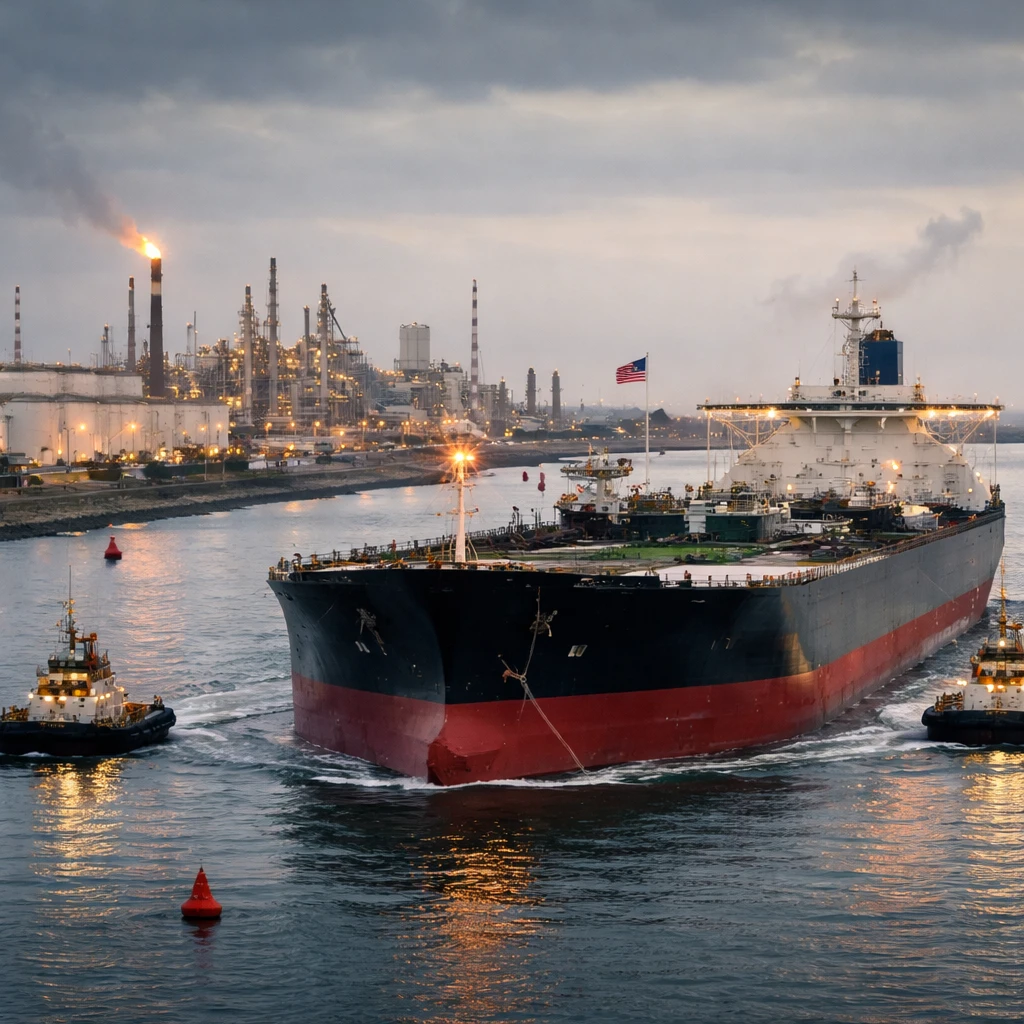
U.S. officials say the administration is considering an extension of a temporary waiver that allows foreign-flagged cargo vessels to move fuel and other goods between domestic ports. The waiver relaxed enforcement of the Jones Act - the 1920 law that normally restricts domestic cargo movements to U.S.-flagged ships - and was first issued for 60 days in March.
Purpose of the original waiver
The March waiver was intended to boost the ability to move crude and refined products between major U.S. producing regions and other domestic markets. Officials described the move as a response to higher gasoline prices that emerged alongside the Iran war, with the waiver designed to help keep U.S. markets supplied by permitting foreign-flagged vessels to carry oil across domestic routes.
Current considerations
According to U.S. officials, the administration is now evaluating whether to extend that temporary allowance. Proponents of an extension argue the waiver enables greater flexibility in transporting oil within the United States by allowing additional shipping capacity from foreign-flagged vessels, which can alleviate regional supply stress.
Context and market signals
The deliberations occur amid continued concern over possible prolonged disruptions to energy markets stemming from the Iran war. Those concerns persisted even after the president on Tuesday indefinitely extended a ceasefire with Iran. While that diplomatic step may reduce some near-term escalation risk, officials note that a blockade in the Strait of Hormuz remains in place. Observed market responses earlier this year included a roughly 40% increase in U.S. gasoline prices in March following the onset of the Iran war, with some moderation of those gains in April amid hopes for a more lasting peace agreement.
What this means for markets
Extending the waiver would maintain the temporary expansion of shipping options for domestic fuel flows, which could help regional supply balances. Key affected sectors include crude oil production regions, domestic petroleum distribution networks, maritime shipping services, and retail gasoline markets.