
Commodities April 15, 2026 02:54 PM

White House Rejects Reports It Sought Ceasefire; Says New Iran Talks Could Return to Pakistan

Press secretary stresses talks with Iran remain 'productive and ongoing' but nothing official; past negotiations collapsed and energy flows from the Gulf remain constrained

By Caleb Monroe
White House Rejects Reports It Sought Ceasefire; Says New Iran Talks Could Return to Pakistan

The White House says it did not request a ceasefire in the Iran war, while confirming that talks with Iranian representatives about a second round of negotiations are underway and constructive. Press secretary Karoline Leavitt indicated any future in-person meetings would likely occur in Pakistan, which officials view as the only mediator currently engaged. Previous talks ended without an agreement, and ongoing hostilities have prompted Iran to restrict transit through the Strait of Hormuz, disrupting Gulf exports and forcing energy importers to seek alternatives.

Key Points

  • White House says it did not request a ceasefire; talks with Iran continue and are described as productive.
  • Pakistan is expected to be the likely venue for any further negotiations, identified as the "only mediator."
  • The conflict has prompted Iran to limit transit through the Strait of Hormuz, reducing Gulf exports and disrupting energy supplies to Asia and Europe - impacting the energy and shipping sectors.

WASHINGTON - The White House denied reports that it had formally requested a ceasefire in the war involving Iran, while confirming that discussions about holding another round of talks with Iranian officials remain active and constructive.

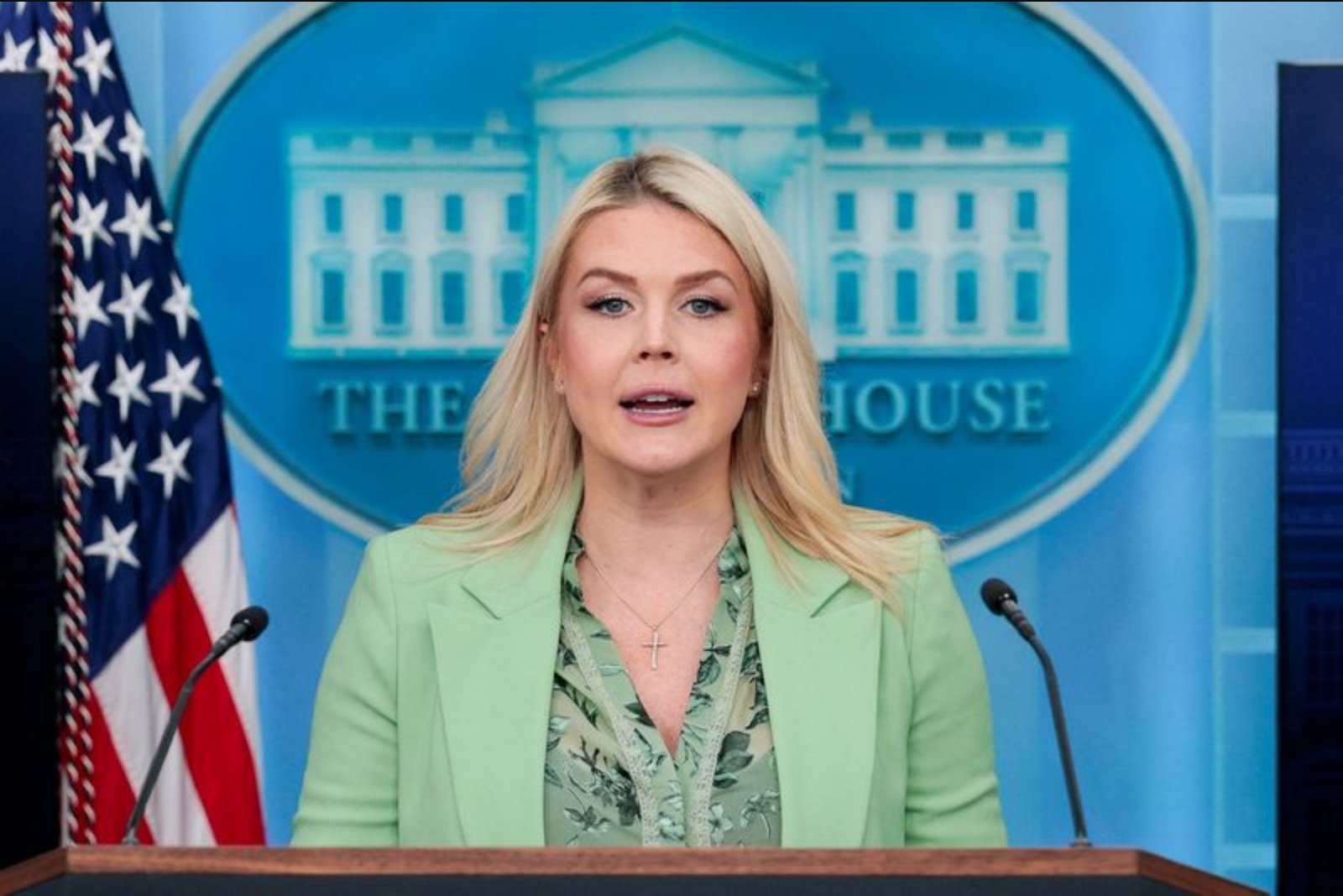
At a Wednesday press briefing, press secretary Karoline Leavitt emphasized that reports of a U.S. ceasefire request were incorrect. She said, however, that officials continue to speak with Iranian counterparts and that those conversations are "productive and ongoing." Leavitt added that Pakistan is expected to be the likely venue for further discussions, describing the country as the "only mediator" in the current diplomatic effort to end the U.S.-Israeli war on Iran.

Leavitt addressed reporting about potential in-person meetings directly, saying: "These conversations are productive and ongoing, and that’s where we are right now. I’ve also seen some reporting about the potentiality for in-person discussions. Again, those discussions are being had, but nothing is official until you hear it from us here at the White House, but we feel good about the prospects of a deal."

The most recent round of negotiations, held last weekend, failed to produce an agreement to end the conflict. The war, which the White House attributes to actions by President Donald Trump that began on February 28 alongside Israel, has triggered Iranian attacks on Iran’s Gulf neighbors and rekindled fighting between Israel and Lebanon-based Hezbollah, which receives backing from Iran.

Those hostilities have had immediate implications for global energy shipments. Iran has effectively closed the Strait of Hormuz to vessels other than its own, sharply reducing exports from the Gulf. The reduction has been felt most by buyers in Asia and Europe, with energy importers left scrambling to find alternative supplies as flows from the region have been constrained.


Context and current status

  • White House denies requesting a ceasefire.
  • Talks with Iran are described as ongoing and productive, with Pakistan likely to host any new in-person discussions.
  • Last weekend’s negotiations ended without a deal to end the war.

The administration portrayed the diplomatic channel as active but not yet finalized, noting that any confirmed developments would be announced by the White House itself.

Risks

  • Negotiations remain fragile - last weekend’s talks broke down without an agreement, leaving diplomatic outcomes uncertain (impacts diplomatic relations and geopolitical stability).
  • Continued restriction of the Strait of Hormuz by Iran has sharply reduced Gulf exports, forcing energy importers to seek alternative supplies (impacts the energy sector and global fuel markets).
  • Escalation in regional fighting, including renewed clashes between Israel and Iran-backed Hezbollah, could further disrupt trade routes and commodity flows (impacts shipping, insurance, and energy markets).

More from Commodities

Kalshi Debuts Commodities Hub, Adds Ten New Markets for 24/7 Event Trading Apr 15, 2026 Oil Holds Firm as Strait of Hormuz Constraints Offset Hints of De-escalation Apr 15, 2026 U.S. Treasury Sanctions Network Linked to Iran Oil Shipping Apr 15, 2026 Iran Signals Potential Safe Passage Through Omani Side of Strait of Hormuz in U.S. Talks, Source Says Apr 15, 2026 Copper Climbs to Month-High as Hints of Iran Conflict De-escalation Ease Market Fears Apr 15, 2026