
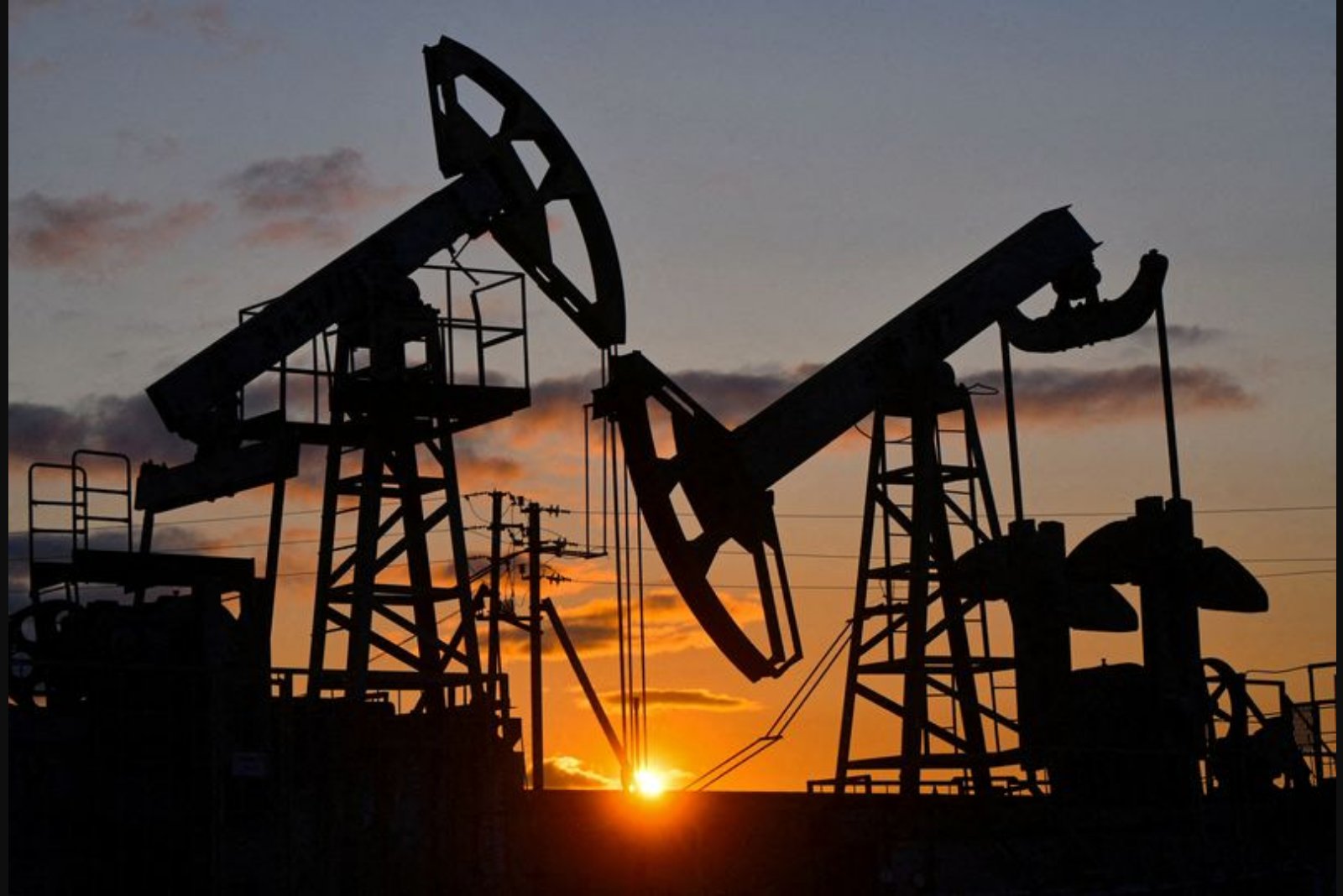
Oil markets ended the trading session broadly steady as ongoing disruptions to Middle Eastern supply routes balanced remarks by U.S. President Donald Trump that the war with Iran might soon conclude. Market participants remained cautious because shipping through the Strait of Hormuz has not returned to pre-conflict levels and significant crude losses have accumulated since the escalation.
Brent futures closed up 14 cents, or 0.1%, at $94.93 a barrel. U.S. West Texas Intermediate crude gained one cent to finish at $91.29 a barrel.
A source briefed by Tehran said Iran has signaled it could consider allowing vessels to pass freely via the Omani side of the Strait of Hormuz without the risk of attack as part of proposals it has put forward in negotiations with the United States - but only if an agreement is reached to prevent a resumption of hostilities.
That remark comes amid a sharply reduced level of shipping through the strait. Forty-five days after Iran’s Revolutionary Guards declared the strait closed - a move that effectively halted roughly 20% of global oil and liquefied natural gas shipments - transit volumes remain only a fraction of the more than 130 daily crossings recorded before the conflict, according to sources cited by market observers.
Johannes Rauball, senior crude analyst at Kpler, said cumulative losses of Middle Eastern crude and condensate supplies have reached 496 million barrels to date. At the same time, U.S. forces have enacted what the U.S. military described as a blockade of vessels leaving Iranian ports, which it said has effectively stopped maritime trade to and from the country.
Analysts at energy consultancy Gelber & Associates noted that tracking data shows a "small but increasing number of tankers moving through the Strait of Hormuz, even as overall traffic remains sharply below normal levels." The firm added that the market is no longer pricing a full-scale outage, but is keeping a residual premium because flows are recovering unevenly rather than snapping back to normal.
Policy shifts affecting sanctioned oil flows also influenced market dynamics. Treasury Secretary Scott Bessent told reporters that the U.S. will not renew the waivers that had permitted purchases of some Iranian and Russian crude without triggering U.S. sanctions.
On the diplomatic and economic front, finance ministers from nearly a dozen countries, led by Britain, urged the U.S., Israel and Iran to implement their ceasefire fully. They warned the conflict will weigh on global markets and the economy even if fighting subsides in the near term.
Bessent assessed that the U.S. economy will be slower this quarter but described it as broadly in good shape and likely to rebound. He added that oil price movements did not seem to be affecting inflation expectations at present.
Domestic U.S. politics and interest rate uncertainty added to the broader economic picture. President Trump threatened to remove Federal Reserve Chair Jerome Powell from a separate seat on the Fed’s Board of Governors if Powell did not vacate that post when his term as Fed chief ends on May 15. Analysts have expressed concern that increasing political involvement in interest-rate decisions could undermine the Federal Reserve’s ability to manage inflation.
Trump has pushed the Fed to cut rates - a move seen as potentially lowering consumer costs and stimulating growth and oil demand. At the same time, U.S. import prices rose by less than expected in March, but trends still signal strengthening imported inflationary pressures as the Middle East conflict lifts oil prices and disrupts supply chains.
Chicago Fed President Austan Goolsbee told the Financial Times that higher oil prices could push up consumer inflation expectations and that the Fed faces a twofold challenge from the Iran war and tariffs imposed by the U.S. administration.
The International Monetary Fund expects at least a dozen countries to seek new loan programs to cope with rising energy costs and supply chain disruptions linked to the Middle East conflict. In response to energy market strains, Japan said it would create a financial framework of around $10 billion to help Asian countries secure energy supplies and increase their stockpiles.
On the supply side outside the Middle East, Russian officials indicated readiness to increase energy deliveries to China ahead of an anticipated visit by President Vladimir Putin, the Foreign Minister Sergei Lavrov told Russian news agencies.
U.S. oil inventory data also played a role in pricing. The U.S. Energy Information Administration reported a surprise withdrawal of 0.9 million barrels of crude from inventories in the week ended April 10. That contrasted with a 0.15-million-barrel build that analysts in a Reuters poll had expected and differed from an API report earlier that referenced a 6.1-million-barrel increase.
Together, constrained shipping through a strategically vital chokepoint, large cumulative regional supply losses, sanctions-related policy decisions and mixed economic signals combined to keep oil prices anchored near the recent levels, even as diplomatic signals offered a sliver of potential improvement in transit risk.
Note: This article reports developments described by officials, analysts and agencies and reflects the information they provided.