
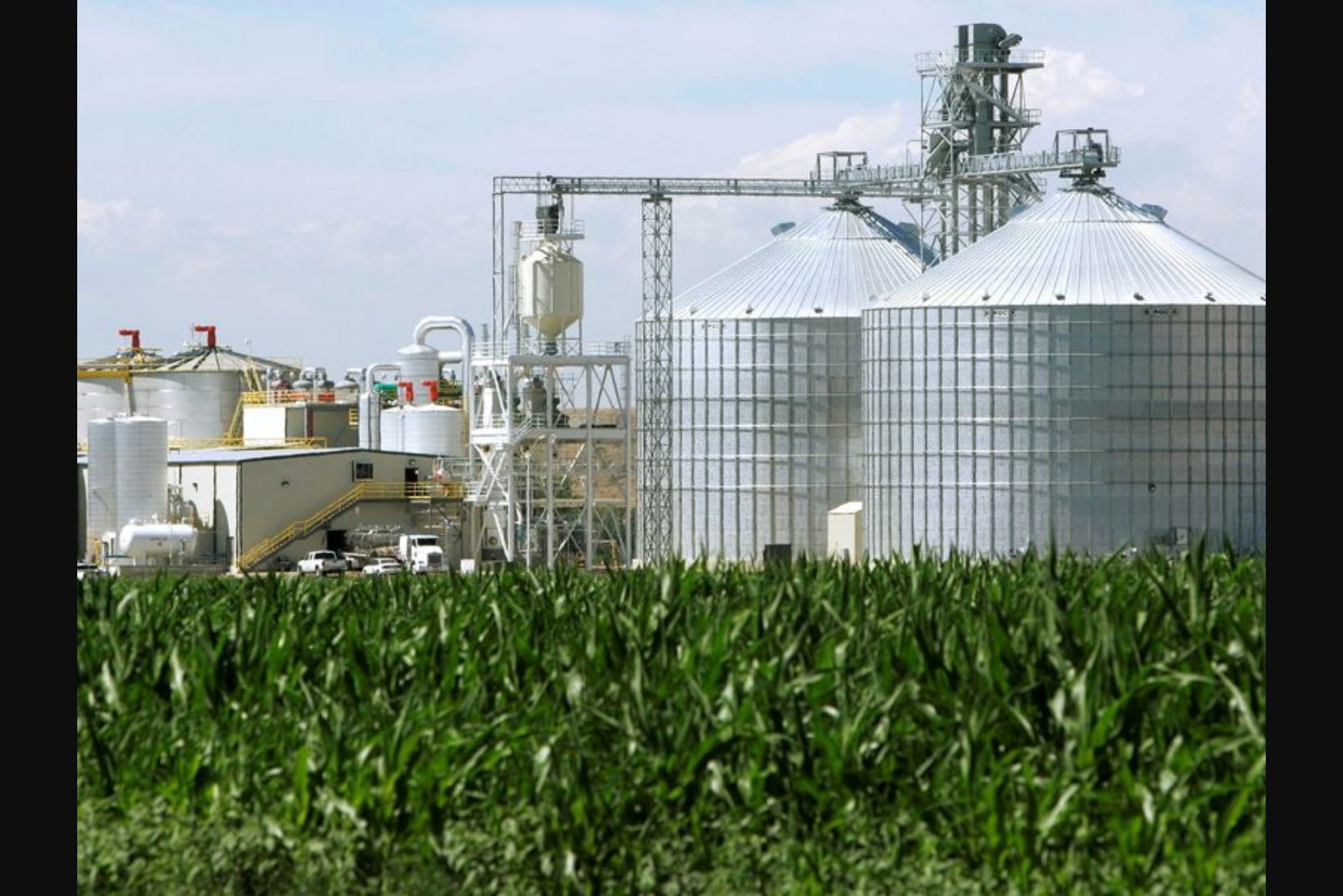
Soaring crude prices in the wake of the conflict involving the U.S., Israel and Iran have pushed biofuels back into policy and market focus as governments and refiners scramble to ease fuel shortages and curb costly imports.
The fighting has interrupted roughly 20% of global oil and gas flows that commonly transit the Strait of Hormuz, and crude has climbed more than 30% since late February, when hostilities began. By contrast, corn prices - a primary feedstock for some ethanol production - have risen by only about 5% over the same period.
Biofuels, which are derived from organic feedstocks, are typically blended into gasoline or used as a diesel substitute. Their economics improve when conventional fuel becomes more expensive, enabling them to help moderate pump prices and reduce reliance on imported crude.
Countries across Asia, which purchases about 80% of the oil shipped via the Strait of Hormuz, have moved swiftly to raise biofuel usage as the regional impact of the supply shock became clear. With much of that shipping corridor largely closed since the conflict began, the region is seeking alternatives to blunt the impact of higher energy costs.
Vietnam announced in late March that it would move to ethanol-blended gasoline beginning in April, bringing forward a prior target date of June 1. Ethanol is mainly produced from corn or sugarcane. Indonesia has said it will increase the mandatory biodiesel blending ratio made from palm oil to 50% from 40%. Indonesia is the world’s largest producer and exporter of palm oil.
"In Asia, countries do look at biofuels that can be produced from locally sourced feedstocks as they can reach two goals at once - limit energy imports and increase profitability for farmers," said Kpler biofuels analyst Beata Wojtkowska.
Policymakers in the region are also deploying other measures to blunt the economic strain from higher energy prices, including fuel rationing, shortened work weeks and alternating driving days. Market observers expect that, combined with policy actions, the crisis will give the Asian biofuel sector a lift.
International Sugar Organization senior economist Peter de Klerk said he expects the crisis to boost the Asian biofuel sector and noted that India planned to raise ethanol blending rates while Thailand is examining its ethanol options.
Food versus fuel debate revives but with caveats
Efforts to expand biofuel production - through mandates, subsidies or other measures - reawaken longstanding concerns about diverting crops into fuel markets and the potential upward pressure on food prices. The issue was brought to the forefront during the 2007-2008 food price shock, when critics argued that biofuel production contributed to higher food costs.
Biofuel output can consume significant volumes of crops: around 40% of the U.S. corn crop is used to make ethanol, while in Brazil roughly 50% of sugarcane is directed to ethanol production. At the same time, the war-driven surge in energy, transport and fertilizer costs has already pushed global food prices to a six-month high in March.
Increased biofuel use could add upward pressure to food prices, but some analysts and campaigners caution that a sharp leap in food prices would require large-scale construction of new biofuel plants, a process that takes years to materialize.
Phil Aikman, Southeast Asia campaign director for non-profit Mighty Earth, said significantly higher food prices would only follow if biofuel producers build new facilities at scale, a multi-year endeavor. He added that current global grain and vegetable oil supplies are plentiful, reducing the immediacy of the food-versus-fuel tension compared with previous episodes.
Capacity, blending limits and feedstock availability also constrain how quickly biofuels can substitute for fossil fuels. Kpler’s Wojtkowska noted that while biofuels can help temper fuel prices to some extent, they are unlikely to displace fossil fuels on a very large scale in the near term due to the time and costs involved in expanding production and the logistical limits to blending.
Scale and policy differences shape regional responses
Biofuels currently constitute a modest fraction of global transport energy. They meet roughly 4% of transport fuel demand today. Forecasts from consultants at BMI, a unit of Fitch, project that biofuels will account for about 5% of transport energy by 2035.
Regulatory approaches vary. The European Union remains an outlier in limiting biofuel expansion, maintaining a cap on use amid concerns that more extensive deployment could raise food prices and contribute to deforestation. The cap forms part of the EU’s renewable fuel obligation, which is intended to reduce dependence on fossil fuels.
By contrast, the United States has pushed a different path: the administration led by President Trump ordered refiners to blend a record volume of biofuels in the current year.
In Brazil, policy signals show the industry shifting toward greater ethanol use: the government is exploring raising the gasoline ethanol blend to 32% from 30% by the end of June, and cane mills are poised to divert a larger share of sugarcane into ethanol rather than sugar because ethanol currently offers higher profitability.
Outlook and constraints
Although higher crude prices have strengthened the economic case for biofuels, several constraints limit how quickly they can scale up. Building new processing plants requires time and capital. Feedstock supplies, blending infrastructure and regulatory ceilings also act as operational limits.
As Asian governments and others seek to mitigate the economic fallout from disrupted oil flows, biofuels will play a role in the near term - but the scope of that role is bounded by physical and policy constraints. Markets, agricultural producers and transport fuel sectors are likely to remain affected as authorities balance energy security, farmer incomes and food-price stability.