
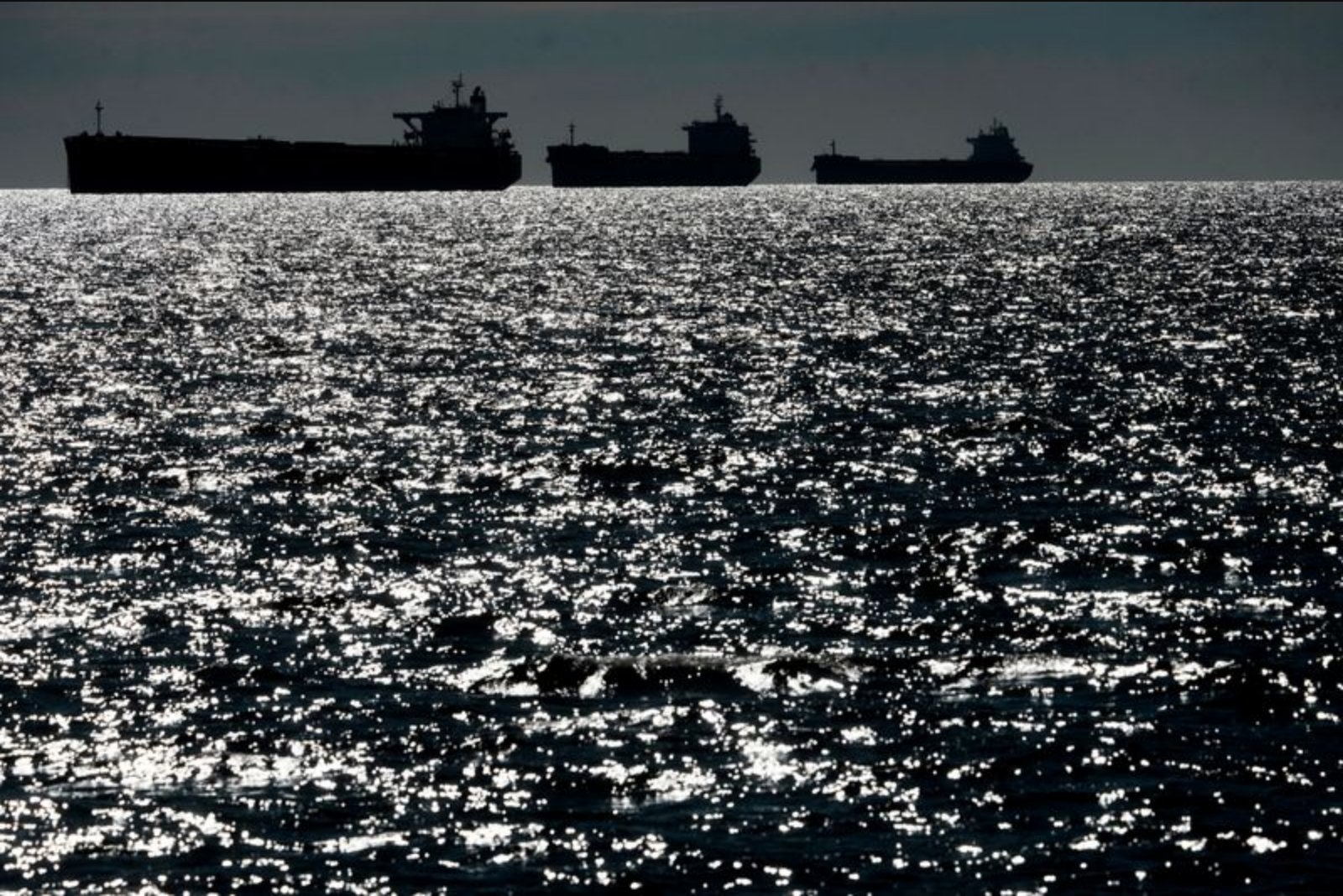
In the four weeks after Prime Minister Keir Starmer publicly warned on March 25 that Britain could deploy its military to board vessels tied to Russia's so-called "shadow fleet", there was no evident decline in the flow of such ships through UK maritime jurisdiction, according to data reviewed by Reuters.
At least 98 vessels on the United Kingdom's sanctions list navigated British waters during that month - a figure that closely matches counts for each of the prior three months. Officials have not announced any boardings or detentions of these vessels. The ships in question often operate under opaque ownership arrangements and have been used to move commodities such as oil and grains, as well as arms, activities observers say can support Russia's war in Ukraine.
Tracking compiled by LSEG indicates the larger share of these transits concentrated along Britain's most direct south-north maritime corridor. Some 63 ships passed within 12 nautical miles of the coastline in the English Channel, the principal route between the Baltic Sea and southern Europe. Another 35 vessels moved within Britain's Exclusive Economic Zone - which can extend up to 200 nautical miles from shore - primarily in waters off north Scotland.
"You have to quickly follow up with boardings or otherwise those vessels will conclude that it was an empty threat - and that is the regrettable situation we are in now," said Elisabeth Braw, a maritime security expert at the Washington-based Atlantic Council.
The United Kingdom's response contrasts with actions taken by some continental European states. In recent months, authorities in France, Belgium and Sweden have boarded and detained ships identified as part of the Russian "shadow fleet." The UK Ministry of Defence did not respond to a request for comment on why it has not announced similar operations.
Observers note operational and institutional constraints that complicate enforcement. The UK does not have a dedicated law-enforcement coastguard in the way France or Sweden do, and analysts point to legal and economic complications associated with processing a large number of sanctioned vessels. London currently lists 544 vessels on its sanctions register as linked to Russia's shadow fleet.
The data also indicated attempts at evasion by some vessels. At least 10 ships appearing in the transit records had engaged in so-called "spoofing" - turning off or manipulating their electronic tracking systems while crossing British waters.
The Kremlin has labelled sanctions on its shipping as unlawful and described Britain's policy as a "deeply hostile move" that could invite retaliation. Analysts say the apparent lack of follow-through by the UK reflects a combination of legal, institutional and economic hurdles rather than a simple policy choice.
Britain's navy, once a dominant global force, is now operating at its smallest scale since the 17th century and faces simultaneous demand from allies for support across eastern Europe, the Arctic and the Middle East. Those competing commitments form part of the context for decision-making about maritime enforcement in UK waters.
Clear summary: In the month after Prime Minister Starmer's March 25 boarding threat, at least 98 sanctioned Russian vessels transited UK waters with no announced boardings or detentions; 63 passed within 12 nautical miles in the English Channel and 35 within the Exclusive Economic Zone around north Scotland, and at least 10 vessels appeared to have spoofed tracking systems.