
Overview
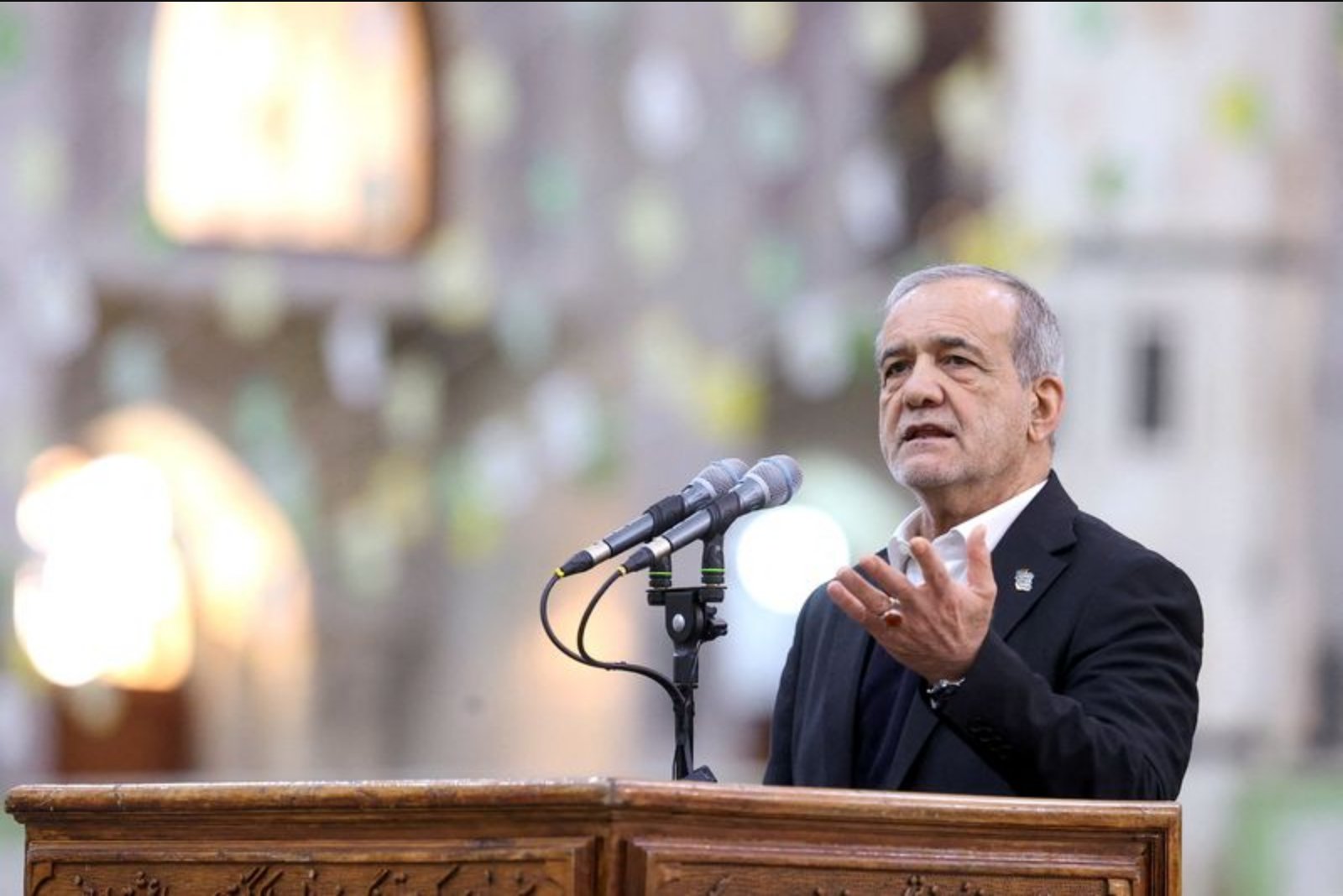
Iranian President Masoud Pezeshkian said on Monday that all reasonable and diplomatic avenues should be pursued to lower tensions with the United States, while also asserting that maintaining vigilance and a degree of distrust in interactions with Washington is an "undeniable necessity," according to the state news agency IRNA.
Ceasefire, negotiations and diplomatic uncertainty
The two-week ceasefire between Iran and the U.S. is scheduled to expire on Wednesday. U.S. representatives are due to arrive in Islamabad for talks related to Iran on Monday, while Tehran has not yet announced whether it will dispatch a delegation to Pakistan for the discussions.
Iranian state television quoted an unnamed informed source saying there were no plans for a second round of negotiations. The source attributed that position to what it described as the U.S.'s "excessive and irrational" demands, as well as the American side's changing stances.
Maritime tensions and accusations of violations
The two adversaries remain at odds over the Strait of Hormuz. Iran has tightened its control over maritime transit in the area as the U.S. continues what the reporting describes as a blockade of Iranian ports. On Sunday, U.S. forces took custody of a vessel that was attempting to transit past the American blockade. Both Iran and the United States have accused the other of breaching the ceasefire.
Pezeshkian commented on state television that the U.S. blockade signaled Washington was moving toward "repeating previous patterns and betraying diplomacy."
Contextual notes
The statements cited above reflect official Iranian commentary as presented through state media. Key developments to watch in the near term include the expiration of the ceasefire, whether Tehran decides to attend negotiations in Islamabad, and whether either side formally accuses the other of further violations.