
Chicago Board of Trade corn futures rose to levels not seen in roughly ten months on Monday as a combination of stronger crude oil prices and weather-related planting concerns lent support to the grain.
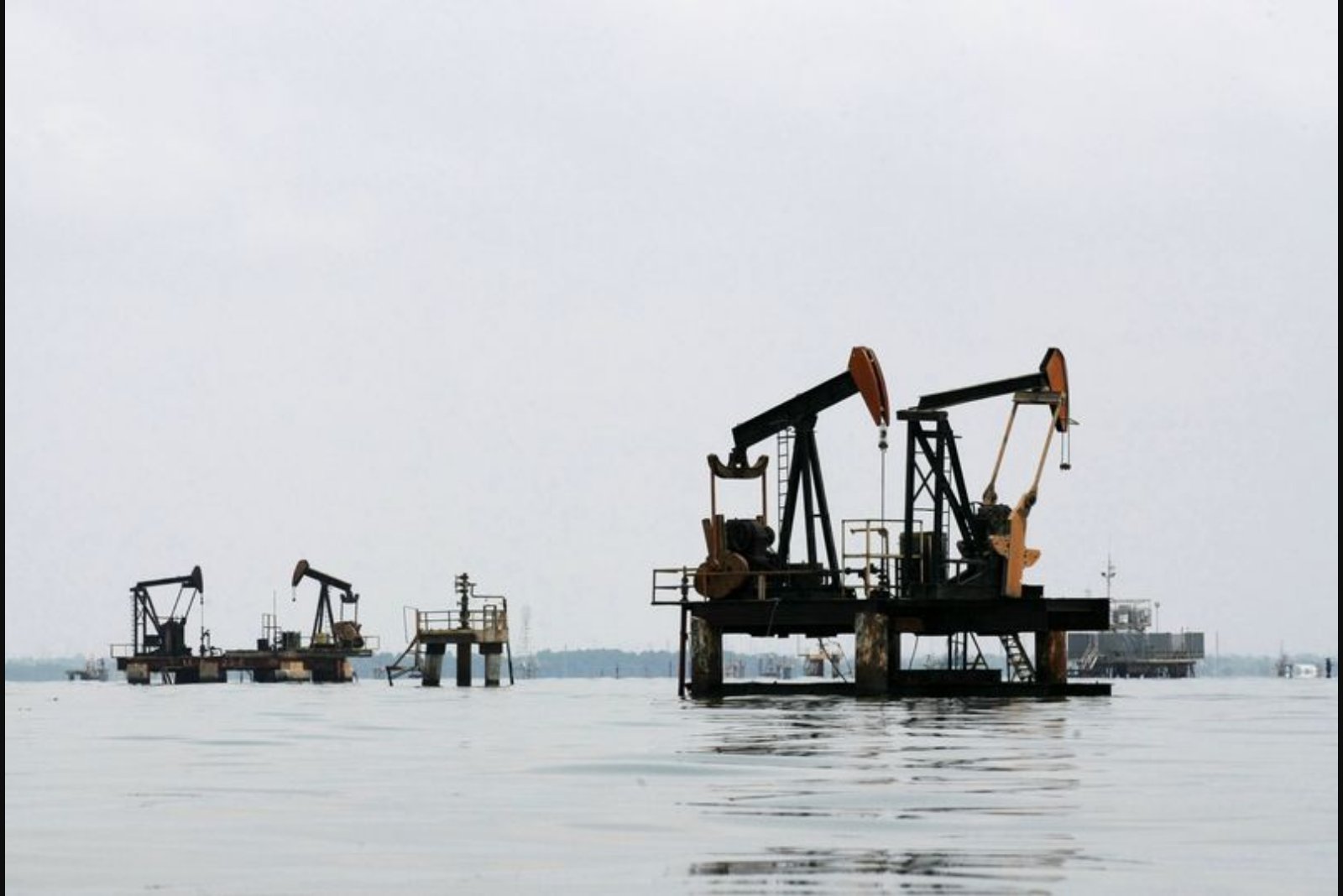
Oil jumped about 3% to reach a two-week high after peace talks between the U.S. and Iran stalled and shipments through the Strait of Hormuz remained limited, tightening global oil supplies. That strength in crude contributed to a firmer energy-linked element in crop markets, given the role of petroleum in fertilizer production and agricultural logistics.
Concerns about heavy rainfall in parts of the U.S. Midwest added an additional layer of support for corn. While early planting of both soybeans and corn across the U.S. has generally progressed well, forecasts for storms in the Midwest raised the prospect that seeding could be delayed in some areas.
Farmers worldwide are also facing renewed pressure on input costs. The article reports a second wave of fertilizer price increases in four years, attributed to the U.S. and Israeli war on Iran. The Middle East is described as a major hub for fertilizer production, and much of the global fertilizer trade typically transits the Strait of Hormuz - where traffic has stopped due to the conflict - creating further upward pressure on costs.
Corn fundamentals were reinforced by export demand. South Korea was reported to have made another corn purchase on Monday, and that buying helped underpin prices in the nearby contract.
On the Chicago Board of Trade, CBOT July corn closed up 5-3/4 cents at $4.69-1/4 per bushel.
The market developments combined supply-side concerns from energy and fertilizer channels with weather uncertainty and active export appetite, producing a convergence of factors that pushed CBOT corn to its highest mark in ten months.