
VENEZUELA - The government announced on Monday that the official death toll from the twin earthquakes that struck the capital region has increased to 3,535, while nearly 18,000 people remain without homes more than a week after the disaster. Authorities said 16,740 people were injured and 17,854 had been left homeless after the quakes, which measured magnitudes 7.2 and 7.5 and struck within seconds of each other on June 24.
Those figures highlight the scale of the humanitarian emergency around Caracas and La Guaira, the coastal jurisdiction that bore the brunt of the damage. Venezuela's social vice presidency reported that at least 12,800 people were being accommodated in 80 official shelters across Caracas and La Guaira.
Acting President Delcy Rodriguez defended the government's response amid mounting criticism from Venezuelans who have described the relief effort as late and inadequate. She said security forces were deployed immediately after the quakes and announced the creation of a new military unit intended to assist in future emergencies and disasters.
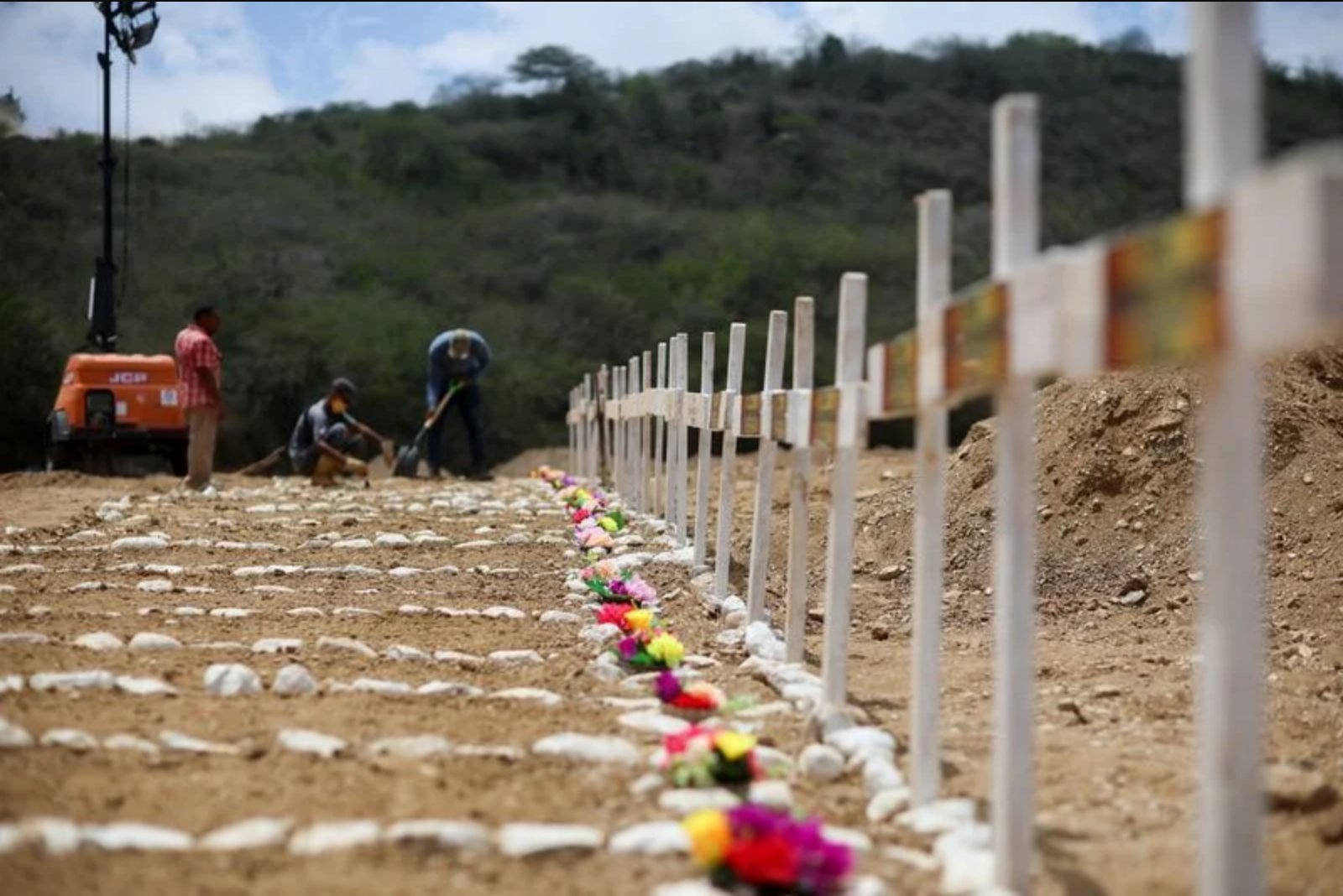
On the ground in La Guaira on Monday, Reuters witnesses observed trucks and forensic teams moving coffins and heavy machinery excavating trenches in an open field marked by white crosses, where authorities were burying unidentified remains.
"Some search and rescue teams remain deployed in the affected areas, while other specialized engineering teams and medical support continue to arrive," U.N. spokesperson Stephane Dujarric told reporters on Monday.
The United Nations said it is continuing to ramp up humanitarian operations in coordination with Caracas. Dujarric added that a comprehensive needs assessment, which will form the basis of an updated response plan, was nearly complete, though he did not provide a timeline for its release. U.N. agencies are already providing services in three camps and are assessing additional sites for expanded support.
The new government figures and U.N. statements come as authorities manage urgent sheltering needs, medical care for the injured, and ongoing search and recovery activities. The visible presence of forensic teams and burial sites for unidentified victims underscores the immediate human cost and operational challenges confronting both national and international responders.
As relief operations continue, Venezuelans and international agencies alike are awaiting the finalized needs assessment to guide the next phase of assistance. In the meantime, displaced families remain in shelters and other temporary sites across the hardest-hit areas, while authorities and aid groups sustain rescue, recovery, and humanitarian work on the ground.