
Lede
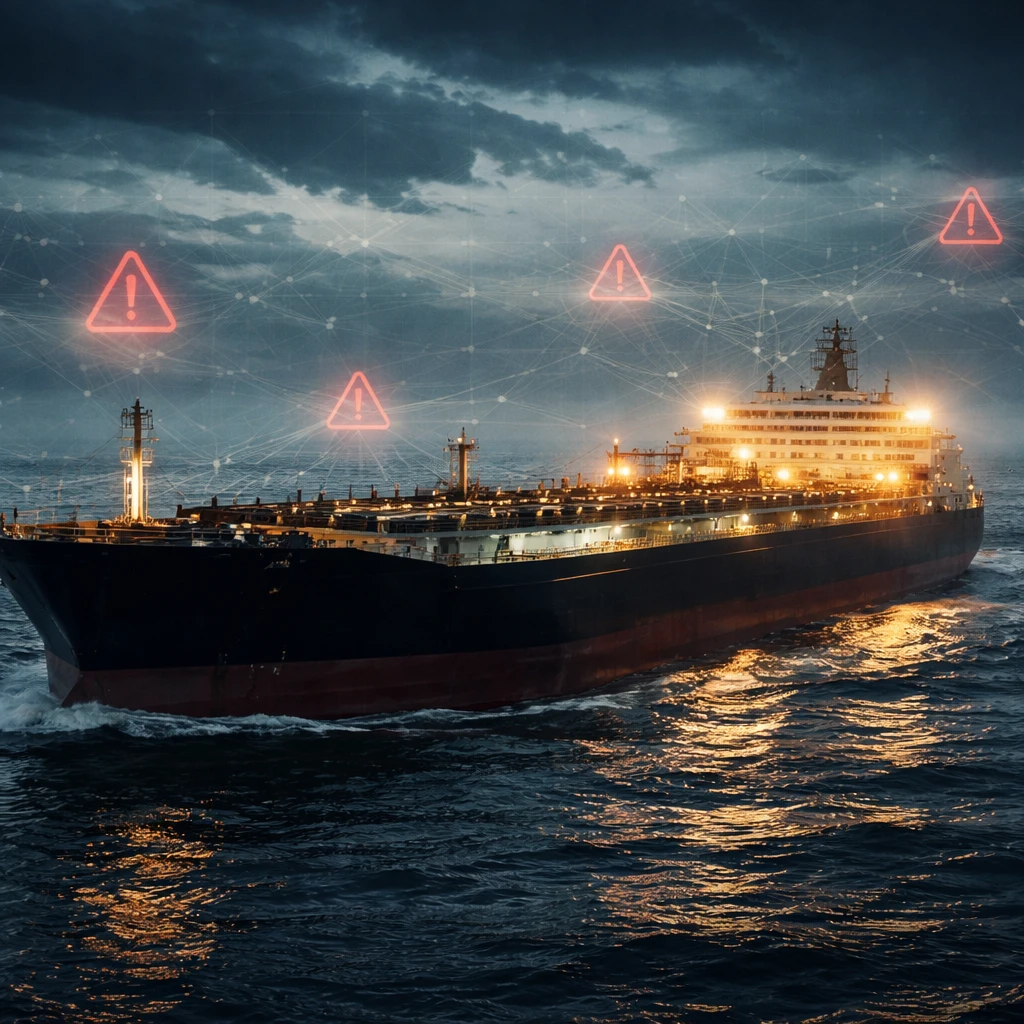
U.S. authorities are examining the possibility that Iran may be responsible for a series of cyberattacks and associated threats aimed at commercial energy tankers, according to U.S. officials and others familiar with the matter. The probes come amid concern that Tehran could be broadening conflict-related activity beyond the Middle East through cyber operations and terror-style threats directed at Americans and vessels operating far from regional waters.
Scope of the incidents
Investigators believe the campaign may involve dozens of vessels - as many as 50 ships - carrying oil, liquefied petroleum, chemical products and other explosive substances. Those targeted ships include energy tankers and vessels transporting volatile cargoes, raising particular alarm among maritime and safety officials because of the heightened risks associated with such freight.
Threats reported
Some of the vessels reportedly received warnings and bomb threats that suggested the ships could be blown up. The emergence of both cyber intrusions and explicit threat messages has prompted U.S. authorities to treat the incidents as potentially coordinated operations that combine digital and physical intimidation tactics.
Attribution and suspects
U.S. investigators consider Iran a primary suspect in the attacks. Officials have also identified Russia as a possible actor under review by authorities. At this stage, the investigations are ongoing and attribution has not been confirmed publicly.
Verification
The reporting on these incidents has not been independently verified. Officials and others with knowledge of the inquiries have provided the details to investigators, and U.S. agencies continue to probe the origin, methods and scope of the reported attacks and threats.
Implications
The combination of cyber intrusion and explicit explosive threats against vessels carrying flammable or otherwise hazardous cargo has raised safety and security concerns for maritime operators, energy shippers and insurers. U.S. authorities are treating the events as a matter of national and commercial security while working to determine responsibility and to assess any wider pattern of activity.