
Ukraine’s military intelligence service has reported that North Korea temporarily paused parts of its military collaboration with Russia, including shipments of KN-23 ballistic missiles, after what it described as diplomatic tensions between the two capitals.
The Main Directorate of Intelligence of the Ministry of Defence of Ukraine, known as GUR, said in a briefing that North Korean Foreign Minister Choe Son Hui declared a temporary suspension of cooperation last month. GUR said the pause followed a remark by a Russian deputy foreign minister indicating that the Kremlin would help to de-escalate tensions between Seoul and Pyongyang.
According to GUR’s account, Choe demanded clarity from Russia on its policy toward South Korea and announced a halt to certain forms of military collaboration. The suspension reportedly covers Russian military flights over North Korean territory and the transfer of artillery shells and KN-23 ballistic missiles to Russia.
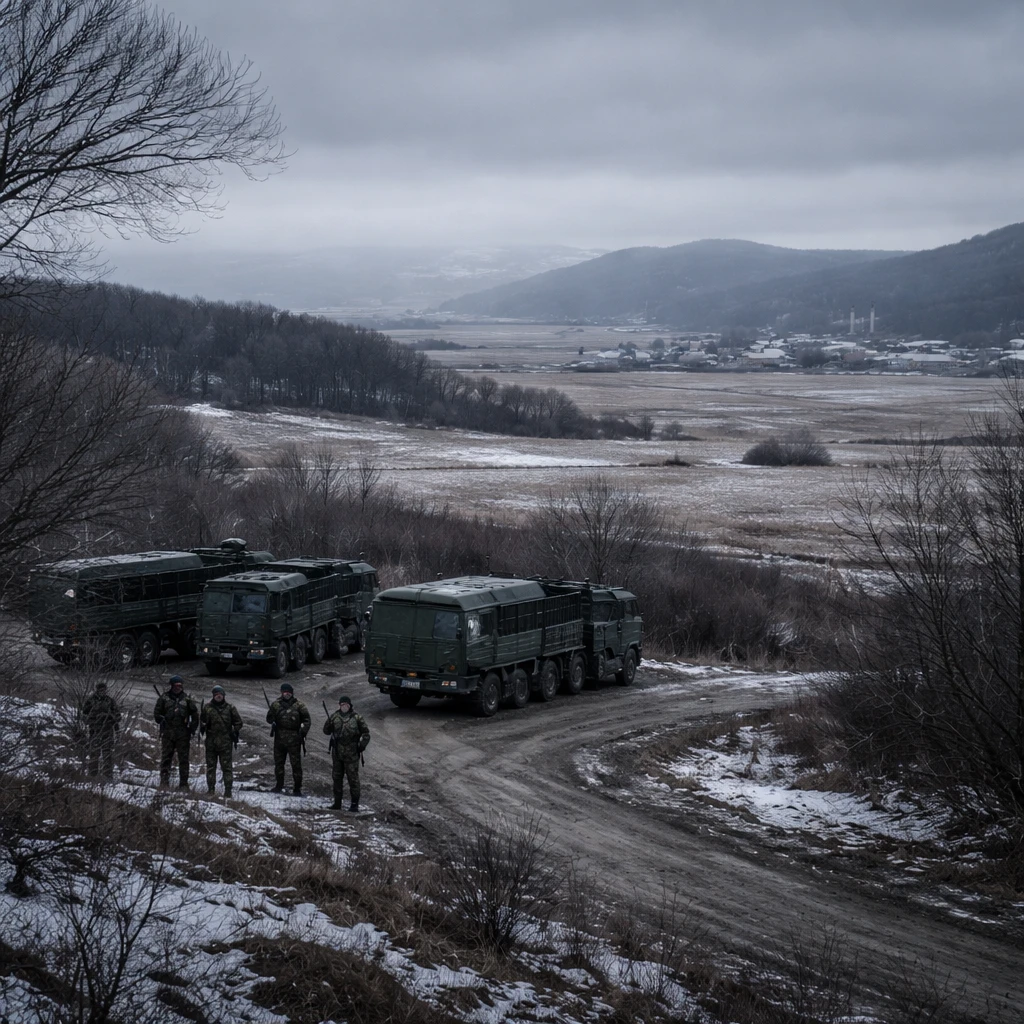
GUR also reported that Pyongyang has not agreed to a Russian request to raise the size of North Korea’s military presence in Russia from roughly 8,500 troops to 50,000. The agency said that units of North Korea’s 11th Corps continue to serve in Russia’s Kursk region, and that since mid-summer a combined missile unit from the North Korean army has been deployed in the Voronezh region, which GUR says Russia is using to strike targets in Ukraine.
The report reiterates earlier findings that North Korea has supplied Russia with weapons since 2023 and with personnel since 2024, including fighters who reportedly engaged Ukrainian forces after an incursion into the Kursk region. GUR noted that such military support provides a rare source of hard currency for North Korea, which faces heavy international sanctions.
GUR said it was informed that Pyongyang suspended cooperation in response to a statement by a Russian deputy foreign minister overseeing Asian relations, who said Moscow had received signals from Seoul about a desire to normalize ties with Russia once the war in Ukraine concluded and that discussions included resuming direct flights.
The intelligence agency also said that diplomatic contacts between Russia and North Korea have continued in recent weeks. It pointed to a recent high-level Kremlin meeting in which Russian President Vladimir Putin received Jo Yong Won, described as one of North Korean leader Kim Jong Un’s closest aides, and where the two men reportedly praised bilateral cooperation.
GUR’s report included an operational note that North Korean forces remain active within parts of Russia used by Moscow to conduct strikes against Ukraine. The agency specifically identified deployments in the Kursk and Voronezh regions and reiterated that a combined missile unit was positioned in Voronezh as of mid-summer.
Separately, the report recalled a statement from Ukrainian President Volodymyr Zelenskiy noting that Russian forces fired KN-23 missiles at a Ukrainian energy facility as recently as November 7. GUR’s disclosure about the temporary suspension of arms deliveries and flights reflects Kyiv’s assessment of a diplomatic rift, while also stating that operational cooperation and deployments persist in parts of Russia.
GUR said an external news organization could not independently verify elements of the Ukrainian intelligence report. The intelligence agency did not immediately answer questions about the locations or contexts in which the remarks attributed to Choe and the Russian deputy foreign minister were made. Officials from Russia’s Defence Ministry and North Korea’s embassies in Russia, London and New York did not immediately provide comment, and South Korea’s Unification Ministry did not immediately respond to a request for comment.
Context and implications
The GUR account describes a pause limited to specific forms of military cooperation, while also documenting continued North Korean personnel and missile deployments tied to Russian operations against Ukraine. The report links the pause to diplomatic friction arising from comments about easing tensions on the Korean peninsula, and it highlights Pyongyang’s sensitivity to Moscow’s public posture on relations with Seoul.