
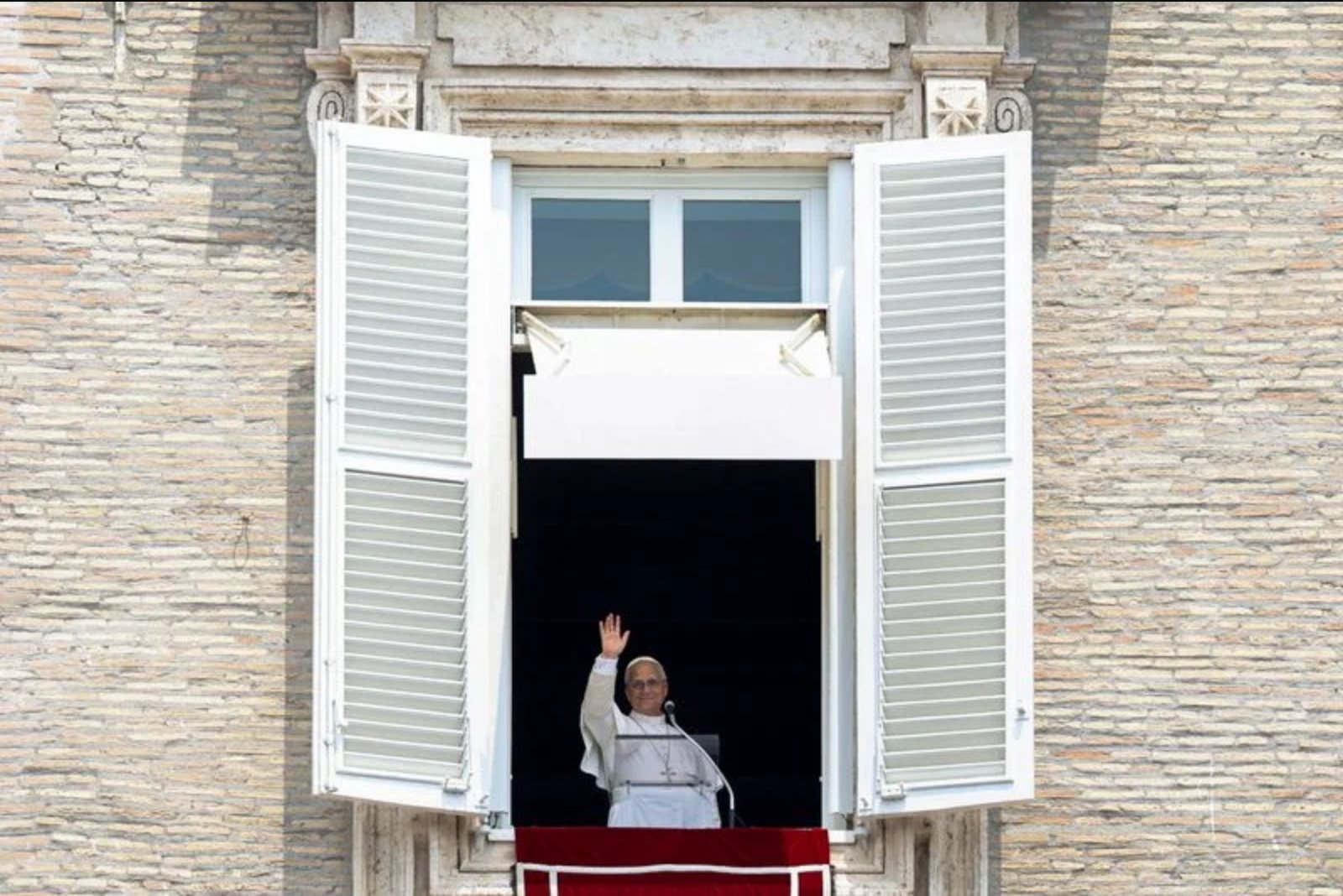
Pope Leo, who during his inaugural Mass last year pledged to seek unity across the Catholic Church and said he would not govern like an "autocrat" over its 1.4 billion members, has nonetheless shown he will take firm disciplinary steps when he deems them necessary. On Thursday the Vatican’s top doctrinal office announced that priests and lay Catholics associated with the Swiss-based Society of St. Pius X (SSPX) are in schism with the wider Church after the group consecrated four new bishops without authorization from the pope.
The announcement from the Vatican, which said the unauthorized ordinations constitute a break with the Church’s canonical order, demonstrates that the pope is prepared to draw definitive boundaries around acceptable conduct and doctrine within Catholicism. Observers familiar with the pontiff’s style said the move is consistent with a leader who prefers conciliation but will act clearly and decisively when core principles are challenged.
"Leo ... is somebody that does not work in blurred lines," said Elise Allen, the author of a biography of Pope Leo for Penguin Peru. "He’s not afraid to be extremely clear or firm when he needs to be." Allen, who is reported to have been the only journalist to interview the pope since his May 2025 election, added that while the pope’s immediate instinct is not confrontation, he will not hesitate to adopt a firm stance when he believes it is required.
The Vatican’s response has been read by analysts as part of a pattern in which the pope, ordinarily cautious about public confrontation, has nonetheless made pointed interventions on matters he considers critical. Massimo Faggioli, a scholar of the papacy, compared the Vatican’s statement to the pope’s recent public criticism of violence in the Iran war - a stance that prompted unprecedented social media attacks from U.S. President Donald Trump after the pope began speaking out more forcefully in April. Faggioli said the pope is generally non-confrontational but acts when he feels compelled to do so.
The Society of St. Pius X rejects central teachings from the Second Vatican Council - commonly called Vatican II - a major gathering of bishops in the 1960s that implemented wide-ranging reforms and sought to improve relations with Jews and other Christian denominations. One prominent change arising from the Council was permission to celebrate Mass in local languages rather than exclusively in Latin; the SSPX opposed that shift, preferring what it sees as the Latin rite’s sense of mystery and formal continuity.
Efforts by popes over several decades to normalize relations between the Vatican and the traditionalist group have taken various forms. Even Pope Francis, who is known for seeking limits on the use of the Latin Mass, at times made gestures toward reconciliation and authorized certain faculties for SSPX clergy - such as hearing confessions on behalf of the Church. Nonetheless, the Vatican’s latest move signals a limit to such outreach.
"He said the time has come to stop bending over backwards and to send a message," Elise Allen said, characterizing the pope’s approach as drawing a clear line: either adhere to the Church as defined by its post-Vatican II teachings or separate from it. The Vatican emphasized that the consecration of bishops without papal approval breaches a fundamental rule of ecclesial order: only the pope can legitimately authorize the consecration of new bishops in order to maintain continuity with the apostles, who are considered the first bishops in Church tradition.
Under Church law, participation in an unauthorized episcopal ordination is so grave that it incurs automatic excommunication - placing those involved "out of communion" with the universal Church and preventing access to sacraments until repentance and reconciliation occur. The Society has argued it needed to ordain new bishops to ensure it had sufficient prelates to lead its communities; the organization reports it has 733 priests worldwide.
David Gibson, a Vatican specialist and academic at Fordham University, said the reforms of the Second Vatican Council profoundly shaped Pope Leo’s formation. Ordained 17 years after the Council concluded, the pope spent decades as a missionary and bishop in Peru, a context where Church leaders were often strong advocates for Vatican II reforms. Gibson said that, to the pope, the SSPX’s actions amount to more than disobedience of the pope - they represent a repudiation of the authority and direction established by the Council.
"At heart he sees this move by the Society ... as opposition to the authority of the Council of the entire church," Gibson said. "That opposition is a red line for him. He is tolerant but not foolish. It’s not just disobeying the pope. It’s about showing contempt for the entire Catholic community and tradition." Gibson’s comments frame the Vatican’s disciplinary step as a defense of the Council’s legacy and the institutional coherence of the global Church.
The Vatican’s declaration on the SSPX, and the broader debate it underscores about liturgy, authority and the meaning of Church unity, will likely reverberate within Catholic communities globally. For now, the ruling marks a decisive exercise of papal authority in defense of norms the pope views as foundational to the Church’s post-conciliar identity.