
Overview
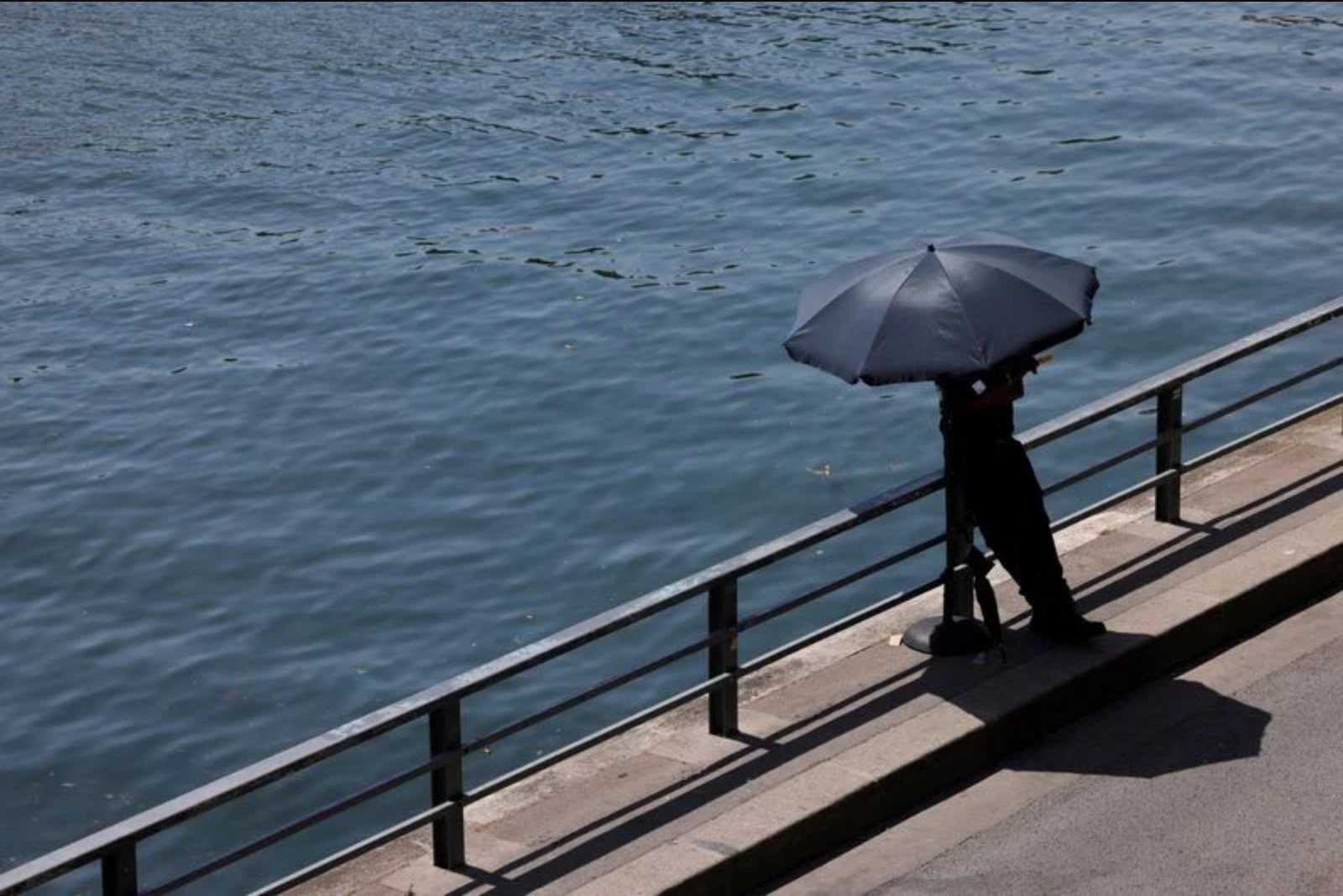
French authorities said on Tuesday that 40 people have drowned in unsupervised waters since the weekend as citizens sought to cool off amid a blistering heatwave sweeping much of Europe. The extreme temperatures are also affecting Britain, Italy, Spain and Belgium, producing disruptions to daily life and business operations.
Fatalities, warnings and emergency responses
Speaking before an emergency meeting on the heatwave, the French prime minister, Sebastien Lecornu, attributed 40 recent drownings to the heatwave that began intensifying on June 18. French sports minister Marina Ferrari acknowledged the appeal of stepping into canals and rivers to escape the heat but cautioned against swimming in unauthorized or hazardous locations.
In a separate, tragic incident in southeast France, first responders could not revive two young children, aged 2 and 4, who were found unconscious by their mother in the family car outside their home, a prosecutor in Carpentras said.
Municipal authorities in parts of Paris have responded by offering alternatives to outdoor exposure. One municipality provided free cinema tickets to residents under 25 and those over 65 to give them access to air-conditioned spaces.
Meteorological drivers
Meteorologists say the current extreme heat is being sustained by a weather pattern known as an Omega block, named for its resemblance to the Greek letter. The configuration produces a bulge of hot air in the centre flanked by cooler air on both sides. That pattern is creating what experts describe as a heat dome - a trapped pool of hot air over western and central Europe that allows temperatures to build day after day.
The World Meteorological Organization has said Europe is warming at a rate more than twice the global average, increasing the likelihood of prolonged heat episodes such as the one currently unfolding.
France: intense heat and behavioural risks
Meteo France placed much of the country under severe heat alert, forecasting widespread temperatures around 40 degrees Celsius and up to 43 degrees in parts of western France on Tuesday. As a result, many people have been cooling off by entering canals and rivers, often in areas without lifeguards or formal supervision.
Authorities reiterated public safety warnings against bathing in unauthorized locations. The pattern of people seeking relief in unsupervised waters has been implicated in the wave of fatalities reported by the prime minister.
Business activity and labour implications
The heat has also affected economic activity. Patrick Martin, head of France’s MEDEF employers group, said on BFM TV that "France is running at a slow pace. Businesses, as far as possible, are implementing recommendations to protect their employees." Employers have been adjusting operations to limit exposure for staff, and shops in parts of Paris reported shortages of electric fans amid surging consumer demand.
In the capital, commuters struggled with the heat while travelling to work. Many used hand-held fans on the metro after hot nights in apartments lacking adequate cooling. Some train services were cancelled, including routes between Paris and Brussels.
Regional impacts across Europe
Italy has issued its highest level of health alert for 15 cities and the government has introduced measures to suspend or reduce work in certain sectors in those areas. Forecasters warned of an additional hazard on Tuesday as storms were expected to develop after hot mornings - forming over the Alps and Apennines with gusty winds, heavy rain and occasional hail, and with some storms potentially moving into the northern plains later in the day.
In Britain, the Met Office forecasted temperatures as high as 37C in southern England for Tuesday - a level that could be a new June record - with further rises expected midweek. Dozens of schools announced they would close early owing to older school buildings being unsuitable for classrooms holding more than 30 children in such heat.
Spain’s weather agency issued red alerts across parts of the country, warning of dangerous heat with forecasts reaching 44C in some areas. Authorities noted a particularly extreme prior day in which temperatures exceeded 45C in Andujar. Overnight readings provided little relief, with roughly 30 monitoring stations still reporting temperatures above 25C in the early hours of Tuesday.
Belgium also reported heat-related disruptions. A primary school in Tervuren, near Brussels, relocated its final exams to a nearby church because classrooms had become too hot. The school posted footage on social media showing pupils sitting on church chairs while taking their tests.
Transport strains and safety measures
Transport infrastructure across Europe faced strain under the extreme conditions. Britain’s Network Rail warned passengers to limit travel to essential journeys on Wednesday and Thursday when temperatures were forecast to peak at 39C. Operators said services could be disrupted or slowed as speed restrictions are imposed to protect rail infrastructure from heat-related damage.
In London, intense thunderstorms overnight caused additional disruption to transport routes, including at Heathrow Airport.
Concluding observations
The confluence of sustained high temperatures, behavioural responses to seek cooling outdoors, and the limits of infrastructure and buildings has created a multi-faceted public safety and economic challenge across western and central Europe. Authorities have combined public warnings, targeted closures and alternative cooling options to reduce health risks and protect workers, while emergency services continue to respond to heat-related incidents.