
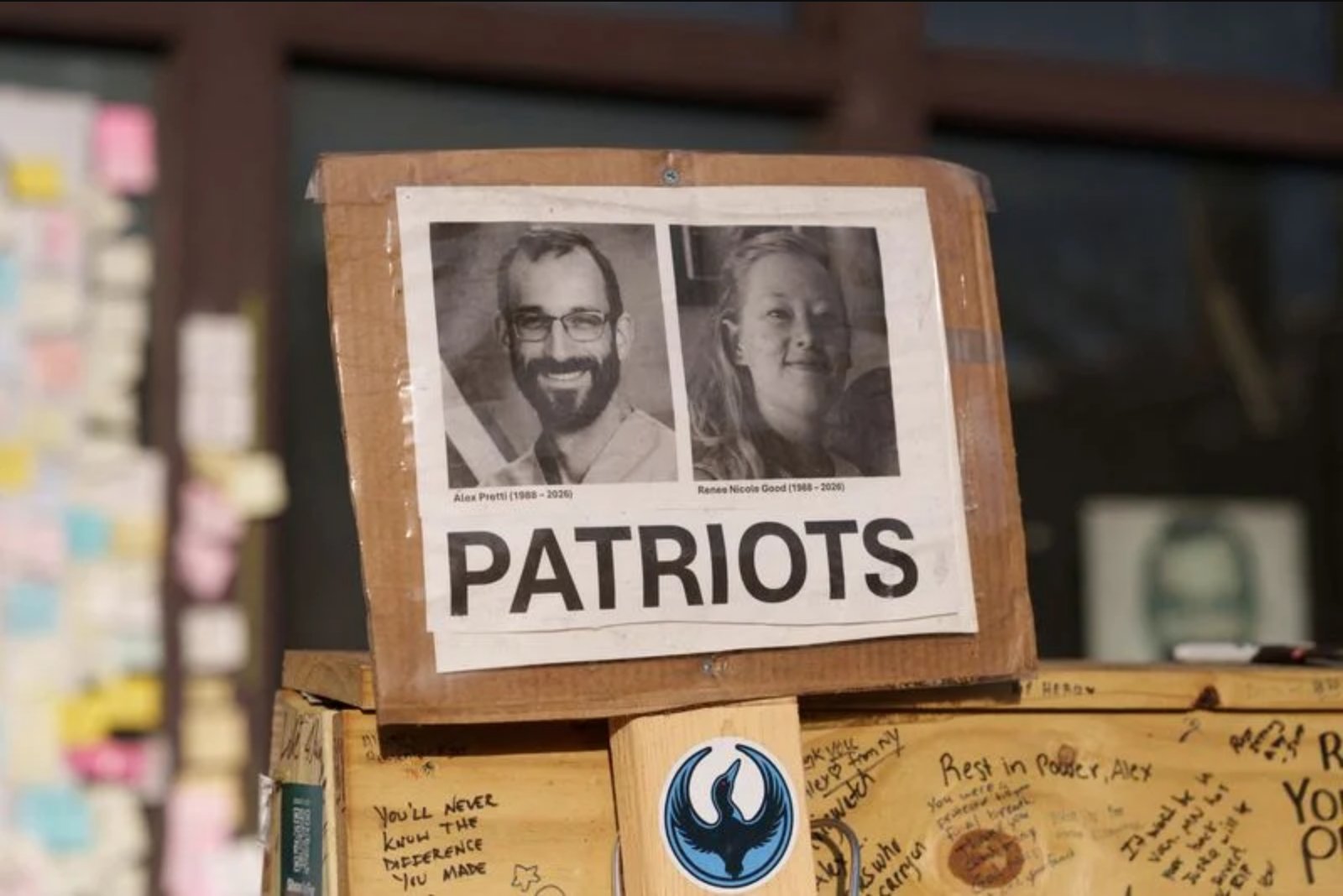
Federal law enforcement agencies have provided Minneapolis-area prosecutors with evidence that had been withheld relating to three shootings that occurred during January deportation operations in Minnesota, local officials said on Monday.
Hennepin County Attorney Mary Moriarty told reporters that the federal government turned over "voluminous" material after roughly six months of discussions, jurisdictional disputes and litigation. Moriarty said the evidence package includes body-worn camera footage from agents, other digital files and the bullet-damaged vehicle of Renee Good.
At a press conference, Moriarty expressed gratitude to federal officials for their willingness to "consider changing course," and emphasized the need for collaboration between federal and local authorities. "We need cooperation. Our community needs it," she said. "Our democracy requires it."
Moriarty said the handover followed discussions with the U.S. Attorney's Office in Minneapolis and the Federal Bureau of Investigation field office there. Representatives of those federal offices did not provide comment on Monday, according to Moriarty.
The three shootings occurred during a winter operation known as Operation Metro Surge, when hundreds of armed immigration agents conducted sweeps in Minnesota cities. On January 7, an Immigration and Customs Enforcement agent fatally shot Renee Good while she was in her vehicle. On January 14, an ICE agent shot Venezuelan citizen Julio Sosa-Celis in the leg, wounding him. Sosa-Celis survived, and Moriarty's office has already brought charges in that case. ICE agent Christian Castro has been indicted under Minnesota law on four counts of second-degree assault and one count of falsely reporting a crime for the Sosa-Celis shooting.
Border Patrol agents fatally shot Alex Pretti on January 24 during street demonstrations. Both Good and Pretti were U.S. citizens. Moriarty said her office remains in the process of investigating the shootings of Pretti and Good and has not yet announced whether state charges will be filed against the federal agents involved.
State officials had sought the evidence from the federal government earlier, but federal leaders declined those requests, saying that investigations of federal agents should proceed within federal channels through the U.S. Department of Justice and the Department of Homeland Security. Federal officials also asserted that the agents had broad immunity from state prosecution, a position Moriarty said was incorrect. After Good's killing, federal law enforcement abruptly curtailed its routine evidence-sharing with state authorities, and the state filed a lawsuit against the federal government to obtain the material.
The litigation brought by the state remains active. Moriarty suggested the lawsuit could potentially be settled once her office has fully reviewed the evidence now in hand.
Legal experts and prosecutors note that pursuing state criminal cases against federal law enforcement agents is uncommon and legally complicated. The U.S. government can seek to have state criminal proceedings transferred to federal court if the Department of Justice argues that the agent was performing duties within the scope of federal authority, a procedural mechanism that can affect the trajectory of prosecutions.
In response to public outcry over the January shootings, the Trump administration announced in February that it was ending the broad deportation surge in Minnesota and would refocus on more targeted enforcement actions rather than mass sweeps.
Incidents involving federal immigration agents have continued in other parts of the country. Last week, federal officials said an ICE agent fatally shot Lorenzo Salgado Araujo, a Mexican national, during a traffic stop in Houston. Separately, on Monday a person was shot dead during an encounter with U.S. immigration agents in Biddeford, Maine.
What happens next
- Prosecutors in Hennepin County will review the newly received evidence as they continue investigations into the killings of Renee Good and Alex Pretti.
- The state lawsuit against the federal government over the prior withholding of evidence remains pending, though Moriarty indicated it might be resolved after the evidence review.
- If state charges are pursued, the U.S. government has the legal option to seek transfer of those cases to federal court if it contends the agents acted within the scope of federal duties.