
Commodities July 13, 2026 06:30 PM

Trump: U.S. Striking Iran Capabilities Tied to Strait of Hormuz

President says U.S. is targeting Iranian assets linked to Hormuz; possibility of Iranian drones in Cuba under review

By Sofia Navarro
Share
Twitter Reddit Facebook LinkedIn

President Donald Trump said on July 13 that the United States is striking Iranian capabilities related to the Strait of Hormuz while U.S. forces are reported to be launching fresh strikes. He also indicated that a negotiated settlement with Tehran has not been ruled out and raised the possibility that Iran may have drones in Cuba, which U.S. officials are investigating.

Trump: U.S. Striking Iran Capabilities Tied to Strait of Hormuz
Summarize with
ChatGPT Perplexity Claude Grok Gemini

Key Points

  • U.S. military announced fresh strikes against Iran, with the president saying actions are aimed at Iranian capabilities related to the Strait of Hormuz - sectors potentially sensitive include maritime shipping and energy transportation given the strait's strategic role.
  • President Trump said he had not decided that a negotiated settlement with Tehran was impossible, indicating both military and diplomatic tracks are being referenced by the administration - this dual approach may affect market sentiment in defense and geopolitical risk-sensitive sectors.
  • The president raised the possibility that Iran might have drones in Cuba and said U.S. authorities are investigating that claim - this development has implications for regional security assessments and defense monitoring activities.

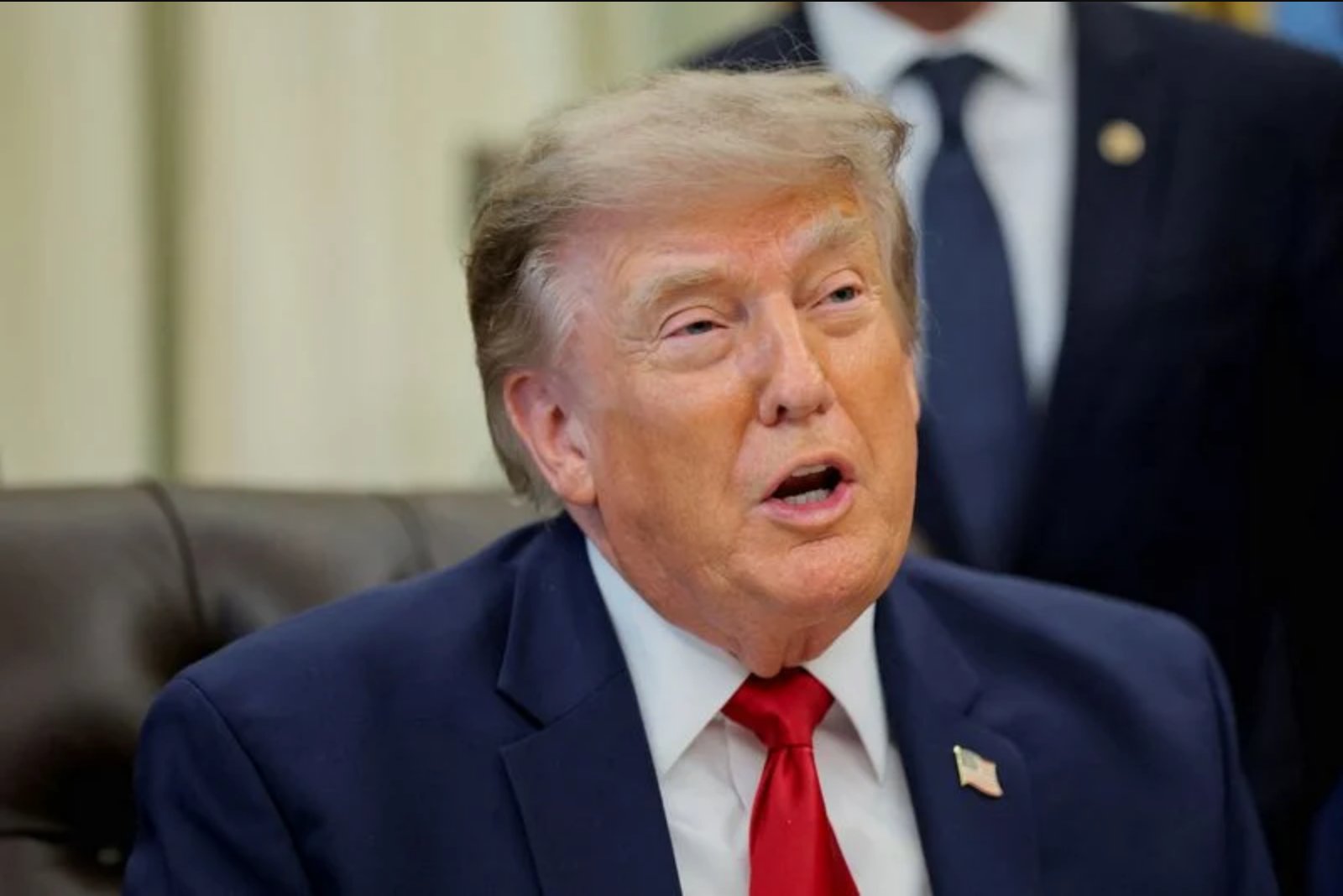
WASHINGTON, July 13 - President Donald Trump told reporters on Monday that the United States was attacking Iran's capabilities connected to the Strait of Hormuz amid renewed military action between the two countries.

The U.S. military said on Monday it was launching fresh strikes against Iran. Speaking from the Oval Office, the president said he had not concluded that a negotiated settlement with Tehran could not be reached, leaving open the possibility of diplomatic resolution even as military operations continue.

Mr. Trump also raised concerns about the possible presence of Iranian unmanned aerial vehicles in the Western Hemisphere. "If they do have that, and they might very well have that, we'll take care of it," he said. "We're not going to have a problem. We're not going to allow that to happen so it could be that they are storing some. We're looking into it now."

Context and developments

The president's remarks came as U.S. forces reported renewed strikes against Iranian targets. The comments linked those military actions to capabilities related to the Strait of Hormuz, a maritime chokepoint referenced by the administration in explaining the focus of U.S. operations. At the same time, the president left open the option that diplomacy could still play a role in resolving tensions with Tehran.

Statements from the White House

In the Oval Office exchange with reporters, Mr. Trump balanced the announcement of military action with a note that a negotiated outcome had not been dismissed. He further flagged an investigation into reported Iranian drones possibly located in Cuba, saying U.S. authorities are looking into that matter.

Implications noted by officials

The information released on Monday centered on two principal claims: that U.S. forces were conducting new strikes against Iran, and that the strikes targeted Iranian capabilities tied to the Strait of Hormuz. Officials also emphasized ongoing inquiries into the potential storage or deployment of Iranian drones outside the Middle East, including the possibility of assets in Cuba, as described by the president.


Summary

On July 13, President Trump said the United States was targeting Iran's capabilities linked to the Strait of Hormuz while U.S. military forces were reported to be launching fresh strikes. He indicated that a negotiated settlement with Tehran had not been ruled out and mentioned an inquiry into whether Iran had drones in Cuba.

Risks

  • Renewed military action between the United States and Iran, as reported, represents an elevated security risk with potential impacts on global markets sensitive to geopolitical tensions, including energy and shipping.
  • Uncertainty over the presence of Iranian drones in Cuba, as noted by the president, creates an intelligence and security unknown that could influence defense sector activity and regional diplomatic relations.
  • Unclear outcome of diplomatic efforts - the president said he had not decided that a negotiated settlement could not be reached with Tehran, leaving open an uncertain trajectory for conflict escalation or de-escalation that could affect risk-sensitive assets.

More from Commodities

Corn Prices Tick Up as Heat Threatens U.S. Crops and Middle East Tension Boosts Oil Jul 13, 2026 Saudi Air Defences Intercept Houthi Ballistic Missiles After Accusations Over Sanaa Airport Strike Jul 13, 2026 House Set to Vote on Whether U.S. Will Stop Switching Clocks Twice a Year Jul 13, 2026 Strait of Hormuz Transit Falls to Two-Month Low as U.S.-Iran Exchanges Raise Safety Concerns Jul 13, 2026 Tanker Transits Through Strait of Hormuz Fall to Two-Month Low Amid Renewed Military Activity Jul 13, 2026