
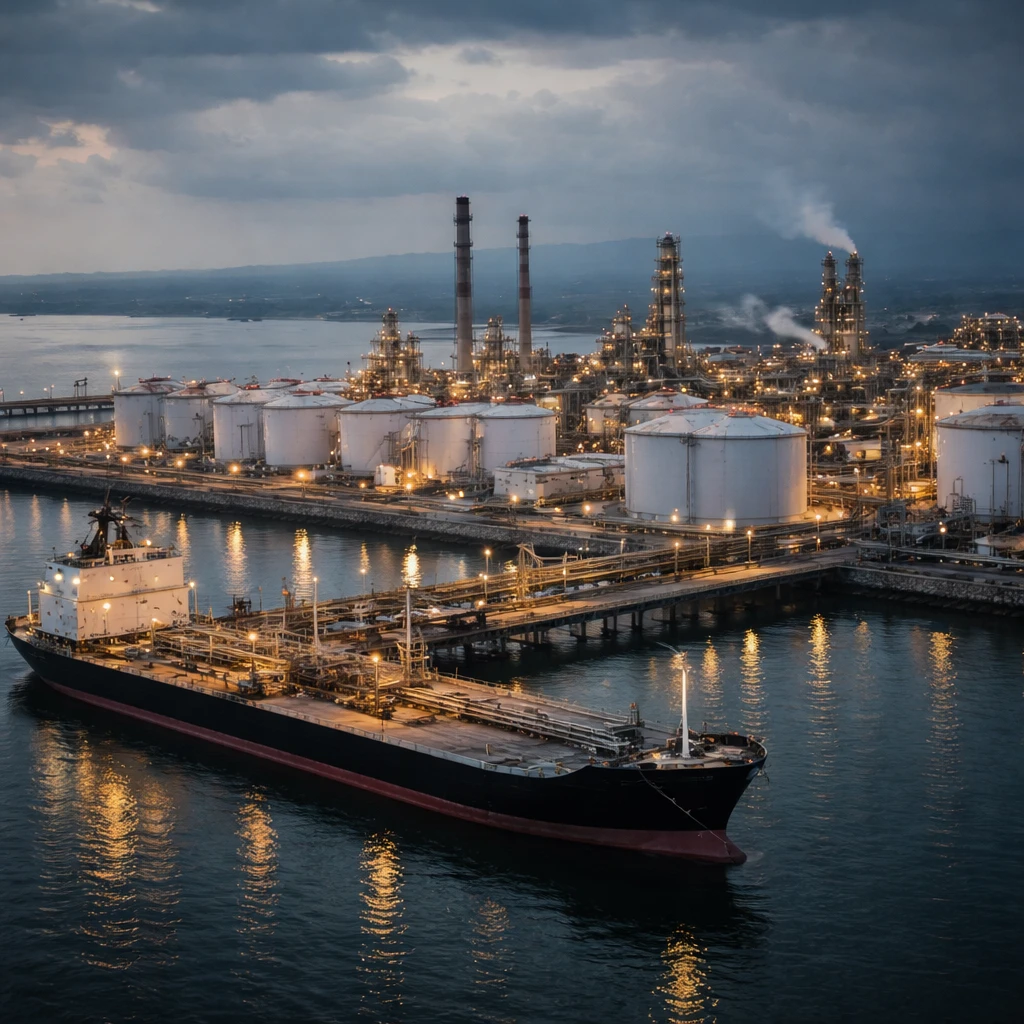
The European Union has placed a transaction ban on the Kulevi oil refinery in western Georgia, citing the facility’s processing of crude oil originating from Russia. The measure is included in the EU’s 21st package of sanctions related to Russia’s war in Ukraine and marks the first time the bloc has targeted a major Georgian company in its widening effort to restrict channels that bolster Russia’s oil revenue.
The prohibition on dealings with Kulevi will become effective in six months, according to the EU measure. The refinery sits on Georgia’s Black Sea coast and drew heightened attention last October when Russian company Russneft began delivering crude shipments to the site.
Ownership and operations of the Kulevi refinery are held by Black Sea Petroleum. The company did not reply to a request for comment regarding its listing under the sanctions.
Georgia’s foreign ministry issued a statement expressing concern over Kulevi’s inclusion on the EU list and saying it was taking ‘‘all measures to ensure Georgia was not being used to bypass sanctions.’’ The ministry added that Georgia remains prepared to work with European Union institutions and to provide any necessary information, the statement said via the Interpress news agency.
The decision is notable for extending the EU’s sanctions reach beyond Russia’s borders to entities in third countries that are perceived as facilitating the flow of Russian crude through international markets. The six-month delay before the ban takes effect provides a window in which affected parties can respond to the new restriction, though the measure establishes a clear timeline for when transactions with the refinery will be prohibited.
This action represents a new phase in the EU’s sanctions strategy by directly naming a prominent non-Russian company and signals heightened scrutiny of cross-border energy transactions tied to Russian sources. Georgian officials have publicly signaled cooperation with EU institutions as they address the implications of the listing.