
Cuban authorities have publicly rebuked a succession of U.S. remarks they view as threats of military intervention and have linked those statements to an ongoing U.S.-driven oil blockade that has dramatically reduced fuel shipments to the island, aggravating an existing energy crisis.
Foreign Minister Bruno Rodriguez used a social media post late on Tuesday to accuse the United States of "hinting at a military action" to "liberate" Cuba, calling the posture hypocritical and cynical. In that same post he pointed to decades of U.S. sanctions as the fundamental reason for the island's economic and social difficulties.
"The threat of a military attack and the aggression itself are international crimes," Rodriguez wrote.
Earlier on Tuesday, U.S. Secretary of State Marco Rubio told reporters the current state of affairs in Cuba was unacceptable and said the United States would "address it," although he did not offer a timetable for any actions. Rubio's remarks were shared on social media alongside images showing the U.S. embassy's chief of mission in Havana, Mike Hammer, walking with Rubio and General Frank Donovan of the U.S. Southern Command, which is responsible for U.S. military operations in the Caribbean region. A separate image posted by the U.S. military depicted Rubio shaking hands with Donovan in front of a map of Cuba.
The Trump administration has escalated pressure on Havana this year, taking measures that include halting shipments of oil from Venezuela - long Cuba's principal supplier - and warning it may sanction any country that supplies the island with oil. In that context, U.S. President Donald Trump said he would permit a single Russian tanker to deliver fuel to Cuba for "humanitarian reasons," a quantity that officials say covers only a fraction of the country's needs for roughly four months.
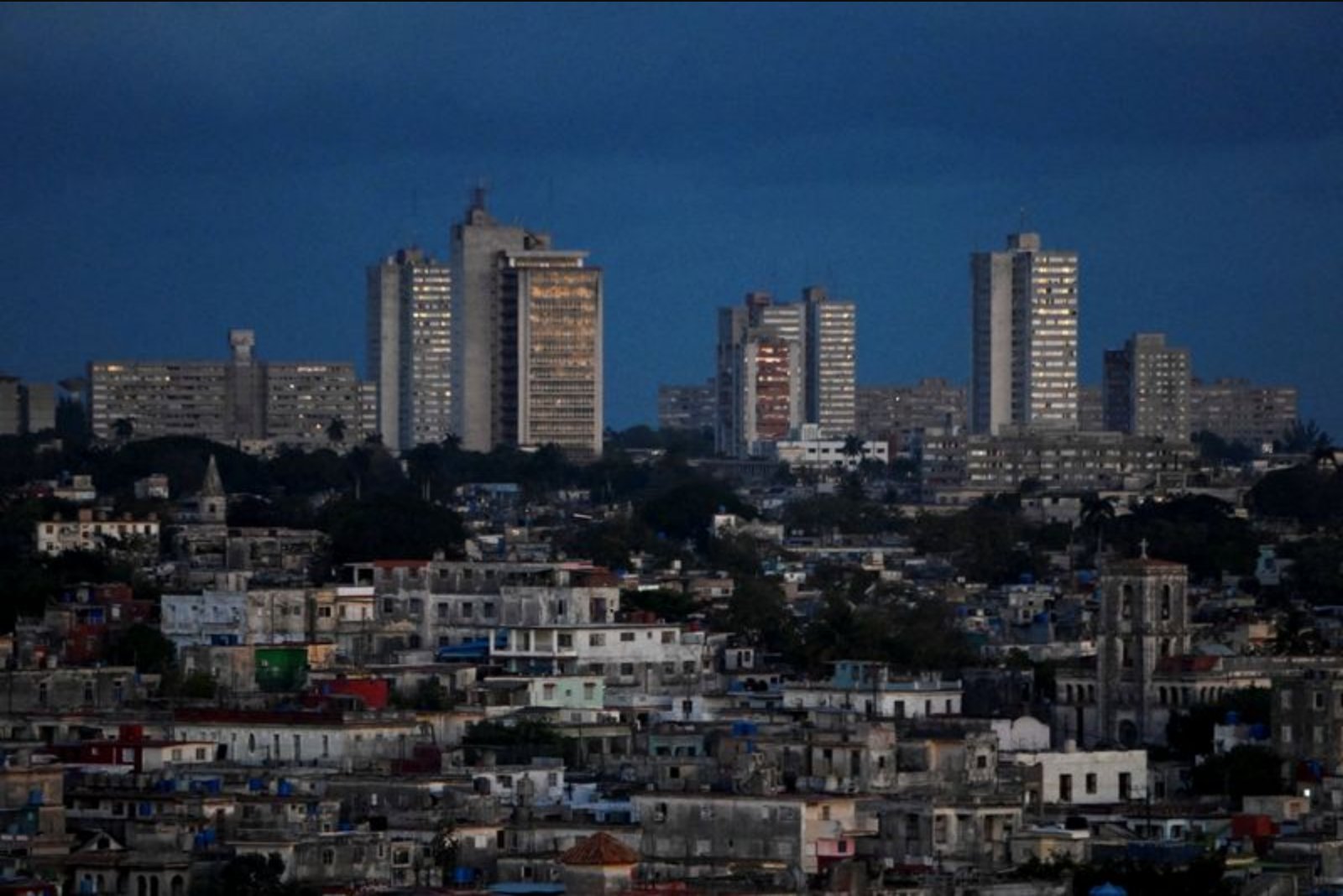
As supplies of the Russian-delivered oil dwindled, Havana returned this week to a pattern of frequent, hours-long blackouts. The power interruptions have left many residents apprehensive about the onset of a long, hot Caribbean summer, according to the Cuban accounts of the situation.
Trump also made comments at a private event on Saturday in which he appeared to joke about the possibility of stationing an aircraft carrier off Cuba to compel the island's surrender. Cuban President Miguel Diaz-Canel described those remarks as "a dangerous escalation and (one) without precedents." He added: "No aggressor, no matter how strong, will be met with surrender in Cuba."
The exchanges highlight a convergence of diplomatic rhetoric and measures affecting energy flows to Cuba. Cuban officials have framed both the public statements and the oil restrictions as interconnected pressures that have intensified domestic economic strain and produced tangible impacts on daily life.
For now, officials on both sides have issued forceful public positions without specifying next steps or precise timelines for further measures.