
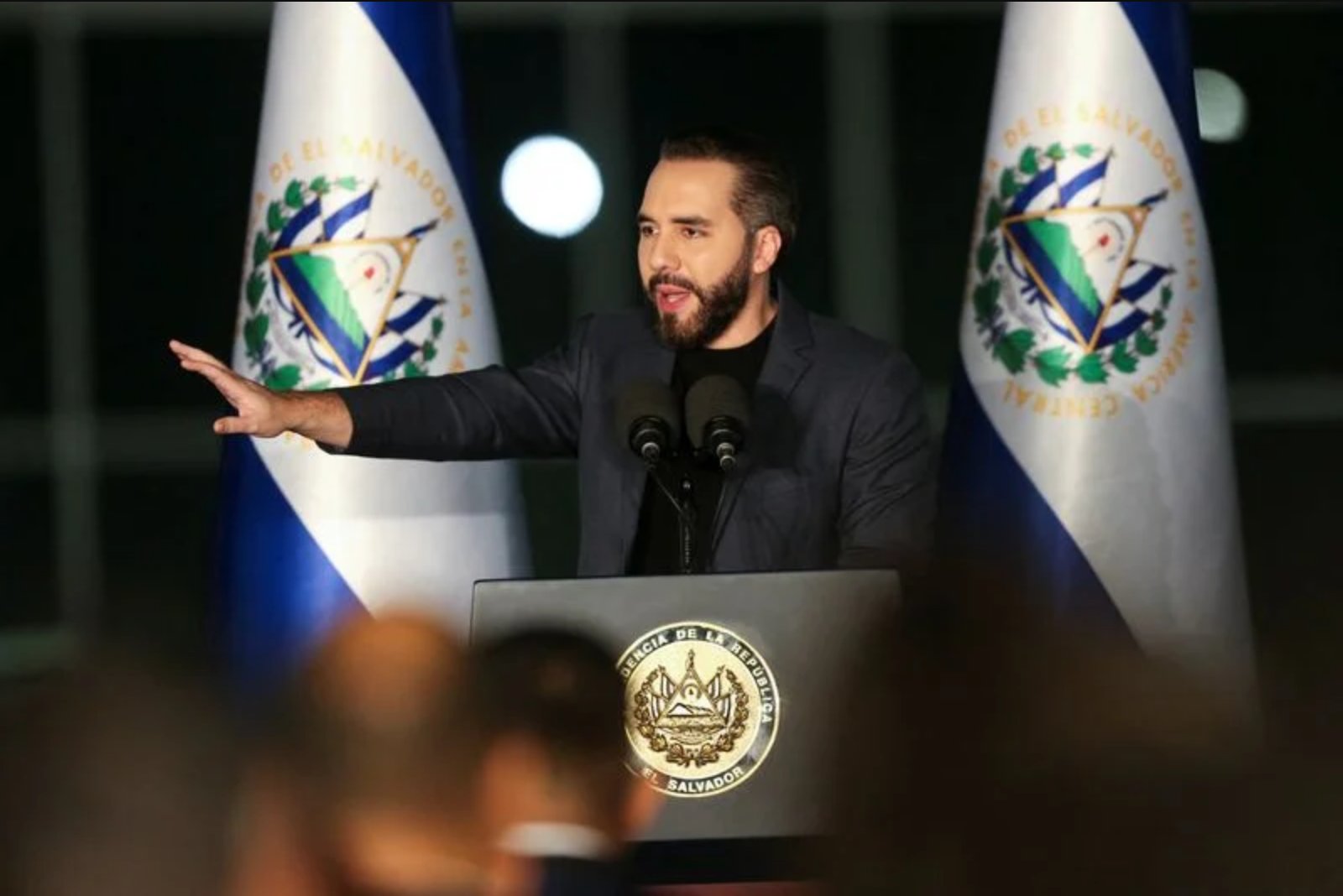
El Salvador’s president has taken the next step toward pursuing additional time in office after allies in the legislature altered the constitution to permit further re-election. President Nayib Bukele has registered to seek the nomination of the ruling Nuevas Ideas party for the 2027 presidential race, the party’s leader said on Sunday.
The move follows legal changes that opened the way for Bukele to serve beyond his current tenure. Bukele first assumed the presidency in 2019 and is now in a second term that was made possible by prior legal adjustments. In December he signaled openness to remaining in office for an extended period, saying he could stay for another decade.
Xavi Zablah, who leads Nuevas Ideas and is a cousin of the president, confirmed the registration on the social platform X late on Sunday. Zablah wrote:
"We are ready,"
Vice President Felix Ulloa also completed registration to seek another term, doing so alongside Bukele. Both men are scheduled to participate in the party primary on July 12. Party officials and observers noted that the pair are expected to encounter no challengers in that internal contest.
El Salvador’s general election is due in February next year. A key sequence of legal changes occurred last July when lawmakers allied with the ruling party approved a constitutional amendment that shortened Bukele’s current term, which began in 2024, and allowed him to run for a fresh six-year term to commence next June. In the same legislative vote, lawmakers removed prior constitutional limits on presidential re-election by approving indefinite re-election.
If Bukele wins election under the new rules, he would remain in office until 2033. The president, who will turn 45 in July, continues to register high levels of public approval and strong polling, according to reporting, a popularity that has been attributed in large part to a state of emergency in place since 2022 that has coincided with a sharp decline in homicides.
Key factual points from the registration and constitutional changes are laid out clearly by party leaders and legislative actions. The coming weeks will include the party primary on July 12 and the national vote scheduled for February, under the legal framework established by last July’s congressional amendment.