
Stock Markets June 2, 2026 01:22 AM

Trump Lowers Some Section 232 Tariffs on Steel, Aluminum and Copper Derivatives

Proclamation cuts selected duty rates to 15% for specified machinery and equipment, effective June 8 and lasting through 2027

By Sofia Navarro
Share
Twitter Reddit Facebook LinkedIn
HG

The White House announced a presidential proclamation amending Section 232 national security tariffs to reduce duties on certain steel, aluminum and copper derivative products to 15% from 25%. The change covers specified agricultural machinery, residential HVAC equipment and mobile industrial machinery imported from qualifying trade deal countries. The revised tariffs take effect for goods imported or removed from bonded warehouses at midnight on June 8 and will remain in force until December 31, 2027, the administration said.

Trump Lowers Some Section 232 Tariffs on Steel, Aluminum and Copper Derivatives
HG

Key Points

  • The president signed a proclamation amending Section 232 national security tariffs on certain steel, aluminum and copper derivative products.
  • Tariffs on some steel and aluminum derivative products, including specified agricultural machinery and residential HVAC equipment, are reduced from 25% to 15%.
  • Mobile industrial equipment such as bulldozers and forklifts imported from qualifying trade deal countries will face a 15% tariff; changes take effect midnight on June 8 and remain until December 31, 2027.

President Donald Trump signed a proclamation on Monday that modifies Section 232 tariffs on a subset of imports tied to steel, aluminum and copper, according to a statement posted on the White House website. The action narrows the higher national security tariffs that have applied to certain downstream products.

The proclamation lowers the tariff rate on some steel and aluminum derivative goods from 25% to 15%. The White House specifically cited categories that include certain types of agricultural machinery and components used in residential heating, ventilation and air conditioning systems.

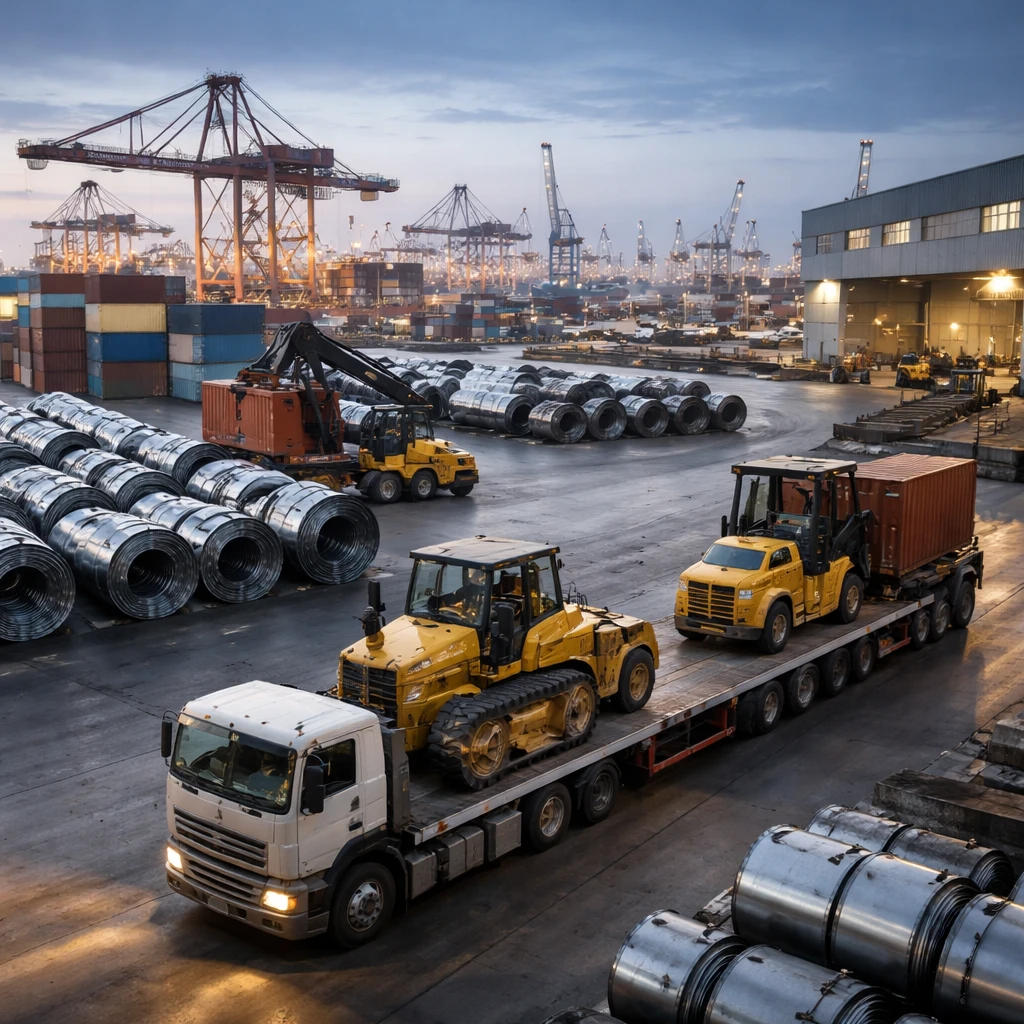
In addition, the administration said mobile industrial equipment - examples provided include bulldozers and forklifts - will be subject to a 15% tariff when these items are imported from countries that qualify under existing trade deal provisions that the proclamation recognizes for preferential treatment.

The tariff adjustments will apply to qualifying shipments imported or withdrawn from bonded warehouses beginning at midnight on June 8. The statement noted that the reduced rates will remain in place through December 31, 2027, with the stated goal of encouraging near-term investments to help rebuild the nation’s industrial base.

The White House framed the changes as temporary measures linked to an investment objective, specifying the December 31, 2027 end date. The proclamation records the new effective date and the scope of goods covered, but it does not provide additional detail in the statement about further implementation steps or monitoring mechanisms.


What this means for affected sectors

  • Manufacturing and heavy equipment sectors that import parts or finished machinery may see lower tariff costs on specified products covered by the proclamation.
  • Residential HVAC and agricultural machinery manufacturers and distributors are explicitly mentioned as categories included in the reduced tariff list.
  • Trade flows for mobile industrial equipment imported from qualifying trade deal countries will be affected by the recalibrated 15% duty rate.

The proclamation is presented as a near-term policy change intended to influence investment decisions through a set expiration date. The White House emphasized the objective of spurring investments that will contribute to rebuilding the industrial base, but the statement does not attach quantitative targets or evaluation criteria to measure that outcome.

Risks

  • The proclamation states the tariff reduction is intended to spur near-term investments to rebuild the industrial base, but the statement does not provide measurable benchmarks or guarantees that investment will follow - this leaves the policy outcome uncertain, particularly for manufacturing and infrastructure sectors.
  • Timing risk around the effective date - the new tariff rates apply to goods imported or withdrawn from bonded warehouses at midnight on June 8, which could create logistical and inventory timing challenges for importers and distributors in affected sectors.
  • The tariff reductions are limited in duration through December 31, 2027, creating policy horizon risk for capital-intensive industries such as construction equipment, HVAC manufacturing and agricultural machinery that must plan around a temporary duty structure.

More from Stock Markets

U.S. Officials and OpenAI Continue Talks on Possible Federal Equity Stake Jun 5, 2026 Marvell Options Activity Peaks at 605,010 Contracts as Large Spreads and Calls Dominate Flow Jun 5, 2026 TerraVest Shares Plummet After Regulator Alleges Insider Tips Around Entrans Deal Jun 5, 2026 Options Volume in Mondelez Surges to 3,842 Contracts in Midday Session Jun 5, 2026 Options Volume in Strategy Inc. Surges to 952,761 Contracts by Mid-Afternoon Jun 5, 2026