
Commodities June 5, 2026 03:28 PM

Rosatom says Ukrainian drone struck demining crew near Zaporizhzhia, injuring engineers

Incident reported at start of IAEA-brokered ceasefire as teams worked to restore external power to the plant

By Leila Farooq
Share
Twitter Reddit Facebook LinkedIn

Russia’s state nuclear company Rosatom reported that a Ukrainian drone deliberately hit engineers clearing mines around the Russian-held Zaporizhzhia nuclear power plant, wounding multiple personnel at the outset of a ceasefire arranged by the IAEA to repair the facility’s external power lines. The IAEA has been informed and called for military restraint while the plant remains reliant on backup generators after damage to its power feeds.

Rosatom says Ukrainian drone struck demining crew near Zaporizhzhia, injuring engineers
Summarize with
ChatGPT Perplexity Claude Grok Gemini

Key Points

  • Rosatom reported a deliberate drone strike on engineers demining around the Russian-held Zaporizhzhia nuclear power station, injuring multiple personnel - impacts energy sector and utilities.
  • The incident occurred at the start of an IAEA-brokered ceasefire intended to restore the plant's main external power line - relevant to power infrastructure and nuclear safety oversight.
  • The plant is operating without generating electricity and is relying on diesel generators after both external power lines were taken out following attacks on substations - implications for backup power and operational stability.

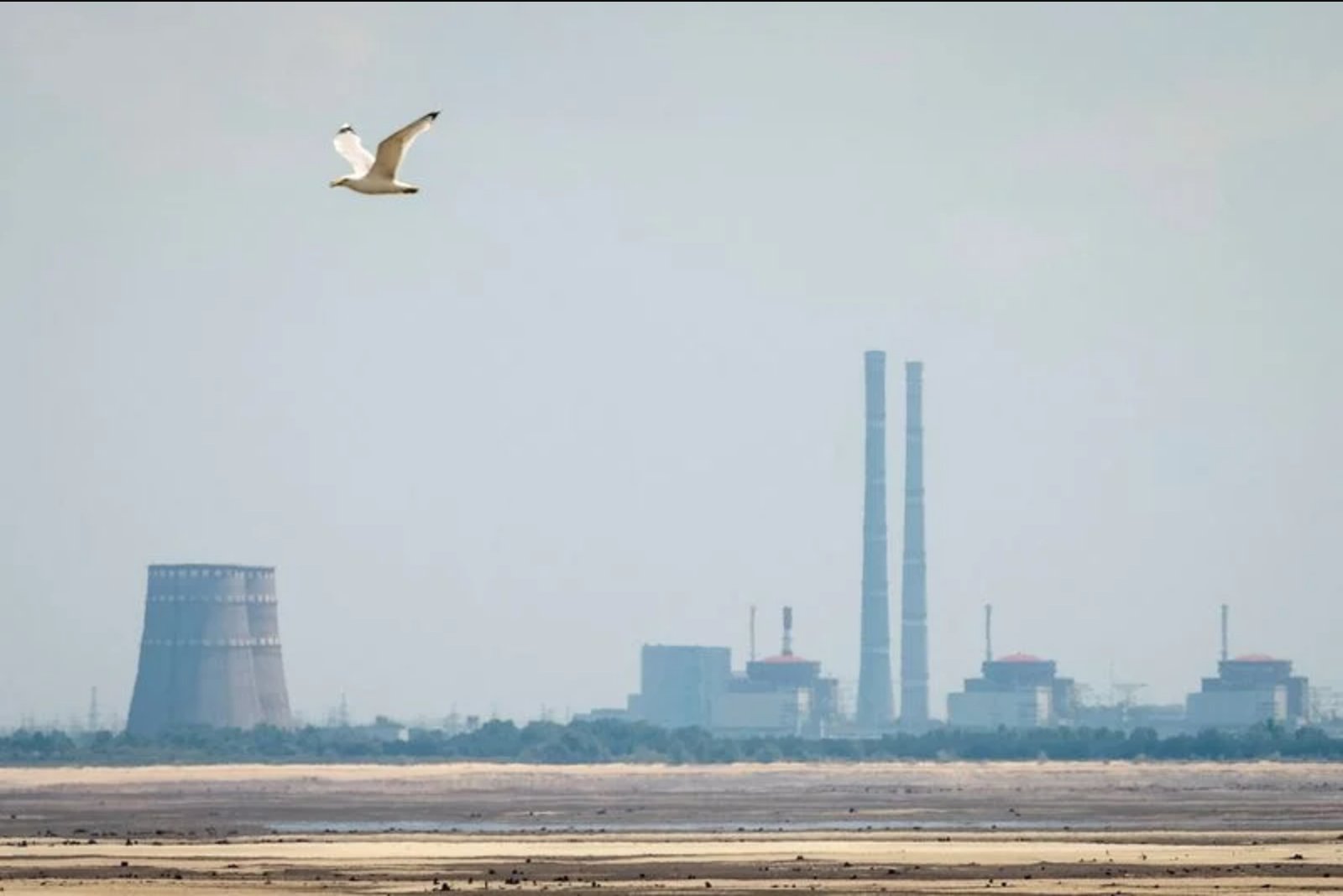
June 5 - Russia’s nuclear energy corporation Rosatom said a Ukrainian drone deliberately struck engineers engaged in demining operations in the vicinity of the Russian-held Zaporizhzhia nuclear power station, injuring at least three people.

According to Rosatom, the incident occurred at the start of a ceasefire around the facility, a pause negotiated by the International Atomic Energy Agency to enable teams to restore the plant’s main external power line. In comments posted on social media, Rosatom head Alexei Likachev described the attack as intentional.

"The strike was clearly calculated," Likachev said. "Three of our engineers were injured. Two are in serious condition."

In a separate Rosatom statement, the company said five people were hurt in the incident. The International Atomic Energy Agency said it had been informed of the event by the plant’s Russia-installed management. IAEA Director General Rafael Grossi, writing on X, urged maximum military restraint and full compliance with the ceasefire.

There was no immediate comment from Ukraine.


The Zaporizhzhia facility, which has six reactors and is Europe’s largest nuclear power station by reactor count, was taken by Russian forces in the early weeks of Moscow’s invasion of Ukraine. Since its capture, each side has accused the other of conducting military actions that jeopardize nuclear safety.

Rosatom’s account follows a separate accusation from the plant’s Russia-installed management, which on the previous day said Ukraine had deployed more than 20 drones to attack a nearby thermal power plant that is important for supplying the nuclear site with external electricity. The nuclear plant itself is not producing electricity but relies on external power to prevent nuclear fuel from overheating.

The ceasefire in question was the sixth negotiated since late last year to allow for repairs to the power lines feeding the plant. The IAEA said the plant’s second external power line was also out of service after what it described as attacks on two electrical substations located on the opposite bank of the Dnipro River from the nuclear site.

With both external lines impaired, the facility was depending on diesel generators, the IAEA added, the same temporary measure it used for a month last year under similar circumstances.


The situation highlights ongoing concerns about both the physical security of personnel working at and around the plant and the integrity of the electrical infrastructure the site depends on to maintain safe conditions for stored nuclear fuel. The IAEA has emphasized the need for restraint and adherence to ceasefire commitments as repairs proceed.

Risks

  • Physical harm to personnel involved in demining and repairs, which may slow restoration efforts and increase operational risk at the nuclear facility - affects workforce safety and project timelines in the utilities sector.
  • Loss of external power lines forces reliance on diesel generators, raising the risk of fuel dependency and potential cooling challenges for stored nuclear fuel - affects energy reliability and nuclear safety.
  • Uncertainty over responsibility for the attacks, underscored by the absence of an immediate comment from Ukraine, creates ambiguity that could complicate ceasefire adherence and repair operations - impacts conflict-related security and infrastructure restoration.

More from Commodities

Alaska Arctic lease sale draws minimal bids, nets $3.7 million for five tracts Jun 5, 2026 US Rig Count Rises for Seventh Week, Reaches Highest Level Since May 2025 Jun 5, 2026 Screwworm Detection in La Pryor Puts South Texas Ranching on Alert Jun 5, 2026 Northwest European Gasoline Margins Lifted by Inventory Draw, Trading Activity Remains Robust Jun 5, 2026 Texas Grid Spots Reliability Failures as Data Hubs and Crypto Sites Trip During Tests Jun 5, 2026