
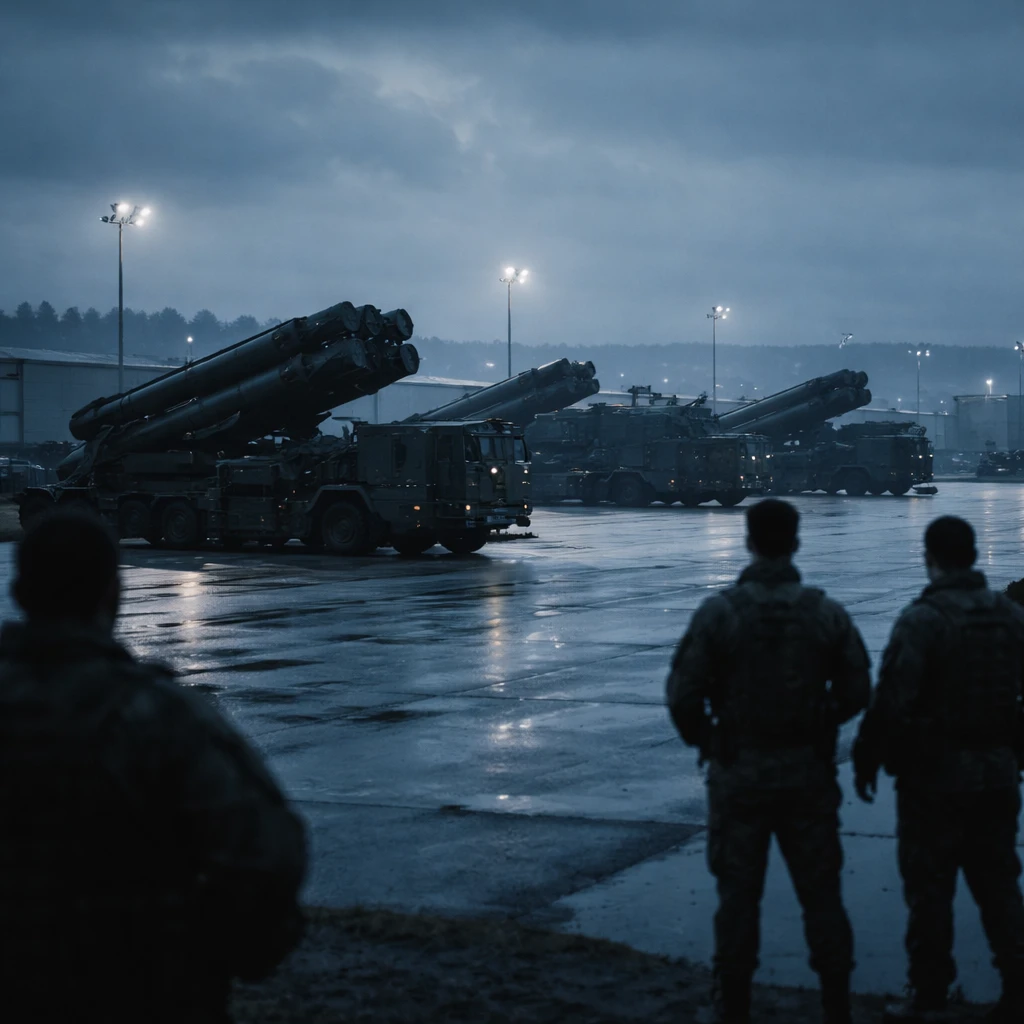
U.S. defense leadership is expected to rescind a previously advanced plan to provide Tomahawk cruise missiles to Germany, in part because of apprehension that Russia would regard such a deployment as a significant escalation, according to reporting that cited European and American officials. If implemented, the move would overturn an agreement that had been in place since the Biden administration.
Officials in Washington are concerned that placing precision-guided Tomahawk missiles in central Europe would prompt a retaliatory response from Moscow. The anticipated cancellation would leave German authorities without the missile capability they have been seeking to strengthen their defensive posture.
The potential rollback of the Tomahawk deployment fits into a larger pattern of U.S. pullback from certain NATO commitments. That pattern has included called-off plans to deploy thousands of additional U.S. troops to Germany and intentions to withdraw specific assets. U.S. officials are reported to be mindful of the strain on American munitions inventories after extensive use of Tomahawk and Patriot missiles in the initial weeks of the Iran war.
For German leaders, the likely reversal is particularly unwelcome as they accelerate efforts to rebuild and modernize forces that officials describe as having atrophied. Berlin has been vocal about needing enhanced capabilities to serve as a deterrent against Russian aggression, and the absence of the planned Tomahawk support would be a setback to those efforts.
German Chancellor Friedrich Merz said last month that he did not expect the United States to station Tomahawk missiles in Germany because of limited availability of the cruise missiles. That statement underscored both the German desire for additional defensive assets and the U.S. constraints that appear to be driving the reassessment.
Context and implications
- The expected cancellation would reverse a previously planned transfer of Tomahawk missiles to Germany.
- U.S. concerns about provoking a Russian response are reported to be a central factor in the decision.
- The move is part of a broader pattern of reduced U.S. deployments and asset commitments to NATO, and comes amid reported concerns about munitions stockpiles.
Details remain tied to official determinations in Washington, and the reported intentions reflect assessments cited by the officials who discussed the matter. The consequences for German defense modernization plans and NATO force posture will depend on subsequent policy decisions by U.S. and allied leaders.