
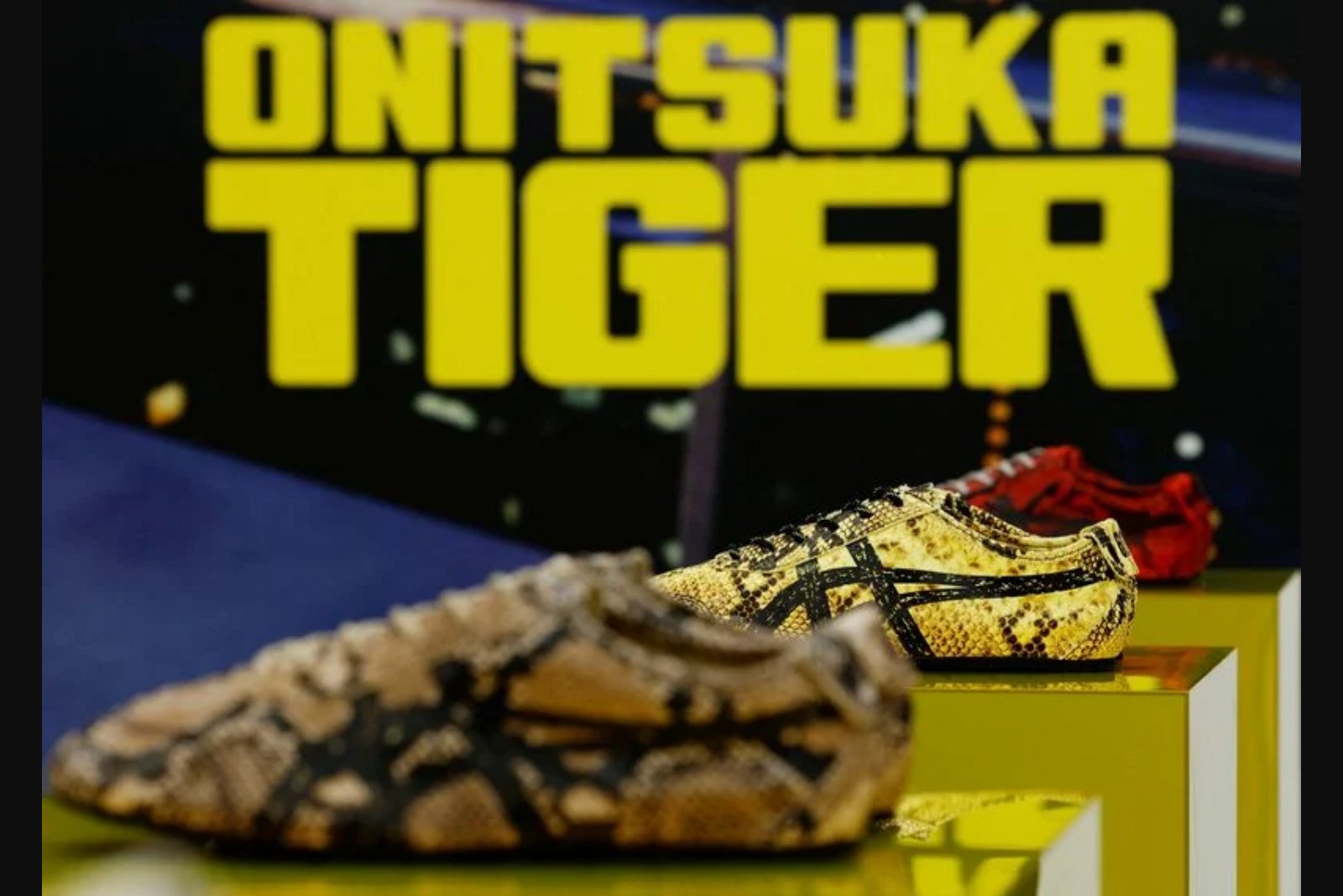
Onitsuka Tiger - the fashion arm of Asics famed for its Mexico 66 trainer and for sneakers associated with cinematic and martial arts icons - is preparing a notable push beyond Japan as its parent firm reorganises the brand into a separately run unit and steps up store openings across major markets.
The label, widely recognised for the yellow-and-black pair seen in the 2003 film "Kill Bill" and for versions linked to Bruce Lee, has been a beneficiary of sustained consumer interest in retro-inspired footwear. Asics said Onitsuka Tiger's sales rose by a third in the January-to-March quarter, generating a profit margin of around 40% - the highest margin among Asics' business lines.
That profit performance has drawn attention from investors and analysts. Mark Chadwick, an analyst who publishes on Smartkarma, characterised those margins as being at a level "far closer to luxury brands than traditional sporting goods companies," and he warned that the brand's transition to a stand-alone structure carries the risk of narrowing what he described as "exceptional margins." He cautioned that establishing Onitsuka Tiger as an independent operational unit will bring new costs and that the firm's plan to open flagship stores is a capital-intensive undertaking with execution risks.
The brand's origins date back to a shoe business founded in Kobe in 1949 by Kihachiro Onitsuka. While the Mexico line with the iconic stripes did not debut until 1966 - after earlier products such as basketball shoes - that design has become a signature for the brand.
During the 1960s, the early connection with what would become Nike emerged when Phil Knight met with Onitsuka officials and began importing the company's running shoes into the United States. Decades later, Asics relaunched Onitsuka Tiger in 2002 in Europe, repositioning the former athletic model as a fashion label.
Analysts point to shifting consumer preferences as a factor behind Onitsuka Tiger's recent momentum. Ivan Su, an analyst at Morningstar, said the label benefitted as consumers moved away from heavily cushioned, maximalist footwear toward more minimalist silhouettes.
Onitsuka Tiger has also broadened its profile through marketing and celebrity association. In 2022 the brand appointed Momo from the K-pop group TWICE as a brand ambassador, and it has seen rising interest from tourists visiting Japan, aided in part by a weakened yen that has made shopping in Japan more attractive to overseas visitors.
On Wednesday, Asics announced it would transfer Onitsuka Tiger into OT Group, a wholly owned subsidiary, by means of a company split. The firm said there are no plans to list the new unit. Some analysts, however, said the reorganisation could make it easier to alter the ownership structure in future, should Asics choose to do so. Chadwick noted that while the move does not immediately unlock value, it sets the stage for the market to view Onitsuka Tiger as operating with different economics from the rest of Asics.
Onitsuka Tiger already operates close to 200 stores worldwide and plans further openings in the current year in countries including China, Italy and South Korea. The brand intends to re-establish a U.S. presence next February with a Los Angeles flagship, three years after it closed a store in New York.
Observers of fashion and retail see opportunities for Onitsuka Tiger in the current market environment. Glenn McMahon, a fashion and retail brand consultant in Los Angeles, said Japanese culture exerts a global fascination and that consumers appear increasingly open to alternative sneaker brands amid a sense of fatigue with the dominance of larger players such as Nike and Adidas.
Onitsuka Tiger leverages its Japanese heritage in design - for example, models featuring pink cherry blossom motifs - and sells a premium "Nippon Made" line handcrafted in a small town in western Japan. The brand also markets apparel and accessories in prominent retail locations including London’s Regent Street and Paris' Champs-Elysees.
Customer anecdotes underline the label's appeal. An American college student, Kaito Hikino, said he bought Mexico 66 TGRS trainers for his girlfriend during a family trip to Japan and observed that many of his female friends in the United States own a pair. A Brazilian visitor, Ana Lebl, said she had previously seen Onitsuka Tiger trainers sold via resellers online but found they were more expensive there; she purchased a pair of Mexico 66 SD trainers in Tokyo last week.
Analysts at Japanese brokerages highlighted the need for investment to support global expansion. Shintaro Umeda of Nomura Securities wrote that some level of prior investment will be required, including opening directly managed stores in major U.S. cities and bolstering advertising. Kenya Matsuo at SMBC Nikko said the firm would likely see steeper sales growth if it accelerated store openings beyond its current cautious pace.
Yet the brand enters a competitive and trend-driven market. Global sportswear giants such as Nike, Adidas and Puma offer their own minimalist sneaker lines, increasing rivalry within the category of classic-inspired footwear. Some analysts warned that fashion cycles can undercut even successful labels. Ivan Su of Morningstar said that many companies have replicated the Mexico 66 model and that the popularity of Onitsuka Tiger, while durable so far, could fade in coming years, a development that would weigh on margins.
Market context and implications
- Onitsuka Tiger's repositioning and retail expansion could shift cost and revenue dynamics within Asics, with implications for the company’s consolidated profitability and its appeal to consumers in the premium sneaker segment.
- Investment in directly managed flagship stores and marketing is expected to be necessary to establish the brand in new markets, which may increase capital expenditure for the OT Group unit relative to its current structure.