
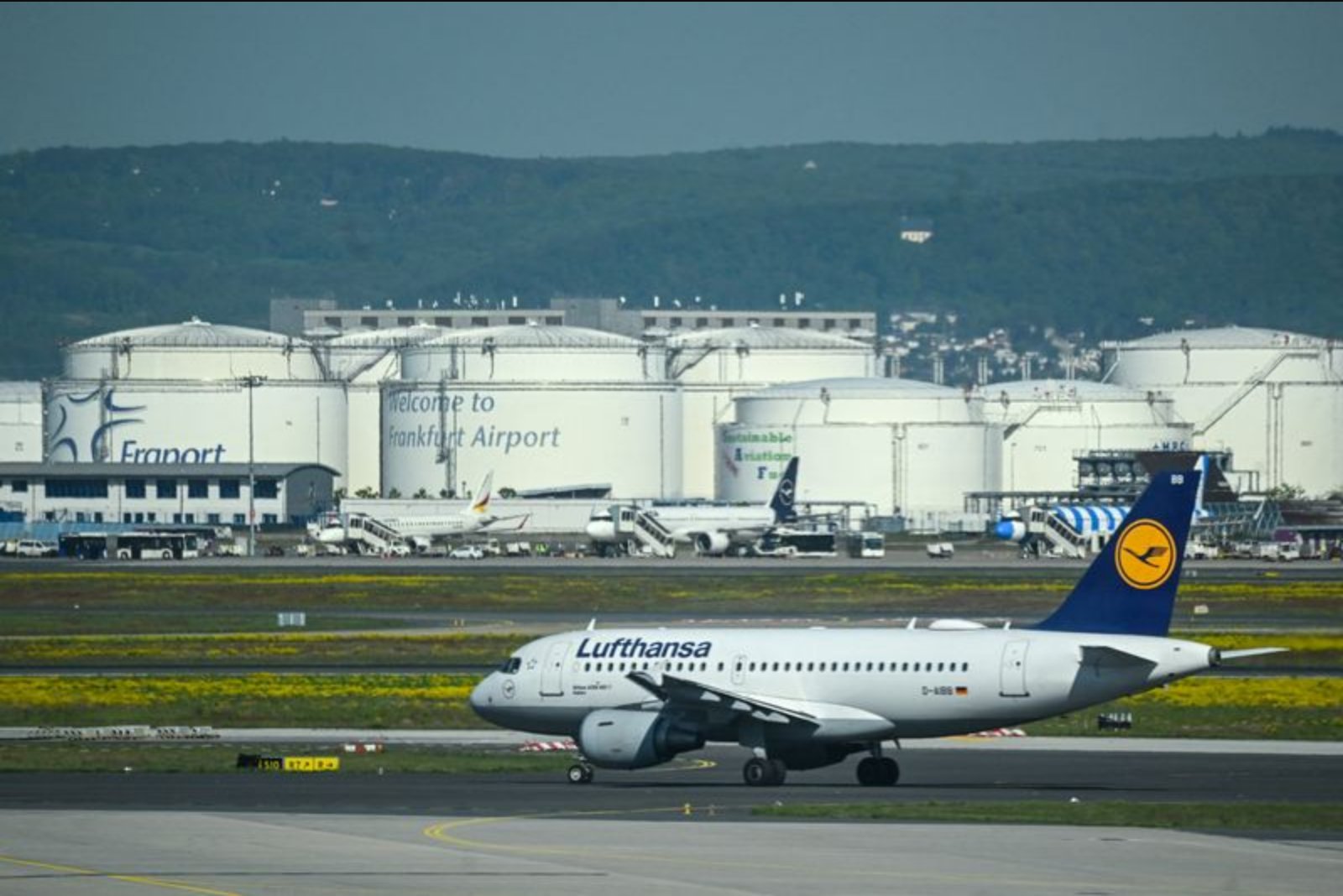
Lufthansa reported an adjusted operating loss of 612 million euros for the first quarter ended March, a result that came in ahead of the 659 million-euro loss projected by a Lufthansa-compiled analyst poll. The outcome also represents an improvement compared with an adjusted operating loss of 722 million euros in the same quarter a year earlier.
The airline attributed part of that relative outperformance to strategic hedging programs that helped blunt the impact of rising jet fuel costs. The company said labour disruptions were kept largely under control during the period, assisting operational stability.
At the same time, Lufthansa highlighted that the crisis in the Middle East had put upward pressure on kerosene prices. The group noted that this same dynamic had supported demand, as travellers opted to reroute through the carrier's hubs, increasing passenger flows despite the fuel cost headwind.
Management left its 2026 guidance unchanged. The company reiterated its expectation of a significantly higher adjusted operating profit in 2026 versus the 1.96 billion euros it recorded in 2025, while acknowledging that uncertainty has risen.
For reference, the exchange rate used in reporting was $1 = 0.8534 euros.
The quarter's figures and the decision to hold the 2026 forecast reflect a balancing of offsetting factors set out by the group: hedging and manageable labour conditions on one side, and higher kerosene costs along with geopolitical uncertainty on the other.
Investors and market participants will likely weigh the maintained guidance against the stated increase in uncertainty and the potential for further pressure on fuel costs. The company did not provide additional numerical detail beyond the adjusted operating loss figures and its comparative 2025 operating profit in the materials referenced here.
Contextual note: The company described both higher fuel costs driven by the Middle East crisis and increased passenger demand from rerouting; those two developments were presented together by the company as simultaneous effects of the geopolitical situation.