
Most Asian currencies nudged higher on Wednesday as signals of reduced tension in the Middle East supported a rebound in risk appetite and helped ease fuel-related inflation concerns for oil-importing economies in the region.
The dollar fell about 0.2% against a basket of currencies, while US Dollar Index futures were trading roughly 0.2% lower, reflecting softer demand for the greenback amid improving market sentiment.
U.S. announcement eases market nerves
U.S. President Donald Trump said on Tuesday that Washington would pause an operation intended to reopen commercial shipping through the Strait of Hormuz and described what he called "great progress" toward a "final agreement" with Tehran. "We have mutually agreed that, while the Blockade will remain in full force and effect, Project Freedom (The Movement of Ships through the Strait of Hormuz) will be paused for a short period of time to see whether or not the Agreement can be finalized and signed," Trump wrote in a social media post.
The statement helped calm markets that had reacted to the earlier military tensions triggered by the initiative. The downtick in geopolitical risk coincided with a pullback in oil prices during Asian trading after crude had surged to multi-year highs earlier in the week. With fuel costs easing, inflationary pressures for oil-importing Asian economies were relieved to some degree, supporting regional currencies.
Currency moves across the region
The onshore Chinese yuan saw USD/CNY edge down about 0.2%, while USD/JPY traded largely flat. The Indian rupee's USD/INR fell by roughly 0.2% and the Singapore dollar's USD/SGD slipped about 0.1%.
Crude oil extended losses in Asian trade, which contributed to the softer inflation outlook for importers. Traders also noted movements in the West Texas Intermediate contract, which showed a decline following earlier strength.
South Korean inflation lifts the won
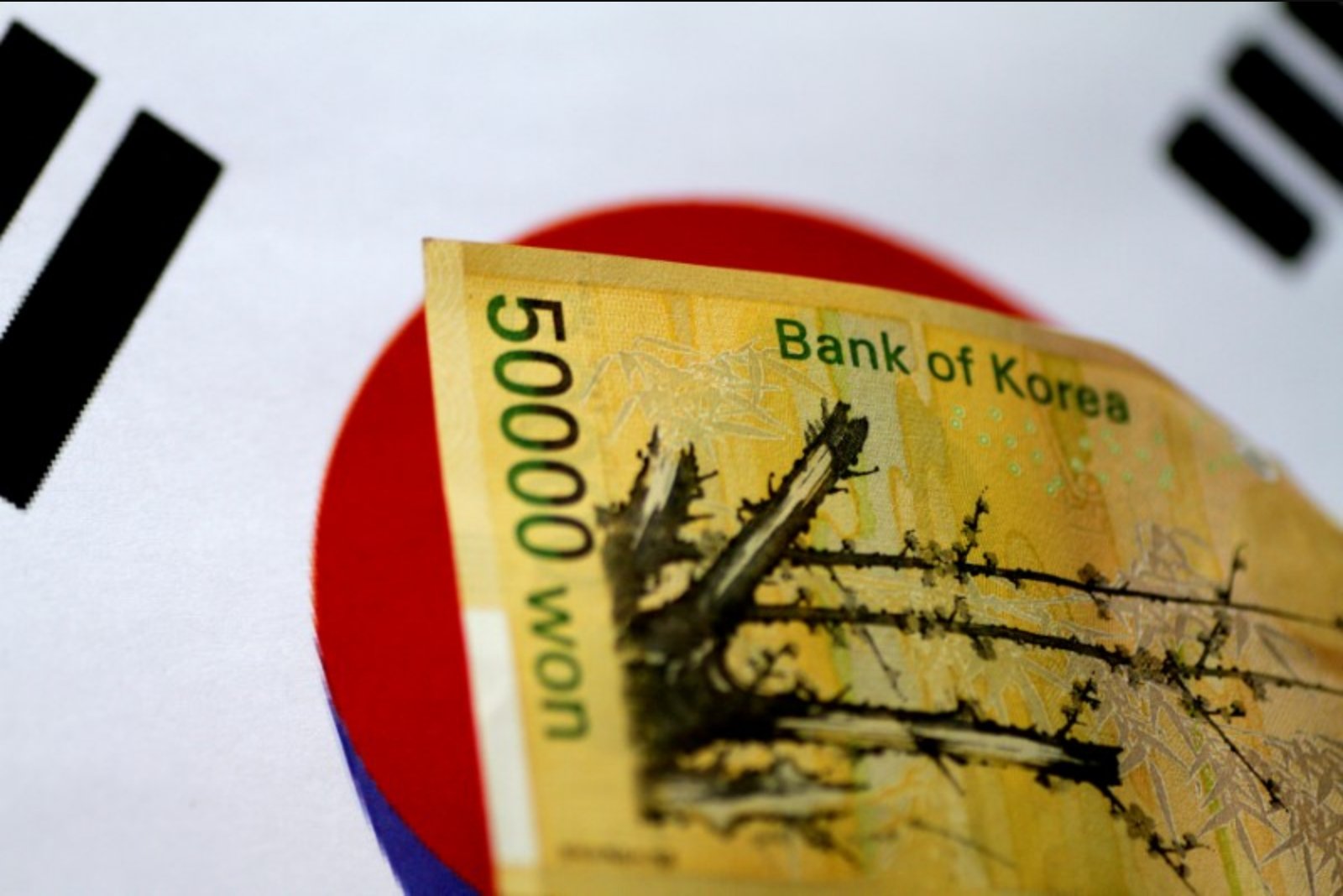
The South Korean won outpaced peers, with USD/KRW sliding 1.2% after national consumer price data for April showed a 2.6% year-on-year increase, up from 2.2% in March and the fastest pace since mid-2024. The acceleration was attributed in part to higher fuel costs and rising service prices. The hotter-than-expected reading reinforced expectations that the Bank of Korea could be inclined toward additional policy tightening.
Elsewhere in China, private-sector services activity signaled continued expansion. The China RatingDog Services PMI rose to 52.6 in April, beating forecasts and pointing to a faster rise in business activity supported by resilient domestic demand.
Australia moves with rate expectations
The Australian dollar climbed, with AUD/USD up about 0.7%, extending gains after the Reserve Bank of Australia delivered a rate increase the previous day. Markets are pricing a relatively hawkish outlook from the central bank, which has supported the currency's advance.
Overall, regional FX markets were shaped by a mix of easing geopolitical risk, a retreat in oil prices and domestic data that pushed some central bank expectations higher, most notably in South Korea.