
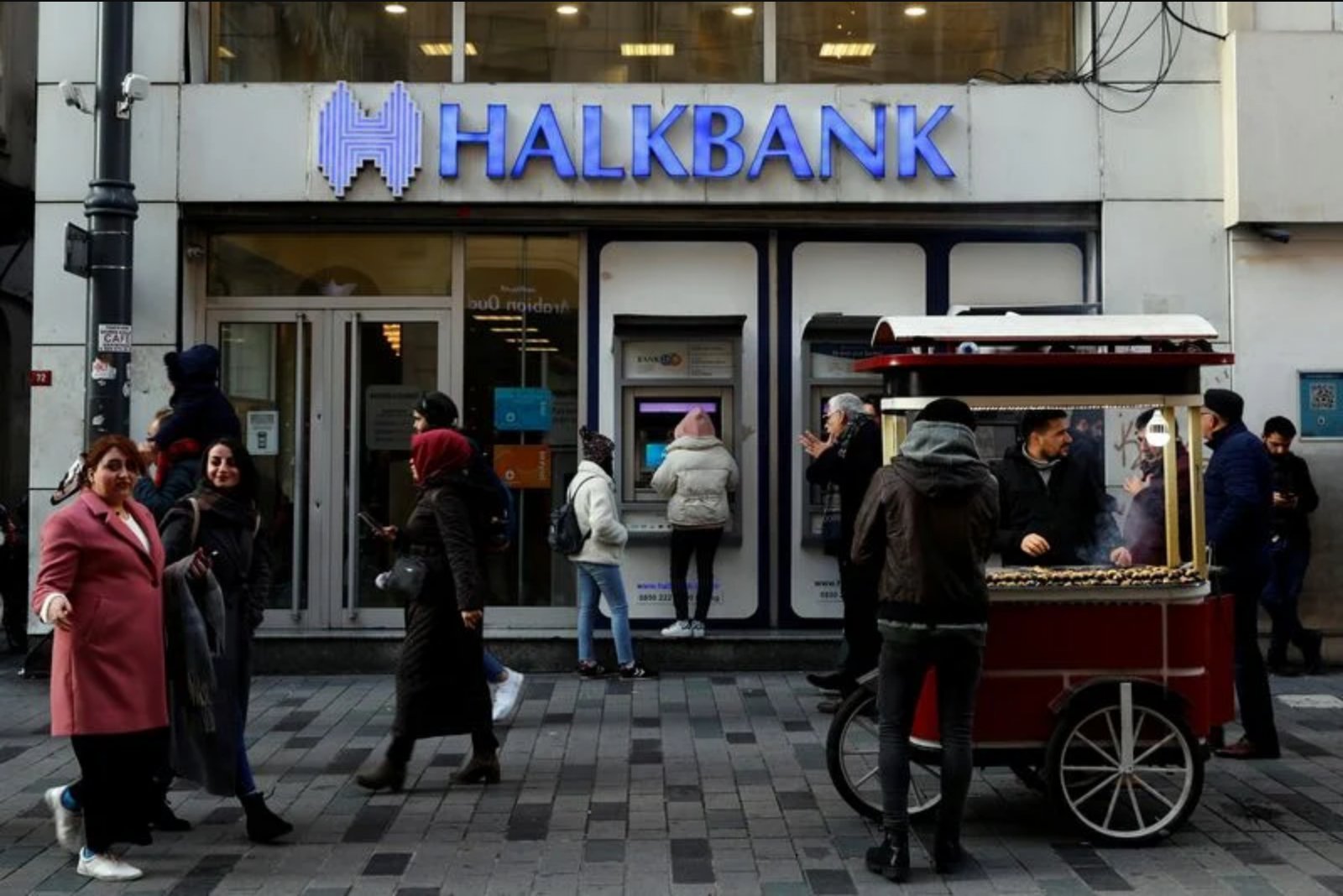
A federal judge in Manhattan will hear arguments on Wednesday to decide whether to approve an agreement reached between the U.S. government and Turkiye Halk Bankasi A.S. that would resolve a long-running criminal prosecution alleging the bank aided Iran in evading U.S. economic sanctions.
The settlement, negotiated by the Trump administration and announced in March, aims to close a dispute that has strained relations between the United States and NATO ally Turkey since the original charges were filed in 2019. Halkbank's stock jumped on the Istanbul exchange after the March announcement.
U.S. District Judge Richard Berman had temporarily halted the case for a 90-day period to allow Halkbank to demonstrate compliance with the agreement's requirements. Those terms include a prohibition on entering transactions that would benefit Iran and the appointment of an independent monitor to oversee the bank's sanctions and anti-money laundering compliance program.
When the 90-day compliance window ended on June 10, prosecutors in the Manhattan U.S. Attorney's Office asked Judge Berman to formally dismiss the charges. In their filing, prosecutors stated that the monitor - Ernst & Young - had not identified any instances in which Halkbank failed to adhere to the settlement's conditions.
Berman set a hearing for Wednesday at 9 a.m. EDT (1300 GMT) to consider the prosecutors' request to dismiss the case.
Legal specialists have noted that federal judges generally have limited authority to reject the terms of deferred prosecution agreements like the one reached with Halkbank. The agreement does not involve any payment by the bank, and Halkbank did not enter a guilty plea or admit to criminal misconduct as part of the deal.
At a March 11 hearing, Judge Berman referred to a letter from an advocacy group that urged him to request an explanation for why the settlement contained no financial penalty. The judge mentioned receiving the letter but did not pursue further questioning on that matter during the hearing.
The underlying criminal allegations brought by U.S. prosecutors accused Halkbank of secretly transmitting $20 billion in restricted funds, converting Iranian oil revenues into gold and cash to benefit Iranian interests, and creating false documentation of food shipments to justify transfers of oil proceeds. Halkbank entered a plea of not guilty to the charges.
Turkish President Recep Tayyip Erdogan has publicly criticized the case in the past, describing it as unlawful and "ugly." The two countries' relations have warmed since President Donald Trump returned to office last year. Following a meeting between Erdogan and President Trump last year, Erdogan said he hoped the Halkbank matter could be resolved. Erdogan also stated in October that Trump had told him after a September White House meeting and a subsequent phone call that "the Halkbank problem is finished for us."
The settlement was disclosed after the Iran war began in February. The Justice Department has stated that withdrawing the prosecution would serve U.S. interests by helping to curb support for Iran.
Context and next steps
Wednesday's court session will determine whether Judge Berman formally accepts the prosecutors' recommendation to dismiss the indictment based on the monitor's finding of no noncompliance. If the judge grants the request, the criminal prosecution that began in 2019 would be brought to a close under the terms of the deferred prosecution agreement.
The outcome of the hearing will be watched by market participants and policymakers given the political sensitivities and previous market reaction to the settlement notice.