
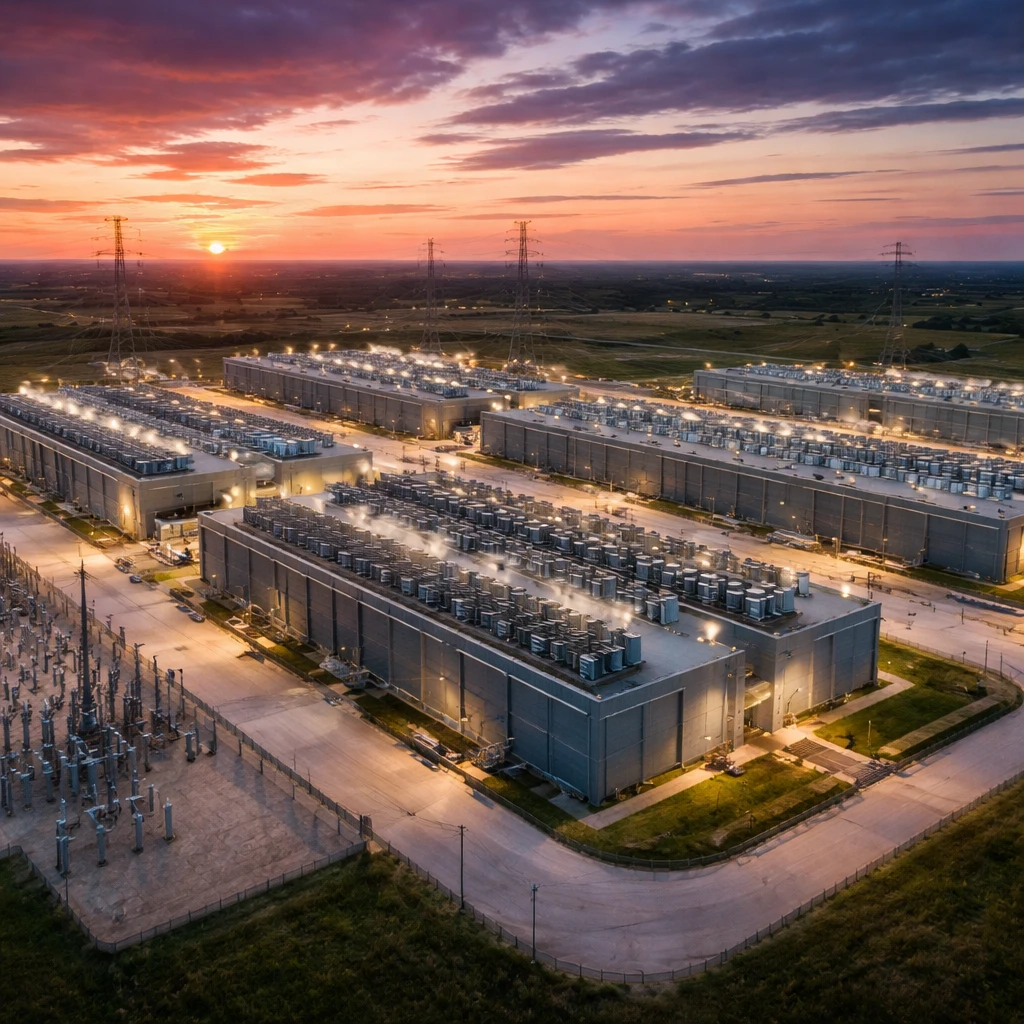
Hut 8 Corp. stock jumped about 11.0% in morning trading, reaching $107.81 and peaking at $109.79 during the session as investor interest strengthened around the company’s ongoing transition into a large-scale AI data center operator.
Investors have pointed to a string of material corporate developments in recent months that underlie the rally. Chief among them is the closing of $7.5 billion in investment-grade project financing tied to Hut 8’s River Bend and Beacon Point campuses in Texas, financing that supports the company’s power-first strategy for carrying large AI workloads.
Analyst sentiment has tightened in favor of the stock. Several brokerages - including Rosenblatt, B. Riley, Jefferies and Keefe Bruyette - have either issued or reaffirmed ratings equivalent to a buy and have lifted price targets. Those targets range from $124 to $138, while the consensus analyst target recently converged near $109, a level close to the stock’s trading price during the rally.
Institutional flows add another dimension to the story. UBS materially expanded its position in Hut 8 in the first quarter of 2026, according to filings that show a notable build by a large investor. That accumulation suggests some larger market participants are aligning with the long-term thesis that Hut 8 can scale AI infrastructure.
The wider market backdrop has amplified these company-specific dynamics. The NASDAQ composite rose in the same session, providing a favorable environment for high-beta, growth-oriented names. Hut 8 typically displays meaningful sensitivity to tech sentiment and to cryptocurrency valuations because of its majority-owned subsidiary, American Bitcoin, which exposes the company to crypto-market swings.
Peers within the crypto-infrastructure segment have also been supported by the positive tech-market tone, which appears to be lifting similar assets across the group.
Taken together, the combination of a supportive macro session for growth stocks, a densely bullish analyst consensus, institutional accumulation, and Hut 8’s execution on its power-first AI data center strategy appears to explain the sharp intraday advance - even though there was no single new company announcement driving the move.