
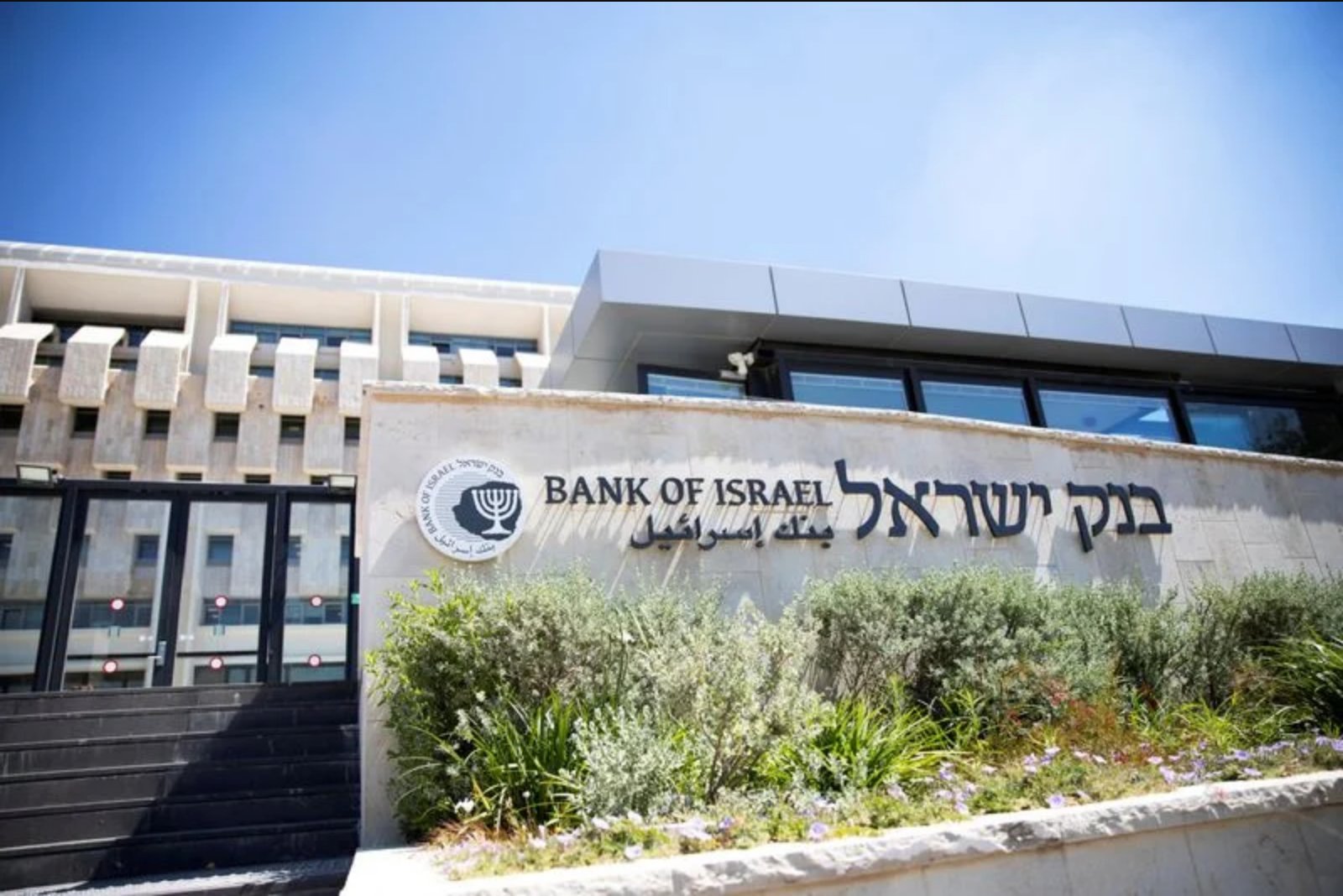
JERUSALEM, July 6 - The Bank of Israel announced a 25 basis point reduction in its policy rate on Monday, lowering the benchmark to 3.5% from 3.75% in what was its second straight decision to ease monetary policy.
The central bank cited a combination of stable inflation readings and the effect of a U.S.-Iran ceasefire deal, which has contributed to softer energy prices, as key reasons for the move. The rate cut follows earlier reductions in November and January after the Gaza war, a pause through two subsequent meetings because of the conflict with Iran and concerns that supply-driven inflation could surge, and a resumption of cuts in May.
Headline inflation stood at an annual rate of 1.9% in May, comfortably inside the bank's 1-3% target range. In updated projections, the Bank of Israel's staff forecast inflation of 1.8% by the end of 2027, and they expect the policy rate to fall to around 3% over the coming year.
Despite these projections, Governing Council members emphasized a cautious stance. In its rates decision statement the monetary policy committee said the inflation outlook is shaped by a number of countervailing forces. "The inflation environment is greatly influenced by geopolitical developments and their effects on economic activity and on energy prices, by the risk premium and the (dollar-shekel) exchange rate, by the development of demand alongside supply constraints, and by fiscal developments," the statement said, adding that a tight labour market and rising wages also figure into the assessment.
The bank noted that, although active fighting between Israel and Iran has paused for now, geopolitical uncertainty remains elevated.
The conflict with Iran was a major drag on activity earlier in the year, subtracting from output and contributing to a 3.8% contraction in the economy in the first quarter. The Bank of Israel said the economy has since recovered and now projects stronger growth ahead, with GDP expected to expand by 4% in 2026 and by 5.5% in 2027.
Exchange-rate developments have been a focus for policy makers. After climbing to a 33-year high against the dollar, the shekel has weakened by 3.1% since the bank's previous decision on May 25. In May the central bank purchased $801 million of foreign currency in an effort to temper the shekel's strength alongside its decision to cut rates.
Following Monday's decision the shekel eased 0.1% against the dollar to a rate of 3.0. The Bank of Israel also adjusted its calendar for the next policy announcement, moving the decision from the planned August 31 to September 1 because of a scheduling conflict with the Jackson Hole symposium.
Market and sector implications
The central bank's statement and projections signal continued vigilance on inflation while allowing for a gradual easing of monetary conditions. Sectors sensitive to interest rates, the currency, and energy costs - including finance, real estate, and transportation - will be monitoring further moves closely.