
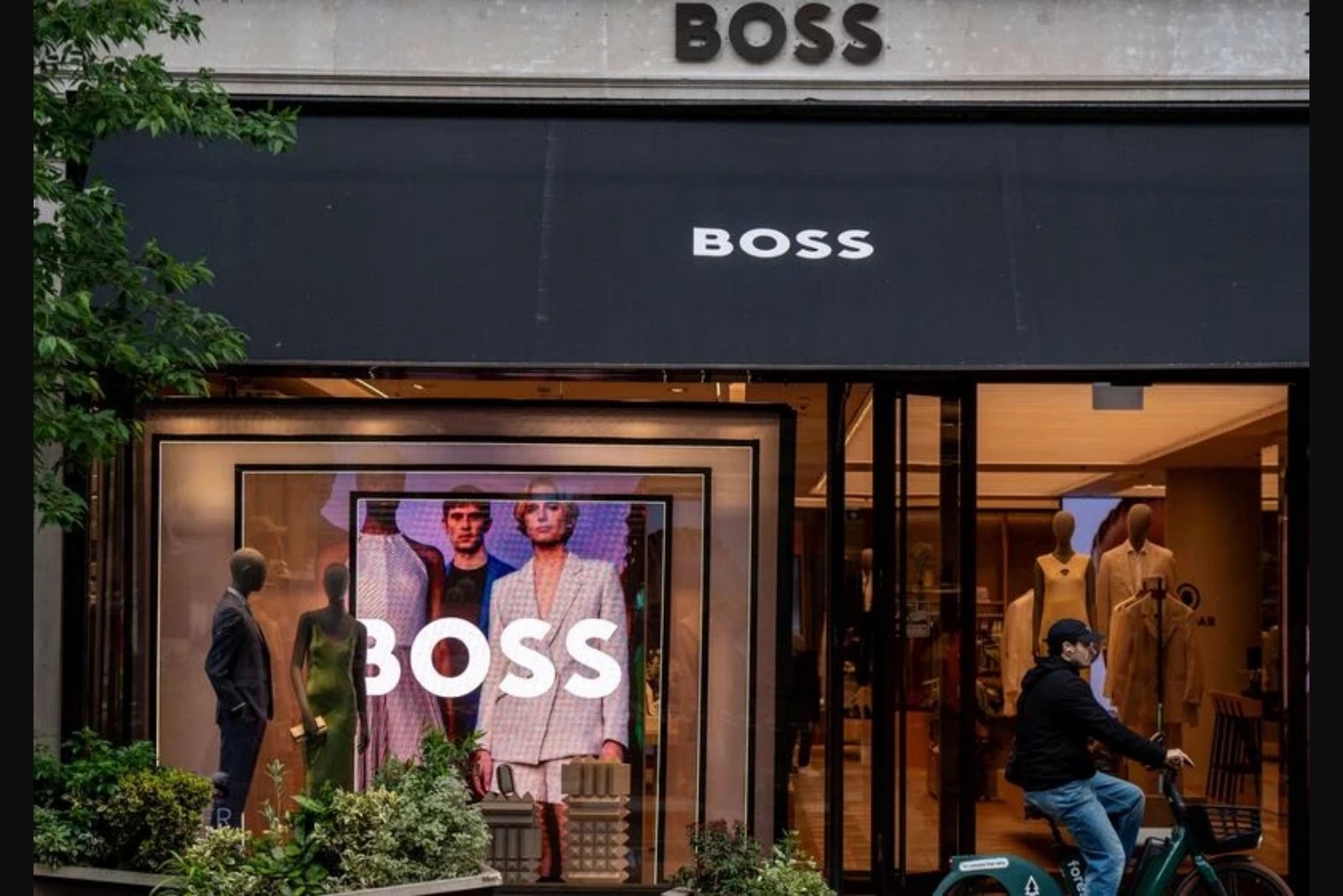
Shares in Hugo Boss jumped roughly 7% on Thursday after Frasers Group, the British retail group controlled by Mike Ashley, unveiled a cash takeover bid for the German apparel maker.
Frasers, which already holds slightly more than a 26% stake in Hugo Boss, proposed paying €38 per share in cash for the balance of outstanding shares. That price represents a 4.3% premium to Wednesday's closing price and places the value of the remaining stake Frasers does not own at about €1.98 billion - roughly $2.3 billion using the exchange rate cited in market reporting.
Hugo Boss said late on Wednesday that the approach had not been coordinated with the company and that its board would review the offer. The bid, if completed, would fold the German label into the retail portfolio run by Mike Ashley's Frasers Group, which already owns Sports Direct and House of Fraser and holds stakes in Asos, Debenhams and Currys.
Market commentary added context on the likely near-term effects of the offer. J.P. Morgan noted the bid probably establishes a floor for Hugo Boss shares in the short term but warned there may be limited room for further upward movement. The bank also indicated it did not expect a competing bidder to come forward.
Hugo Boss has faced challenges in recent years. Its stock trades at about half the level seen three years ago and the firm has been coping with weaker sales. Management has been pursuing a turnaround strategy that prioritizes revamping stores, simplifying the product assortment and expanding women's wear as core elements of its recovery plan.
Trading data showed that by 07:13 GMT Hugo Boss shares were up 6.2% at €38.7, slightly above Frasers' offer price, lifting the stock's year-to-date gains to 7.2%. Frasers Group's shares declined about 2.5% in the same trading window. The market conversion used in reporting was $1 = 0.8664 euros.
Context for markets and sectors
The deal and the market reaction touch on listed retail and fashion names, with potential implications for investor sentiment in consumer-facing stocks and the broader retail sector. The contested dynamics include equity valuation floors set by takeovers and the execution risk around corporate turnarounds.