
Blackstone is actively engaging with its portfolio companies and public officials to confront the societal and environmental consequences of accelerating artificial intelligence development, CEO Stephen Schwarzman said on Thursday.
Schwarzman described efforts within the firm to work with data-center operators and other holdings to tackle issues that have arisen as private capital flows into infrastructure intended to expand compute capacity and support energy-intensive AI models. "We are working closely with portfolio companies including data-center businesses to address the workforce, environmental and community implications of development through the creation of union jobs, workforce training, water-free cooling systems, expanded power generation and significant local economic investment," Schwarzman said on a conference call.
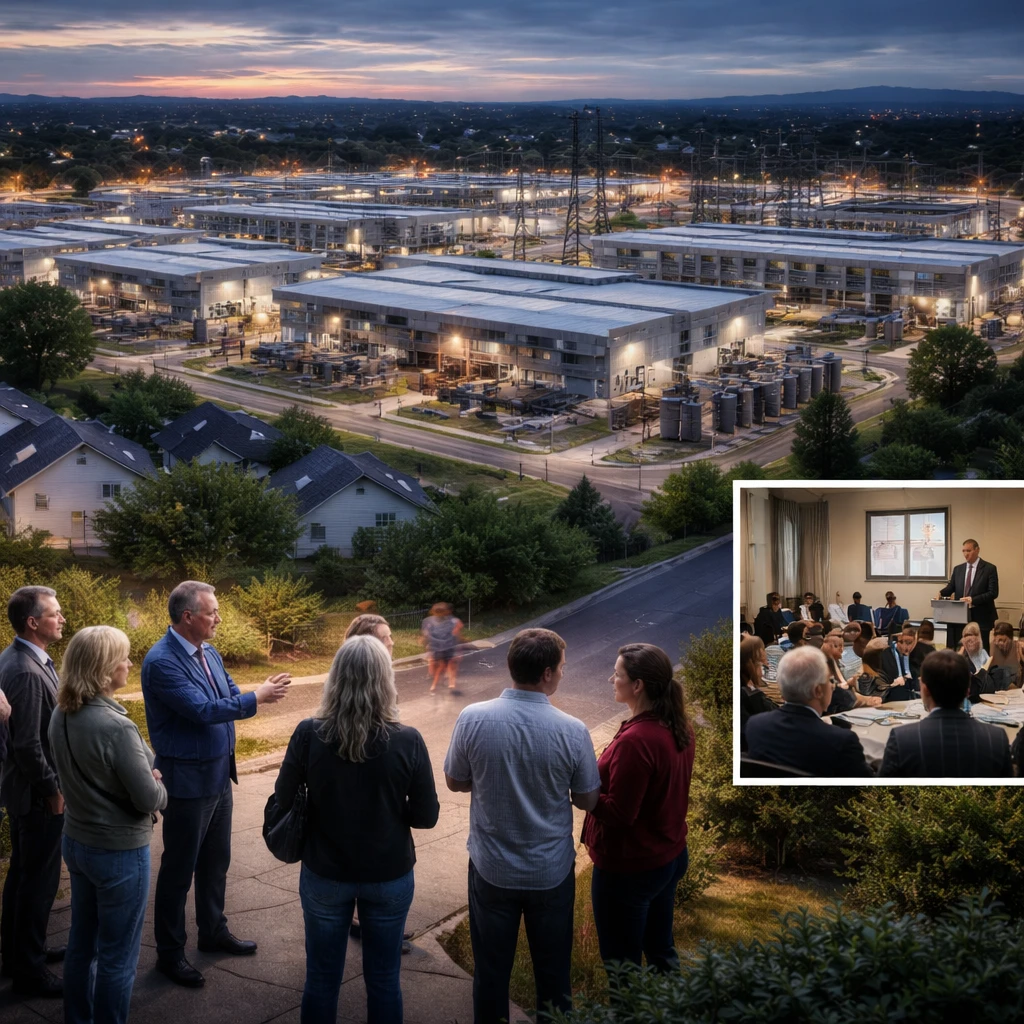
The comments come as opposition to new data-center construction has increased across the United States. Polling cited in June shows broad resistance among the public - across party lines - to having such facilities sited in their communities. Only 14% of respondents in a June poll said they would support a data center being built in their area for technology firms.
Schwarzman framed the rise of AI as a transformational economic force, likening its potential footprint to that of earlier industrial revolutions in its capacity to raise living standards over time. He also acknowledged the attendant social unease that accompanies rapid technological change: "Major change of this type also creates anxiety due to the uncertainty of how the technology will evolve."
Practical manifestations of the backlash are already visible in project decisions. Data-center operator QTS - which Blackstone acquired in a $10 billion take-private transaction in 2021 - announced earlier this month that it had terminated a planned project in Virginia after many years of planning. That project had been approved by county authorities but nonetheless faced sustained local opposition and litigation.
At the same time, national policy discussions are weighing the balance between competition with global rivals on AI and protecting households from higher energy bills. Schwarzman said he has been "spending a lot of time with leaders in the industry and various policymakers thinking about how to address these critical issues, while also preserving the advance of America’s AI leadership."
The remarks underscore the tensions emerging as private capital - described as tens of billions of dollars flowing into businesses and infrastructure to boost compute capacity - confronts local resistance, regulatory scrutiny and community concerns. Blackstone's stated approach centers on job creation, workforce development, technological adaptation for environmental impacts, and increased local economic contributions as ways to respond to that resistance.
Summary: Blackstone is coordinating with portfolio companies and policymakers to address workforce, environmental and community concerns tied to AI-driven data center expansion, offering measures such as union jobs, workforce training, water-free cooling and expanded power generation. Public opposition to local data center construction is high, and a QTS Virginia project was terminated after facing litigation and community resistance despite local approval.