
Berkshire Hathaway Chief Executive Greg Abel told CNBC that the rapid buildout of AI data centers offers a clear opportunity for the conglomerate’s energy business. The comments come after Berkshire made Alphabet its third-largest common stock holding and authorized an additional $10 billion investment three months ago.
Abel described Google parent Alphabet as a "significant player" in AI, and said that view was a factor in the pair of executives' decision to expand Berkshire’s exposure to the company. He said Warren Buffett first initiated Berkshire’s investment in Alphabet last year, and that the more recent purchase was made at a roughly 6.5% discount to Alphabet’s prevailing stock price.
"We are all seeing and feeling the impact" of AI, Abel said, underscoring the company’s rationale for the added investment.
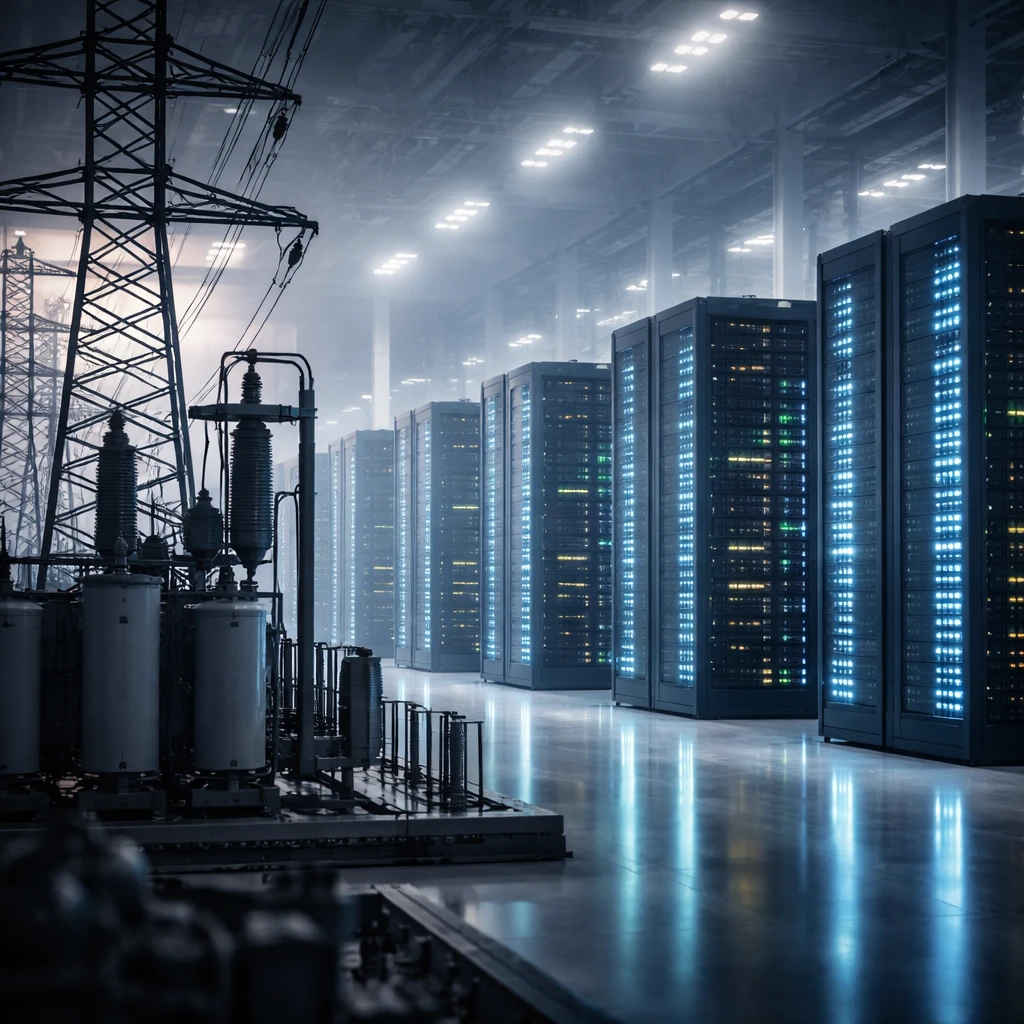
Beyond the equity move, Abel stressed the link between AI infrastructure and electricity demand, saying Berkshire’s energy operations are well positioned to benefit if data center growth continues. He estimated that data centers accounted for about 8% of the electricity load in Iowa last year, a state where Berkshire Hathaway Energy is based.
Reflecting on the relationship between computing expansion and energy supply, Abel said, "I’ve sort of always had the strong view that energy would be the constraint." He added that Berkshire still views the trend as a "significant opportunity for Berkshire and Berkshire Hathaway Energy."
The remarks connect Berkshire’s sizable stake in Alphabet with a strategic outlook for its regulated and unregulated energy assets. By highlighting the power requirements of large-scale AI compute facilities, Abel framed the company’s equity and infrastructure positions as complementary responses to the same market dynamic.
Context limitations: The statements reference Berkshire’s ownership ranking in Alphabet, the approval of an additional $10 billion investment three months ago, a 6.5% discount on the new purchase, and the Iowa estimate that data centers accounted for about 8% of load last year. No further timing, transaction specifics, or future forecasts were provided in the comments.