
Politics August 31, 2026 05:16 PM

Top U.S. Military Official Says No Plans to Station Troops at Polling Places for Midterms

Chairman of the Joint Chiefs affirms election security remains a state and local responsibility and denies any plan to seize election materials

By Priya Menon
Share
Twitter Reddit Facebook LinkedIn

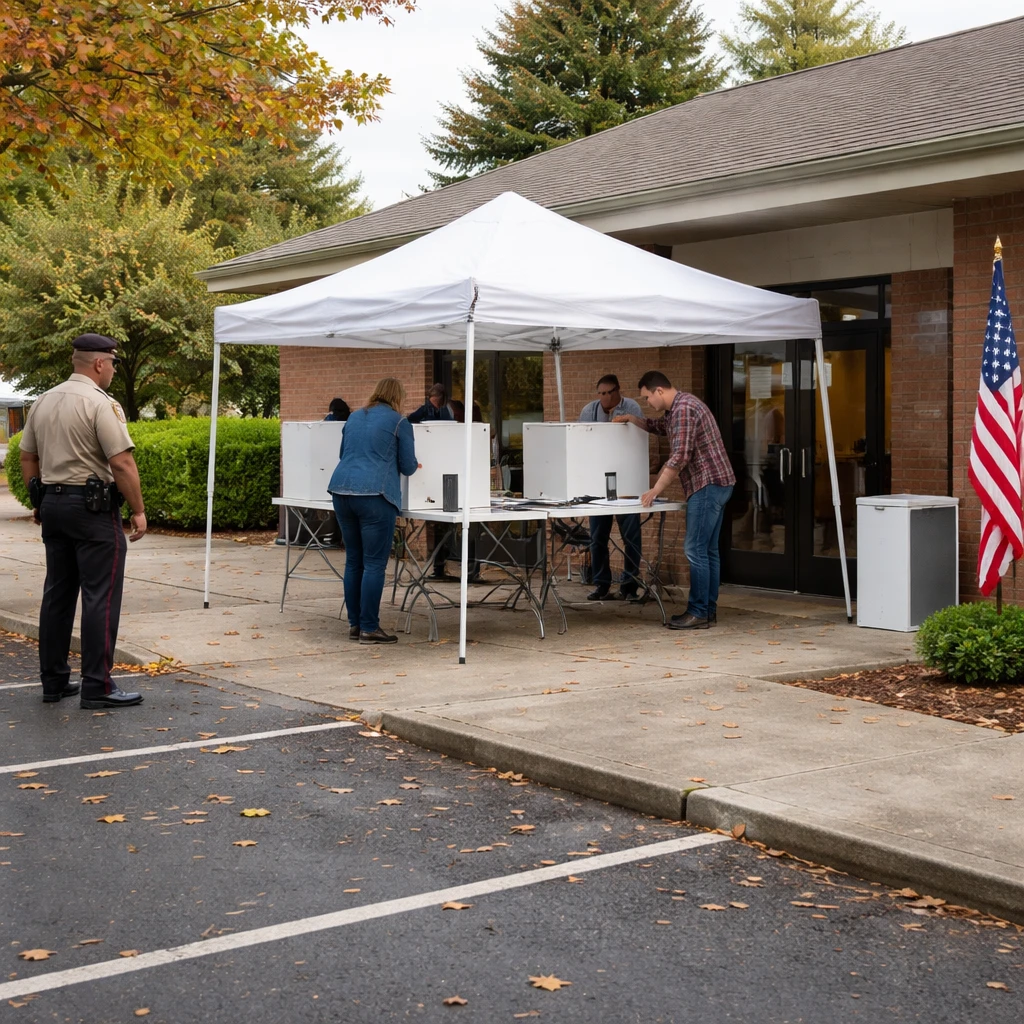
The chairman of the Joint Chiefs of Staff told a U.S. senator that the military will not deploy federal forces or National Guard troops to polling sites for the upcoming midterm elections and will not seize ballots or voting equipment. The written response reiterates that election administration and security are matters for state and local authorities and notes federal law generally bars troop use at polling places.

Top U.S. Military Official Says No Plans to Station Troops at Polling Places for Midterms
Summarize with
ChatGPT Perplexity Claude Grok Gemini

Key Points

  • The chairman of the Joint Chiefs, General Dan Caine, wrote that the military has no plans to send federal troops or National Guard personnel to polling places for the midterm elections.
  • Caine stated the military does not plan to seize ballots, voting machines or other election materials and that he has neither received nor expects to receive unlawful orders relating to the election.
  • Election administration and security are identified as responsibilities of state and local officials; the situation has implications for the defense sector and public administration around election security.

In a written reply to a request from Senator Elissa Slotkin, the chairman of the Joint Chiefs said the U.S. military does not intend to place federal military personnel or National Guard troops at polling locations during this year’s midterm elections and has no plan to confiscate ballots, voting machines or other election-related materials.

The letter from General Dan Caine was provided in response to questions from the Michigan Democrat seeking assurances from senior military leadership, including Defense Secretary Pete Hegseth, that there would be no interference with the November vote.

"I have neither received nor anticipate receiving any unlawful order concerning the role of the Joint Force in the upcoming November 2026 midterm elections," Caine wrote.

The correspondence was received on August 28, according to an official.


Millions of Americans are expected to cast ballots on November 3 in congressional, gubernatorial and local contests. The chairman’s letter reiterates a longstanding division of responsibility: election administration and the protection of polling places fall primarily to state and local officials rather than the federal military.

The exchange follows public concern among Democrats, including Senator Slotkin, that the Trump administration might deploy troops or other armed federal personnel near voting locations. Those concerns intensified after comments made in May by former President Trump, when he was asked whether he would send National Guard troops or Immigration and Customs Enforcement agents to polling sites. He replied he would "do anything necessary to make sure we have honest elections."

Federal law generally prohibits the deployment of U.S. troops at polling places or their use in overseeing elections, reflecting long-standing restrictions on military involvement in the electoral process. The chairman’s written assurance reinforced that no deployment or seizure of election materials is planned.

The response from General Caine affirms that, as of the date of the letter, senior military leaders are not preparing to execute operations at polling locations and do not expect to receive orders to take unlawful actions related to the midterm elections.

Risks

  • Concerns persist that federal armed personnel could be used near polling sites, which raises political and legal uncertainty for election administration - this affects public sector managers and election security services.
  • Public remarks by political leaders indicating a willingness to take extraordinary actions at voting locations have increased anxiety and could strain civil-military relations, potentially impacting defense policy oversight.
  • Although the chairman affirmed no plans for troop deployment, uncertainty remains about future orders or directives, creating potential legal and institutional risk for military and civil authorities.

More from Politics

Criticism Mounts After Laura Loomer’s Attacks on Black Women Politicians Aug 31, 2026 Trump’s Approval Stays at 33% as Voter Enthusiasm Splits Ahead of Midterms Aug 31, 2026 Senate Democrats Press Netanyahu to Curb West Bank Settler Violence and Halt Outpost Expansion Aug 26, 2026 Supreme Court Pauses Trial Court Order, Allows White House Ballroom Work to Continue Temporarily Aug 21, 2026 Trump showcases White House overhaul as diplomatic and market pressures persist Aug 19, 2026