
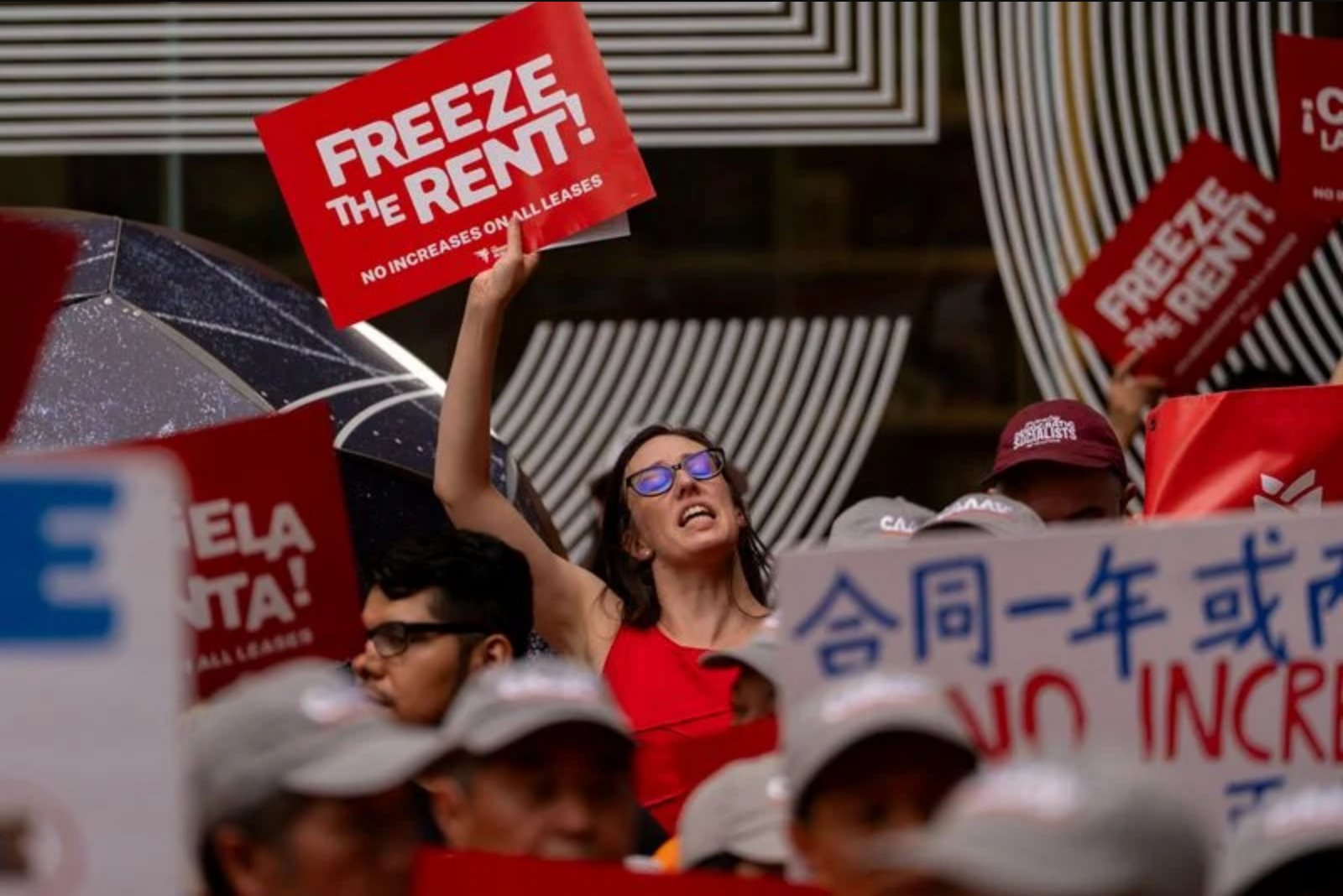
A majority of the city’s Rent Guidelines Board voted to freeze rents on approximately one million regulated apartments for up to two years, approving zero increases for both one-year and two-year leases starting in October. The decision was reached by a 7-1 vote and is a central fulfillment of a pledge made by Mayor Zohran Mamdani early in his term.
The vote took place as hundreds of tenants filled a Manhattan museum auditorium, where they cheered and blew whistles when the outcome was announced. In a statement following the vote, Mamdani called the result "a historic victory for New York City tenants" and said, "This is the relief that working people across our city deserve."
The Rent Guidelines Board’s annual process, which determines allowable rent adjustments for rent-stabilized units, considers a range of economic factors including wages, inflation, maintenance costs, taxes and landlords' incomes. Rent-stabilized apartments house about one quarter of the city’s population. The board’s 2025 study found the average monthly rent for a regulated apartment to be $1,599, while listings data cited a median rent for newly leased apartments at $3,950.
Mamdani, who identifies as a democratic socialist and campaigned on increasing affordability, has made six appointments to the board of nine members since taking office in January. His selections, he has said, were meant to bring board members who are sympathetic to tenant interests.
Controversy preceded the vote. Christina Smyth, one of the board’s two landlord representatives and an appointee of Mamdani’s predecessor, resigned just hours before the board convened. In her resignation she accused the mayor of having effectively stacked the board and asserted that the outcome was predetermined. She said, "The rebuilt board was required to deliver a rent freeze," and added, "Everything since has been theater."
Board Chair Chantella Mitchell, herself a Mamdani appointee, defended the process, saying the board’s members and staff acted with independence and integrity. The other landlord representative on the board, Maksim Wynn, who is also a Mamdani appointee, drew boos from the tenant-filled auditorium as he delivered a lengthy statement prior to the vote. After completing his remarks he ultimately voted in favor of the freeze, a decision that was met with delight by the crowd.
In the public hearings held in advance of the vote, many tenants pressed for a full rent freeze and some even sought rent reductions. Advocates cited household incomes that have not kept pace with inflation and rising household bills as justification for withholding increases. Rent freezes were implemented three times for one-year leases under the prior mayor between 2015 and 2021.
Landlord organizations argued that a freeze could strain property owners’ ability to maintain their buildings and, in some cases, leave them unable to cover mortgage obligations. Owners range from single-building family landlords to large private equity investors, and some contend they respond to losses on regulated units by raising rents on unregulated, market-rate apartments to make up shortfalls.
The vote follows other political successes for the mayor. After his election he moved from a rent-regulated one-bedroom apartment in Queens that cost roughly $2,300 per month into the official five-bedroom mayoral residence in Manhattan. He also celebrated the victories of three left-wing candidates who won Democratic nominations in competitive primaries for New York seats in the U.S. Congress during the same period.
The freeze will now govern permitted rent changes for a large segment of the city’s housing stock beginning in October, while the broader debate between efforts to improve affordability for tenants and landlords’ concerns about fiscal viability continues to play out in public forums and potential legal and political challenges.