
BIDDEFORD, Maine, July 14 - A fatal shooting involving U.S. Immigration and Customs Enforcement agents in Biddeford has drawn hundreds into the streets and intensified political focus on immigration enforcement in Maine, at the same time Democrats here confront an unexpected opening in the U.S. Senate race.
Community organizers rapidly gathered a rally near where the shooting occurred. Scores of protesters marched from City Hall and past the office of Republican Senator Susan Collins, chanting for ICE to leave the state and at times disrupting local traffic. Zach Heiden, chief counsel at the ACLU of Maine, told the crowd that the small city had become part of a list of communities - including Houston and Minneapolis - that have seen encounters with federal immigration agents end in deaths.
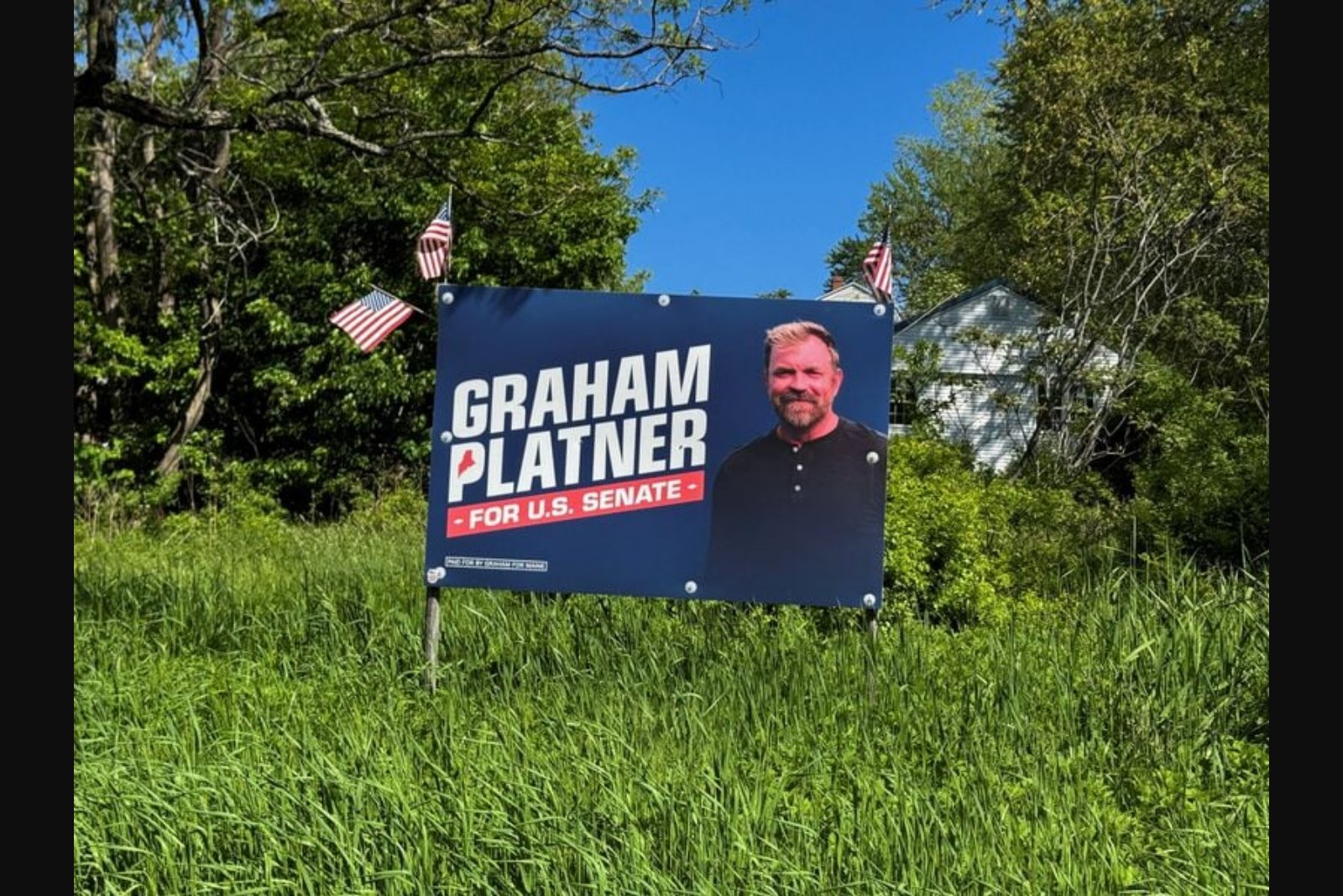
Investigations into the shooting are ongoing. The incident has moved immigration enforcement up the political agenda in Maine as Democrats work to name a new Senate candidate for the November midterm election following the abrupt end of Graham Platner's campaign.
Platner, described as an oysterman and political outsider aligned with progressive causes, formally withdrew his candidacy on Friday after losing support amid sexual assault allegations, which he denies. His departure leaves the Maine Democratic Party with a compressed timeline to choose a replacement nominee ahead of a July 27 deadline.
The Democratic field was already taking shape. Seven candidates had filed paperwork to seek the party nomination before Wednesday's filing cutoff. Those candidates include former gubernatorial and congressional hopefuls who were defeated in last month's primaries: Secretary of State Shenna Bellows; former Maine Senate President Troy Jackson; former director of the Maine Center for Disease Control and Prevention Nirav Shah; ex-congressional aide Jordan Wood; and social worker Paige Loud. Dan Kleban, co-founder of Maine Beer Company and a prior Senate candidate, said he filed his paperwork on Monday.
Bellows, who previously served as executive director of the ACLU of Maine, took part in Monday's protest and addressed a vigil on Tuesday. At the vigil she recalled a time before the creation of ICE and urged broad civic opposition to what she described as government killings in public. "Good people, regardless of what side they are on, should stand up for the principle that the government does not kill people in the streets," she told Reuters.
Other leading Democrats in the race have pushed for sharper action on immigration enforcement. Both Jackson and Shah have called for abolishing ICE while criticizing Senator Collins for supporting funding for the agency, which the article notes she helped fund with nearly $70 billion. Collins' office did not respond to a request for comment on the protest and campaign developments. In a brief statement earlier on Tuesday, Collins said the shooting "raises sufficient critical questions" and said she urged Homeland Security Secretary Markwayne Mullin "to cease all non-urgent vehicle stops."
The shooting and the political shifts since Platner's withdrawal have produced a mix of frustration and urgency among voters and activists who had supported him for his focus on working-class issues. Christine Huber, a 51-year-old appraiser from Saco, said many Mainers were "so fed up right now that they're just going to vote for the next Democrat available." She said she had been drawn to Platner because he appeared to champion the average worker. "I'm looking forward to somebody like Platner because of him rooting for the average working person," she said. "The Trump administration is all about creating billionaires and how much money he's made so far."
Some supporters of Platner have sought to influence the selection of the next nominee. Volunteers in his campaign posted an open letter calling on whoever the party selects to explicitly adopt Platner's progressive policy agenda, including backing the Medicare for All public healthcare proposal, refusing corporate donations, and opposing extended foreign wars and mass deportation campaigns. The volunteers warned that the campaign's grassroots infrastructure - organizers, door-knockers, small-dollar donors, hosts and phone-banking operatives - "does not transfer automatically to whoever the party selects."
The party will convene its nominating convention on July 25 in Bangor to choose the nominee, ahead of the July 27 deadline for formally naming a candidate.
Local voters expressed mixed reactions to the evolving field. Chris Hourcle, 50, from Gorham, said Democrats face an uphill battle to unseat Collins, who has held her Senate seat since 1997. Hourcle said he had been a strong supporter of Platner but felt less energized by some of the candidates now seeking the nomination. "Um, excited?" he asked rhetorically, pausing before adding, "There are some that I will accept." He said Jackson or Bellows were among those he could support.
Holly Culloton, 70, director of Biddeford Community Gardens and a self-described longtime supporter of Senator Bernie Sanders, called herself "really excited about Graham Platner" before his exit. "I loved his message, but you know what? He really messed up," she said. "If we don't get on that bandwagon and find a suitable replacement candidate for him, we're going to be in trouble."
William Connolly, 23, of Scarborough, who helped lead chants at the protest, said he hoped the nomination would go to Jackson, Bellows or Loud. "I swear," Connolly, who identified himself as a democratic socialist, said, "all I want is something better than this."
This moment leaves Maine Democrats balancing the fallout from a collapsed candidacy with public anger over a lethal federal law enforcement encounter. Investigations into the shooting continue, and the party's decision in late July will determine whether the campaign infrastructure and supporters who rallied behind Platner coalesce around a new nominee in time for the November contest.