
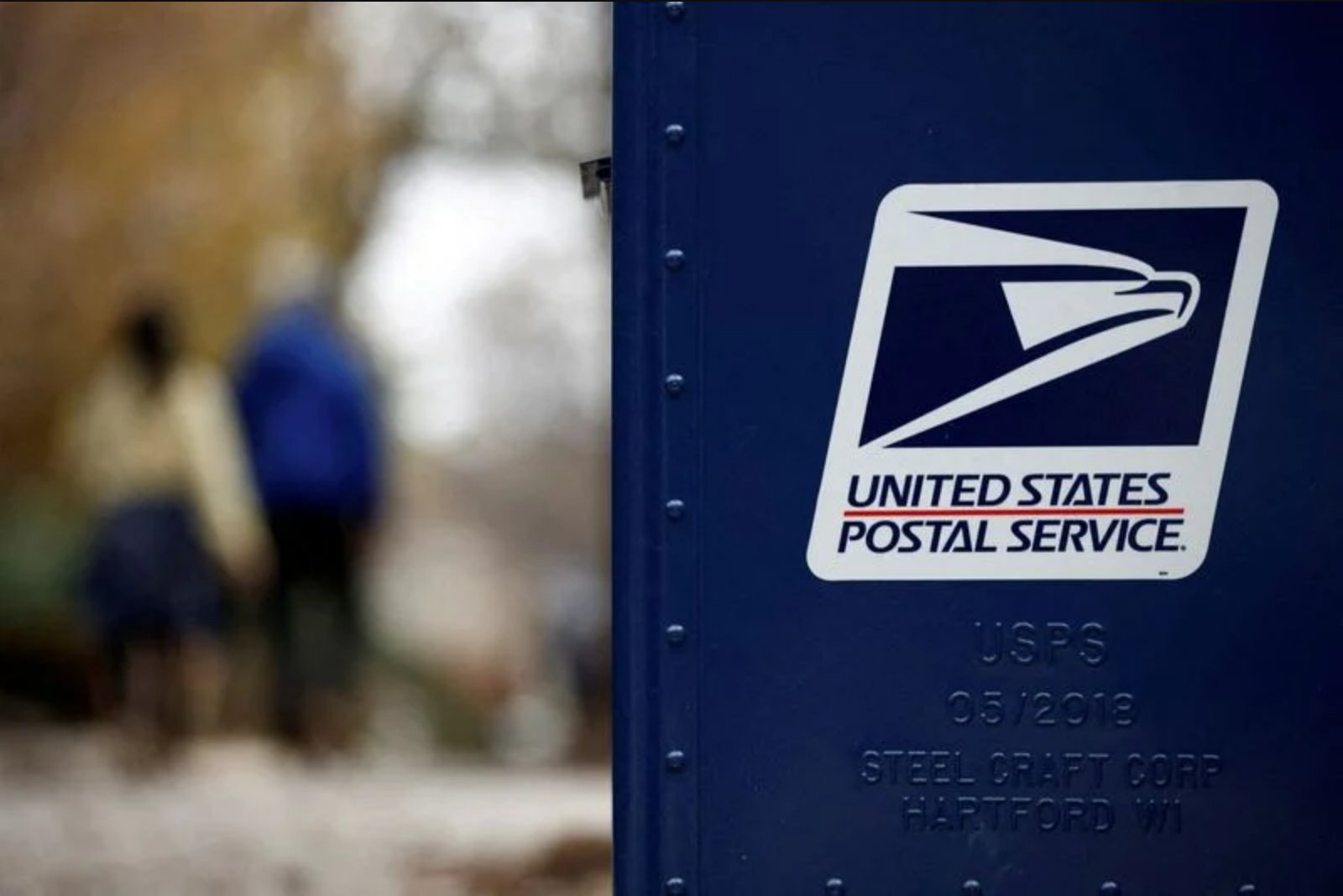
A federal judge on Wednesday blocked a proposed U.S. Postal Service rule that would have limited delivery of mail-in ballots, concluding the rule violated a prior legal agreement that required enhanced handling of ballot mail.
Washington-based U.S. District Judge Emmet Sullivan issued the order after finding that the Postal Service proposal conflicted with a 2021 settlement with a civil rights organization. That settlement obligated postal officials to take "extraordinary measures" to ensure timely delivery of ballot mail, a requirement Sullivan concluded the new rule would undermine.
The Postal Service's May proposal would have conditioned ballot deliveries on state-level actions. Under the plan, states would need to provide lists of voters and adopt new balloting procedures before the agency would make deliveries; failure to meet those conditions would have led the Postal Service to refuse delivery of ballots.
Judge Sullivan sided with the NAACP in the litigation. The NAACP argued the agency's proposed rule directly conflicted with the commitments made under the 2021 settlement, which was designed to ensure expedited handling for ballot mail. Sullivan, who was appointed to the federal bench by President Bill Clinton, agreed with that assessment and issued the block on the rule.
The decision represents the second court setback in as many weeks for President Donald Trump's initiative to sharply restrict mail-in voting ahead of the November 3 midterm elections. The president's effort comes as his Republican party remains engaged in a close contest to retain control of both chambers of Congress.
The ruling leaves intact the 2021 settlement's requirement for prioritized handling of ballot mail and prevents the Postal Service from implementing the May rule while the legal challenge proceeds. The court's action reinforces the existing legal obligation on postal officials to take special measures to expedite ballot delivery.
Because the court's decision explicitly ties the proposed regulation to the earlier settlement's terms, the legal outcome will continue to hinge on the language and requirements set in that 2021 agreement as the litigation moves forward.
Clear summary
A federal judge blocked a Postal Service rule introduced in May that would have made delivery of mail-in ballots conditional on state compliance with new requirements, finding the rule violated a 2021 settlement obligating expedited handling of ballot mail. The ruling is the second recent judicial defeat for efforts to restrict mail-in voting before the November 3 midterms.