
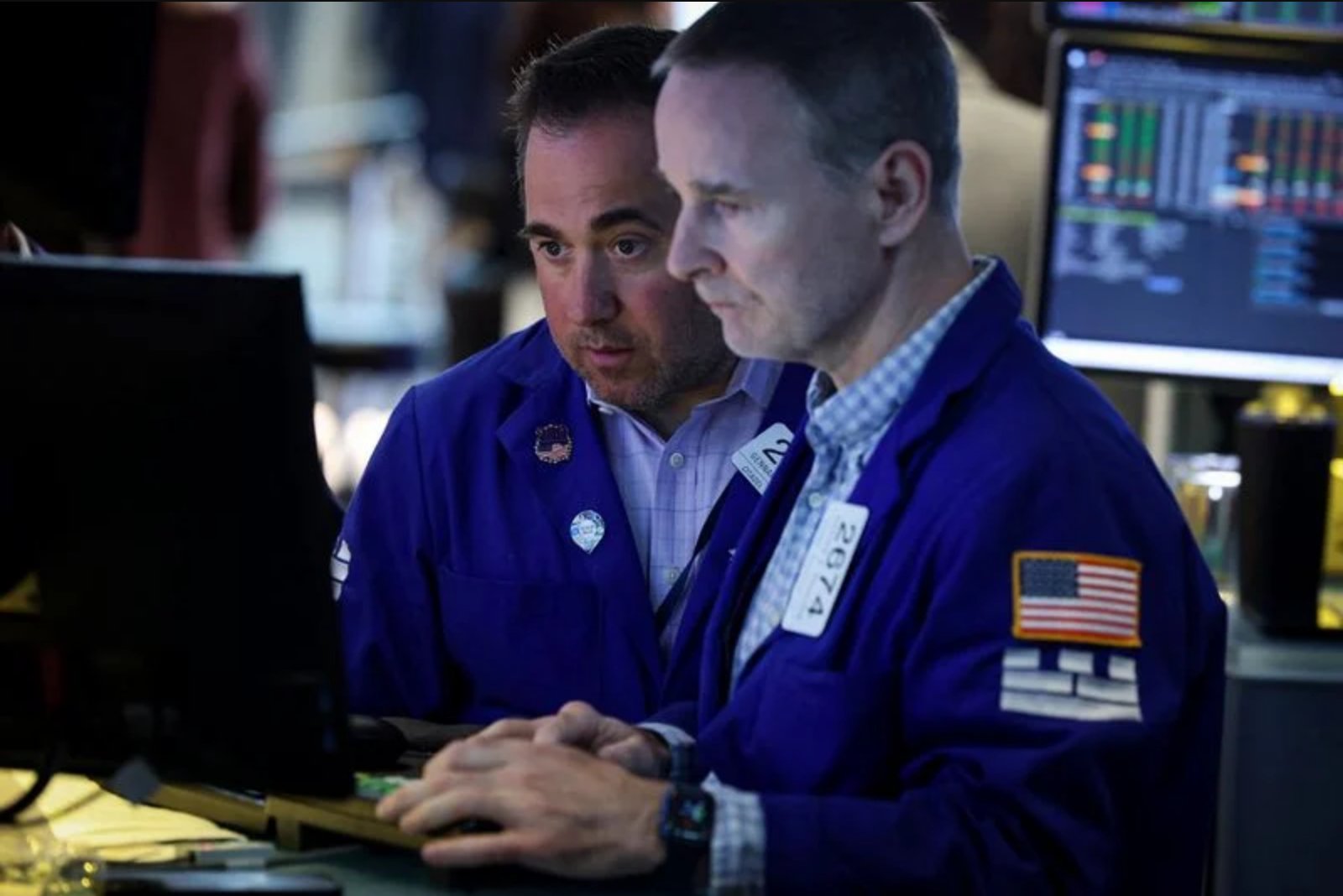
Global equities extended their upward trajectory on Monday, with U.S. indices leading the charge. The Dow Jones Industrial Average touched a new all-time closing high, while the S&P 500 and the Nasdaq Composite halted a recent five-day losing streak. This broad-based market rebound followed encouraging signs of de-escalation in the Middle East, where the United States and Iran agreed to halt attacks and move toward a fragile truce. The resolution of near-term geopolitical tensions provided a backdrop for risk-on sentiment across global markets.
Market participants closely monitored developments in the energy sector, particularly following the reopening of the Strait of Hormuz. This development triggered a surge in oil exports from the Middle East, creating volatility in trading floors. Although Brent crude prices have retreated toward pre-war levels, the path back to normalcy appears complex. As systems reboot and efforts accelerate to liberate trapped supply, inbound tankers are waiting to load outbound oil. The market is bracing for a potential supply flood, exacerbated by the U.S. suspension of most sanctions on Iran's oil exports. Tehran is expected to ramp up production, adding further weight to global supply dynamics.
In the corporate arena, Comcast Corporation shares experienced a sharp increase after announcing a plan to split into two publicly traded entities. The transaction involves the spinoff of NBCUniversal and Sky. This major restructuring contributed to the stock's significant daily gain and reflected broader M&A and corporate action trends driving equity performance.
Bond markets witnessed a modest uptick in yields as attention shifted toward upcoming labor data. U.S. Treasury yields inched higher, reflecting a cautious but steady appetite for fixed-income assets. The dollar weakened slightly but remained near a 13-month high. The Japanese yen touched its weakest level since 1986, highlighting ongoing currency volatility. European shares remained steady, balancing the geopolitical relief with economic data releases.
The commodities sector displayed mixed signals. U.S. WTI crude and Brent settled higher, rising 2.2% and 1.6% respectively. Despite the potential for increased supply, oil prices benefited from the recent disruption and subsequent recovery efforts. Gold, however, dropped, influenced by renewed jitters surrounding inflation and interest rate hikes. The precious metal's decline underscores the market's sensitivity to monetary policy expectations and inflationary pressures.
Sector performance was varied. Tech stocks, particularly those tied to artificial intelligence and cloud infrastructure, saw renewed interest. Chip stocks bounced back, contributing to the Nasdaq's recovery. The banking sector is adapting to shifting debt issuance patterns, with hyperscalers increasingly issuing bonds in multiple currencies to tap a wider investor pool. Amazon.com and Alphabet have issued $60 billion in bonds in currencies other than the U.S. dollar this year, reshaping global bond markets and setting new records for sales in euros, sterling, and yen.
The Supreme Court issued several major rulings as its term winds down. The court ruled against a Republican challenge to Mississippi's five-day grace period for mail-in ballots. It also backed President Donald Trump's firing of a Democratic member of the Federal Trade Commission but blocked the dismissal of a member of the Federal Reserve Board of Governors. Pending decisions include a state crackdown on transgender athletes and an executive order on birthright citizenship, which may influence future regulatory and social policy landscapes.
International developments continued to shape market sentiment. Asian markets were choppy as investors weighed AI-driven growth against inflationary concerns. In Europe, a record-breaking heat wave persisted, mirroring dangerously high temperatures in the United States. In Venezuela, the aftermath of twin earthquakes that killed close to 1,500 people remains critical, with some areas still lacking government assistance for rescue and recovery. Meanwhile, Britain's soon-to-be Prime Minister Andy Burnham pledged radical political change, emphasizing regional power and collaboration.
Looking ahead, markets will focus on a dense calendar of economic data and geopolitical developments. Key releases include U.S. consumer confidence, JOLTS, and Case-Shiller home prices. International data points cover UK Q1 GDP, France CPI, Germany retail sales, and Japan housing starts. Any shifts in Middle East tensions or energy market dynamics could significantly impact future trading sessions. The interplay between corporate earnings, central bank policies, and global stability will continue to drive asset allocation decisions.
The market's reaction to the U.S.-Iran truce highlights the sensitivity of equities to geopolitical risk. While the immediate threat of escalation has diminished, the long-term implications for oil supplies and global trade routes remain uncertain. The corporate sector's ability to navigate restructuring and debt issuance in a multi-currency environment will also be crucial for sustained growth. Investors will remain vigilant for signs of inflation persistence and labor market shifts, which will inform interest rate expectations and bond market performance.
As the dust settles on the geopolitical front, the market's focus will return to fundamental economic indicators. The resurgence of risk appetite following the truce provides a temporary reprieve, but underlying pressures from inflation, supply chain adjustments, and monetary policy uncertainties persist. The ability of central banks to balance growth and stability, coupled with the resilience of corporate balance sheets, will determine the trajectory of global markets in the coming weeks.