
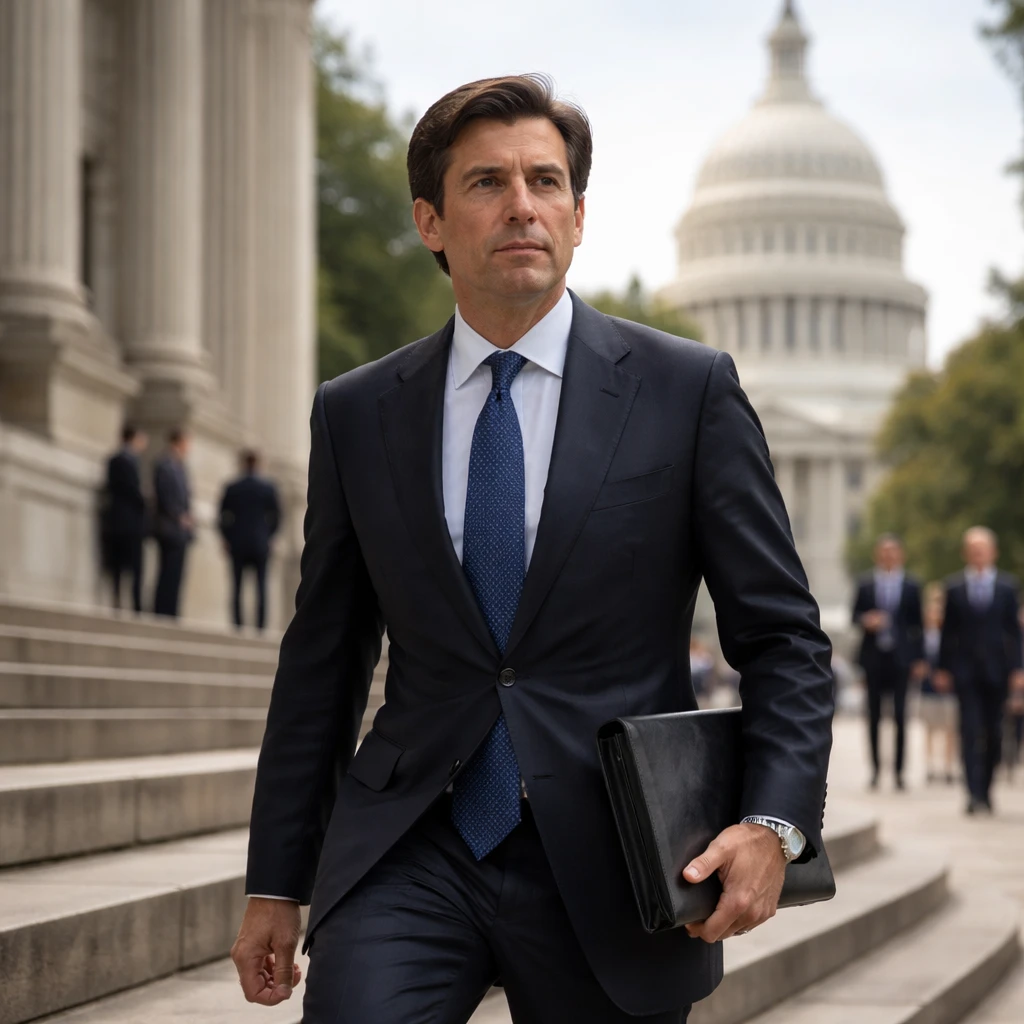
The U.S. Senate on Wednesday confirmed Kevin Warsh as chair of the Federal Reserve, installing the 56-year-old lawyer and financier as the central bank's new leader at a time when policymakers are confronting rising inflation and disagreement over the outlook for interest rates.
Warsh's confirmation came after a separate Tuesday vote by the Republican-majority Senate that approved his nomination to the Fed's seven-member Board of Governors. His ascent to the chairmanship will replace Jerome Powell, whose term as Fed chair ends on Friday. Powell will remain on the Board of Governors as a governor.
To make room for Warsh on the Board, Fed Governor Stephen Miran will vacate his position. The path to confirmation cleared when Senator Thom Tillis removed a hold he had placed on Warsh's nomination. Tillis lifted his blockade after the Department of Justice announced it had closed a criminal inquiry into Powell that related to cost overruns tied to renovations in the Fed's buildings.
Many Democrats opposed Warsh's confirmation, expressing concern about whether he will preserve the central bank's independence in setting monetary policy. Critics, including several Senate Democrats, have also questioned Warsh's autonomy from the Trump administration.
Warsh has publicly committed to shrinking the Federal Reserve's $6.7 trillion balance sheet, describing the central bank's bond holdings as what he called "fiscal policy in disguise." That position signals a willingness to pursue policies that would reduce the central bank's footprint in financial markets.
He assumes the chair as debate among policymakers intensifies over the appropriate path for interest rates. Several central bankers have argued the Fed should weigh raising rates, citing concerns that inflationary pressures are widening beyond the effects of the Trump administration's tariffs and recent oil price increases resulting from the Iran war.
Context and immediate implications
Warsh's arrival at the Fed occurs amid heightened attention to inflation and to the tools the central bank might use to address it. With his commitment to shrink the balance sheet and calls from some policymakers for potential rate increases, markets and interest-rate-sensitive sectors will be watching policy signals closely.