
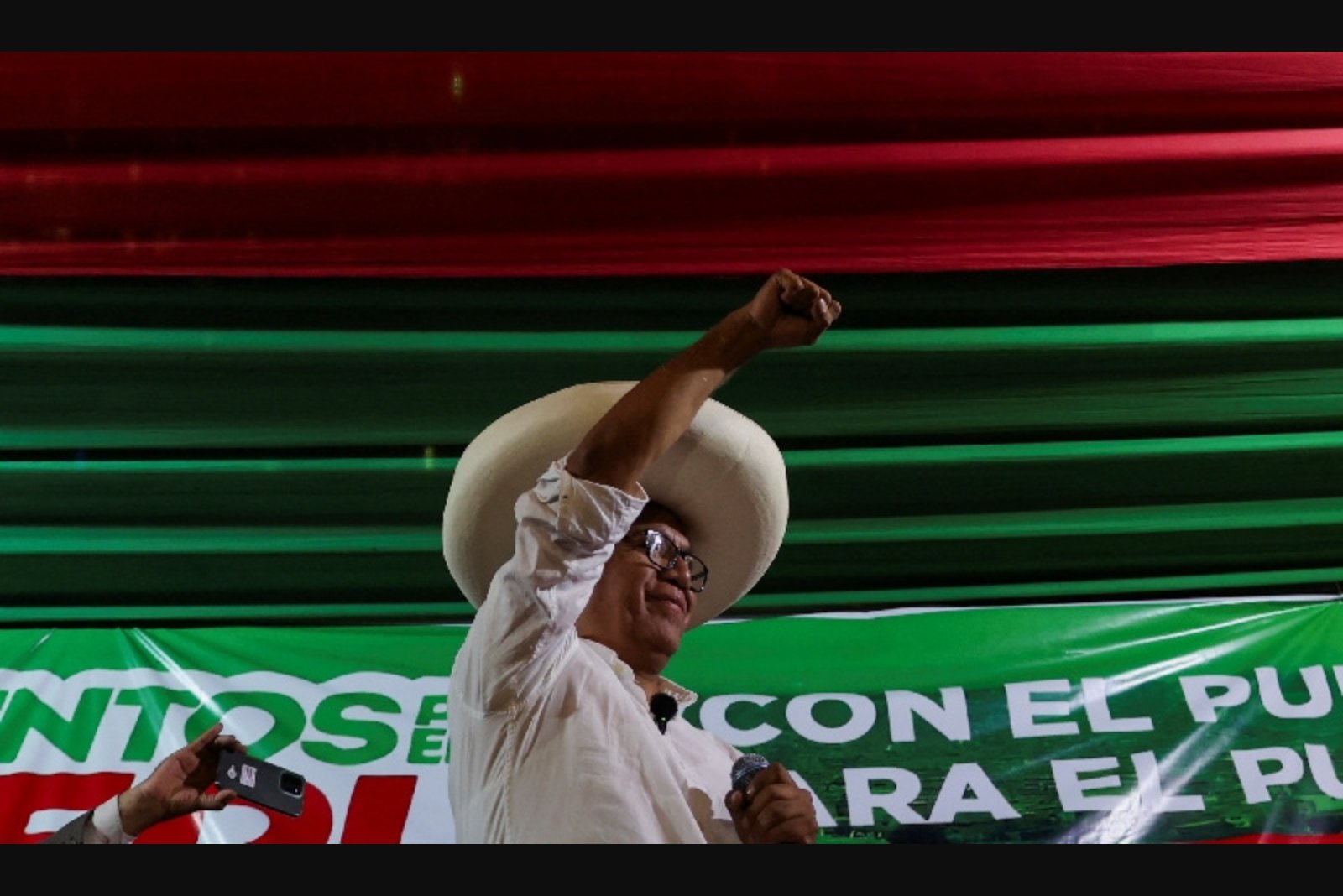
Peru's left-leaning presidential hopeful Roberto Sanchez on Monday appointed Pedro Francke, a former economy minister in the administration of ex-president Pedro Castillo, to lead the technical team that will produce his economic program ahead of the June runoff vote.
Francke, described by Sanchez's camp as a moderate economist, will spearhead development of a plan that explicitly lists a review of resource exploitation contracts, a proposed 33% rise in the national minimum wage, and measures toward redrafting the country's constitution. The nomination comes as Sanchez prepares to face conservative frontrunner Keiko Fujimori in a June 7 runoff.
Sanchez advanced to the runoff after a month-long tally of votes from the first round, a process that was delayed by logistical complications and allegations of fraud. His ascent in the polls has prompted concern among investors, who are closely watching proposals that could alter the terms and oversight of mining operations in one of the world's leading copper-producing nations.
Francke's prior public service includes a six-month tenure as economy minister in 2021 and 2022 during Castillo's short presidency. He was widely seen as instrumental in stabilizing financial sentiment during Castillo's own campaign against Fujimori. Castillo, who was jailed after a failed attempt to dissolve Congress and now faces rebellion and conspiracy charges, has publicly endorsed Sanchez from prison.
Addressing a forum on informal mining that was organized by the Swiss embassy in Lima, Sanchez said he would soon publish the full roster of technical advisers along with a "manifesto and plan" detailing actions for the first 100 days of government if elected. He emphasized his economic approach in the forum, saying:
"We need a strong, social, market-based economy, not one of oligopolies and monopolies. We are a truly popular government that wants to democratize rights, the economy, resources, and justice."
Sanchez did not confirm whether Francke would be tapped to serve as economy minister should Sanchez win the presidency. The candidate did note another member of the economic team: Oscar Dancourt, who served as director of Peru's central bank from 2001 to 2005.
The nomination of Francke, paired with the policy items highlighted by Sanchez, signals a technical approach to crafting an economic program while also foregrounding areas that have been sensitive for markets and the mining sector. Investors have been particularly focused on potential contract reviews and how they might affect operations and investment in the mining industry.
Context and outlook
The coming weeks are set to bring further clarity as Sanchez completes his technical team and publishes the 100-day plan he has promised. Until then, market participants and industry stakeholders will be monitoring the composition of the team and the specifics of the proposed measures, particularly those tied to natural resource contracts and labor costs.