
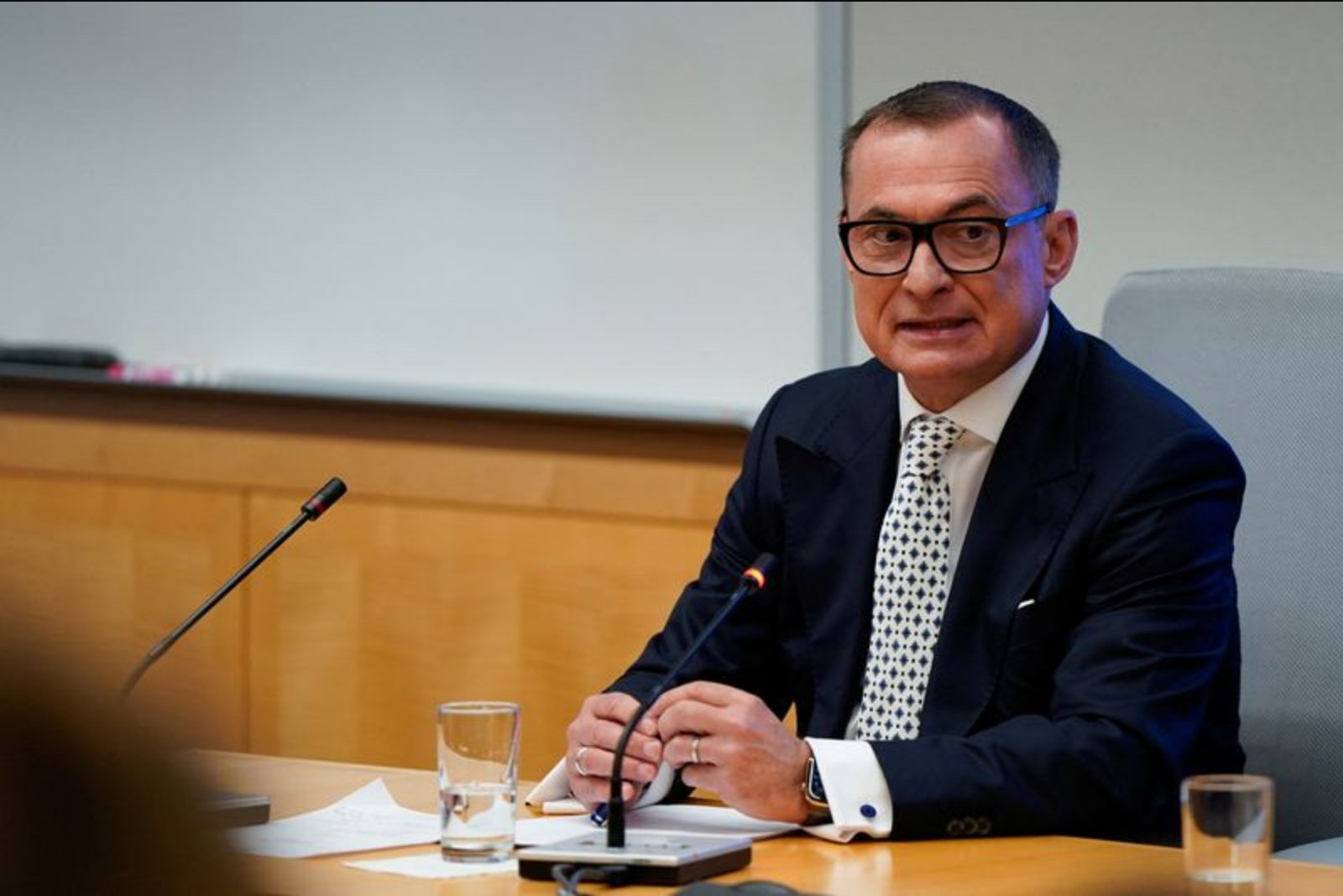
The likelihood of interest rate hikes from the European Central Bank is growing as inflationary pressures persist, according to Bundesbank President Joachim Nagel. Speaking in an interview with Handelsblatt published on Tuesday, Nagel emphasized that a fundamental change in the inflation outlook would be required to avoid further monetary tightening.
During recent discussions, the ECB examined the possibility of a rate hike, signaling that such a move could be implemented as early as June. The primary driver for this potential shift is the surge in energy prices, which has pushed inflation significantly above target levels. There is growing concern among policymakers that these high costs may soon trigger second-round impacts, potentially creating a cycle of rapid price increases.
"We cannot ignore high energy prices," Nagel stated, noting that interest rate hikes are becoming more likely if the current inflation trends do not undergo a fundamental change.
Nagel indicated a shift in the economic outlook, stating that the central bank is moving away from its previous baseline projections and toward an "adverse scenario." The distinctions between these scenarios are significant for market expectations:
- The Baseline Projection: This model expects inflation to reach a peak of 3.1% during the second quarter. This projection, which was based on market pricing at the time, already accounts for two interest rate hikes.
- The Adverse Scenario: Under this more severe outlook, inflation is projected to rise to 4.2% by the fourth quarter.
Despite these different paths, both scenarios suggest that inflation will return to or fall below target levels within the next year. However, there remains a discrepancy between central bank projections and financial markets; while the baseline assumes two hikes, market pricing currently reflects three moves.
Nagel also addressed the geopolitical dimension of inflation. He argued that even if conflict in Iran were to conclude in the near future, euro zone inflation could remain elevated for a longer period than was anticipated by policymakers only weeks ago. The complexities introduced by war include the destruction of refinery capacities, diminished inventories, and disruptions to global supply chains, all of which contribute to heightened geopolitical uncertainty.
As a potential successor to ECB President Christine Lagarde next year, Nagel underscored the importance of the central bank's core mandate. "Our mission is price stability," he remarked. He added that maintaining a medium-term inflation rate close to 2% is essential for long-term economic health and is in the best interest of all parties involved.
Key Economic Impacts
The potential for tightened monetary policy impacts several key areas:
- Capital Allocation and Interest Rates: As rate hikes become more likely, the cost of borrowing is expected to rise, influencing how capital is allocated across the euro zone.
- Inflationary Trends: The shift toward an adverse scenario suggests that inflation could be stickier than previously forecasted, impacting consumer purchasing power and producer costs.
Risks and Uncertainties
Several factors remain uncertain for the euro zone economy:
- Geopolitical Volatility: Ongoing instability and potential conflicts can disrupt supply chains and refinery capacities, keeping inflation elevated regardless of short-term peace agreements.
- Second-Round Effects: The risk that high energy prices translate into broader, more persistent price growth across the economy remains a primary concern for central bank policy decisions.